Why the UK Will Not See a General Election Following Leadership Change
Keir Starmer’s resignation does not trigger a UK general election, as the Labour party retains its five-year mandate. The governing party is expected to appoint a new leader internally, continuing its parliamentary term rather than seeking an immediate public mandate.
Highlights
- •The departure of Keir Starmer does not mandate a new general election in the UK.
- •The incumbent party maintains its five-year governing mandate regardless of internal leadership changes.
- •Past takeover prime ministers often face difficulties establishing legitimacy without a fresh electoral mandate.
- •The Labour party is currently debating the necessity of an internal contest to choose its next leader.
The departure of Keir Starmer as prime minister does not automatically trigger a general election in the United Kingdom. Despite vocal demands from various opposition figures, the constitutional framework of the British parliamentary system ensures that the governing party, which secured a five-year mandate in July 2024, remains in power regardless of leadership changes.
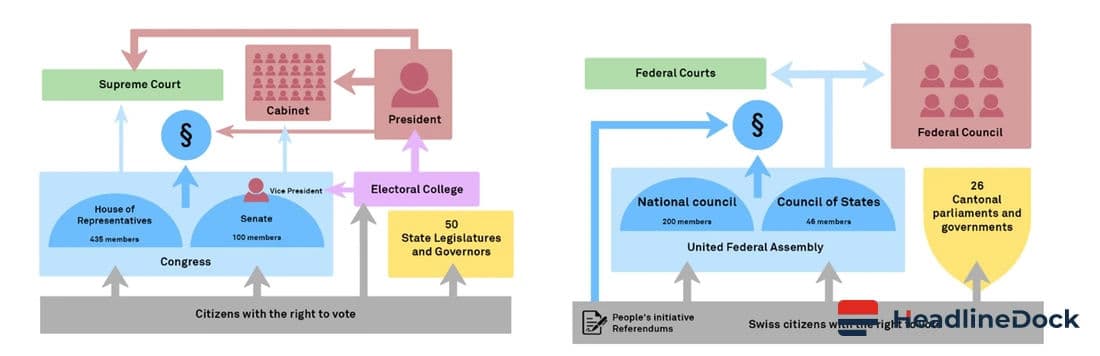
As a parliamentary democracy, the UK elects governments based on which party holds a majority of seats in the House of Commons. By established political convention, the monarch appoints the leader of the majority party as the prime minister. Consequently, the governing party retains its authority to lead the nation as long as its majority in parliament holds, even if it chooses to replace its leader mid-term.
Understanding the Mechanics of a General Election
While opposition parties frequently call for a general election whenever a leadership transition occurs within the governing party, political necessity often dictates otherwise. Current polling data suggests that, with the exception of Reform UK, few established parties would benefit from a snap vote. This political landscape makes an early election highly unlikely, as the Labour party still has three years remaining before it is constitutionally required to face the electorate.
There are two primary pathways to the premiership in the UK. The first involves being selected as an opposition leader and subsequently winning a majority in a general election, a feat achieved by Keir Starmer in 2024 when Labour claimed 411 of the 650 available seats. The second route is to become a "takeover" prime minister, where an individual is selected as the new leader of an incumbent governing party. Historical data shows that ten individuals have taken office through this method, including Rishi Sunak, who succeeded both Boris Johnson and Liz Truss.
The Future of Labour Leadership
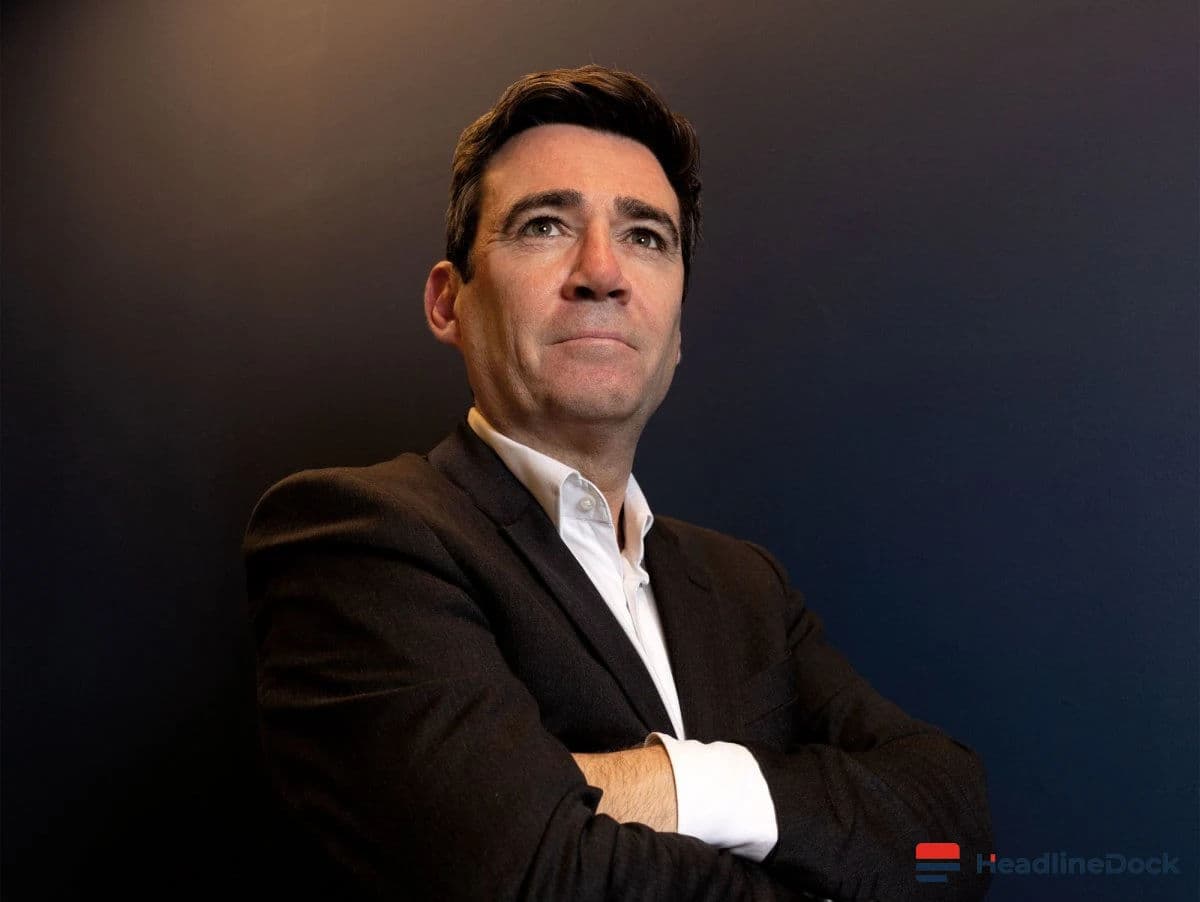
The transition process currently facing the Labour party has sparked a debate over whether an internal leadership contest is necessary. Some members favor an uncontested "coronation" of a successor, such as Andy Burnham, to avoid internal division. However, critics argue that bypassing a democratic contest could leave the party with an untested leader who lacks the legitimacy and broad support gained through a competitive vote.
The timeline for selecting the new leader has been set, with nominations opening on July 9 and closing one week later. Candidates are required to be Labour MPs and must secure the support of 81 colleagues, alongside backing from constituency parties or affiliated trade unions. While Andy Burnham appears to have the necessary support, the path remains open for others. Ultimately, the new leader will inherit significant challenges, including a difficult economic environment and high expectations from both the party and the public.