Why Iran Faces Major Hurdles in Tolling the Strait of Hormuz
Amid escalating US-Iran tensions, concerns grow over potential tolls in the Strait of Hormuz. Experts suggest that both international law and geographical realities make such a move legally invalid and practically impossible for Iran to enforce on global maritime traffic.

KEY TAKEAWAYS
1 MIN READ- Geopolitical instability has spiked near the Strait of Hormuz following new strikes between US and Iranian forces.
- Iran has signaled an intent to potentially charge tolls on international shipping, fueling global economic fears.
- Legal experts confirm that international law protects free transit, making any tolling attempt unlawful under maritime conventions.
- Geographical constraints and the sheer scale of the strait make the practical enforcement of shipping tolls nearly impossible.
Geopolitical tensions have escalated once again in the Middle East, as the United States and Iran engage in a series of direct strikes in the vicinity of the Strait of Hormuz. This recent surge in hostility follows reports of an Iranian drone attack targeting a cargo vessel attempting to navigate through this vital maritime chokepoint. Both nations have leveled accusations against one another for violating the terms of a 60-day interim peace agreement.
Since facing military actions from both the United States and Israel, Iran has repeatedly indicated its desire to maintain long-term control over the Strait of Hormuz. This has generated significant global alarm, with concerns growing that Tehran might attempt to impose mandatory tolls on the approximately 130 commercial ships that traverse this waterway every single day. However, experts argue that such an initiative is both legally untenable and logistically impractical.
Legal and Practical Hurdles for Strait Tolling
The international community remains deeply concerned by Iran's recent actions. Over the last three months, the country has reportedly engaged in hostile activities against more than 40 neutral merchant ships, leading to casualties among merchant mariners. These incidents, coupled with the deployment of sea mines and constant drone threats, have severely paralyzed commercial maritime traffic.
The anxiety is compounded by the specific language used in the recent 14-point interim peace deal. While the agreement mandated that Iran provide "best efforts" for safe passage for a 60-day period, the promise to negotiate future arrangements has left global powers wary. Under the United Nations Convention on the Law of the Sea, the Strait of Hormuz is classified as an international waterway, granting all vessels the right of transit passage that coastal states cannot lawfully suspend.
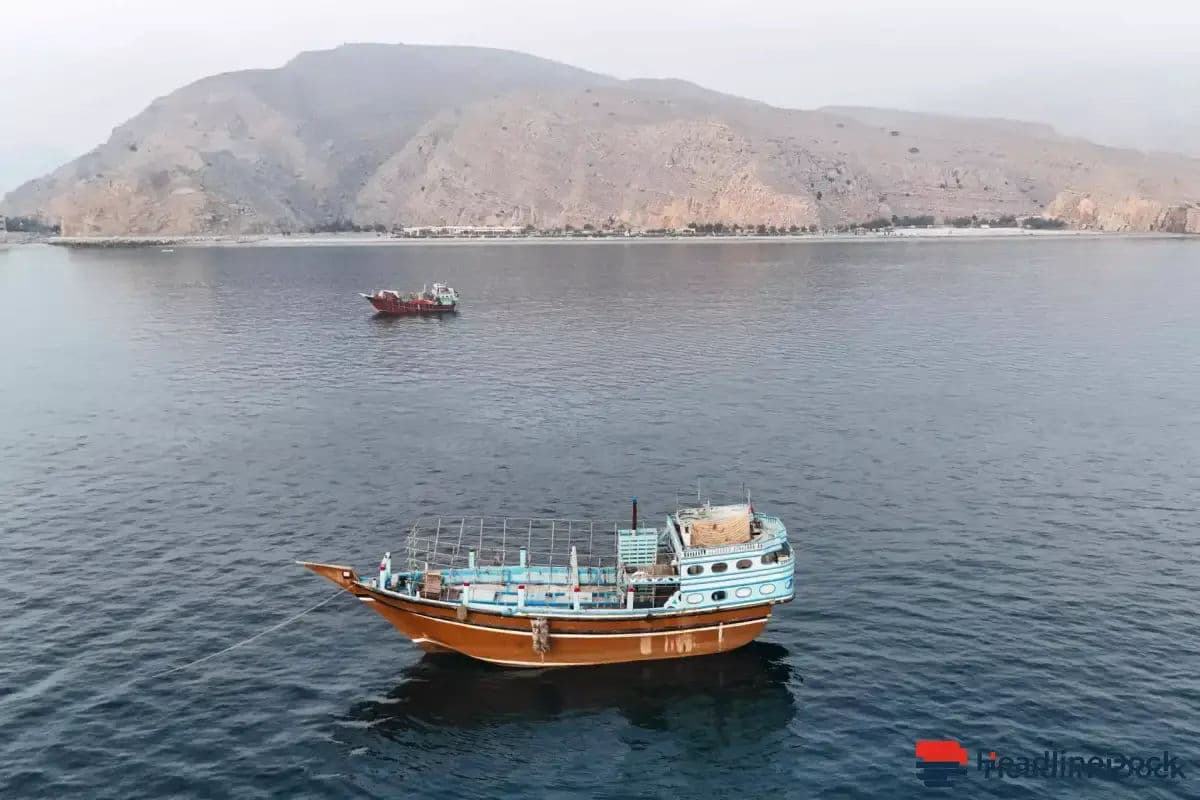
Furthermore, the Strait of Hormuz is fundamentally different from managed transit routes like the Suez Canal. Unlike the narrow, state-controlled canals that rely on a mandatory, highly regulated convoy system for their operations, this international strait spans approximately 39 kilometers at its narrowest section. Its sheer scale makes it nearly impossible for Iran to physically police, inspect, and enforce toll collections against non-compliant international vessels.
Ultimately, while Iran is leveraging its current military presence to disrupt shipping and gain bargaining power, long-term control remains unlikely. Sustaining such a policy would require constant coercion and the ongoing targeting of innocent vessels, a strategy that would almost certainly invite intense diplomatic pressure, widespread international sanctions, and harsh condemnation from global powers. Without a legal basis or a functional enforcement mechanism, successfully tolling the Strait of Hormuz remains an unrealistic objective for Tehran.