Diplomatic Controversy: Indian Envoy’s Social Media Interaction Sparks Policy Debate
A diplomatic controversy has arisen following a social media exchange between India's High Commissioner to Bangladesh and the US Ambassador to India, raising questions about diplomatic mandates, institutional protocol, and the efficacy of political appointments in regional foreign policy.
Highlights
- •A social media exchange between the Indian High Commissioner and US Ambassador sparked diplomatic debate.
- •Critics warn that the US envoy's 'South Asia' title asserts a mandate India has historically resisted.
- •The incident highlights risks associated with political appointees lacking career diplomatic training.
- •Substantive regional projects remain governed by state policy rather than personal diplomatic rapport.
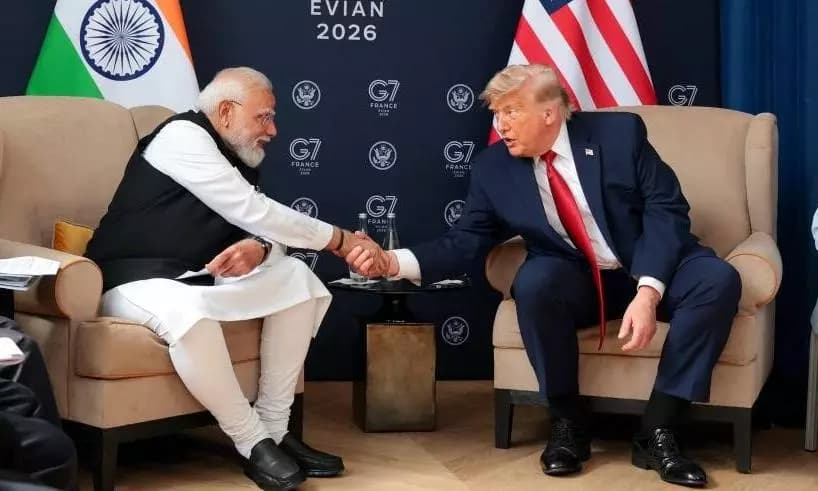
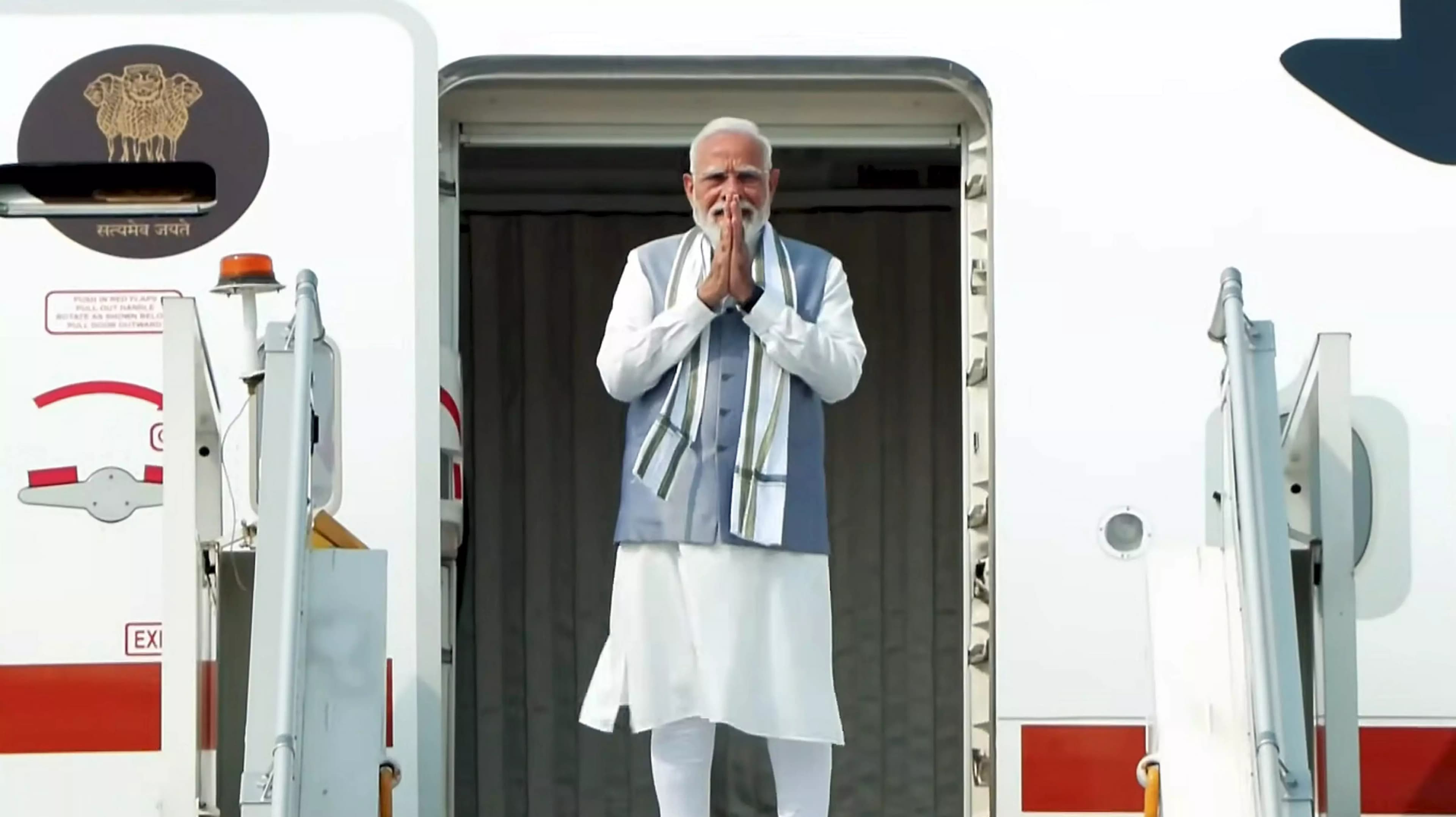
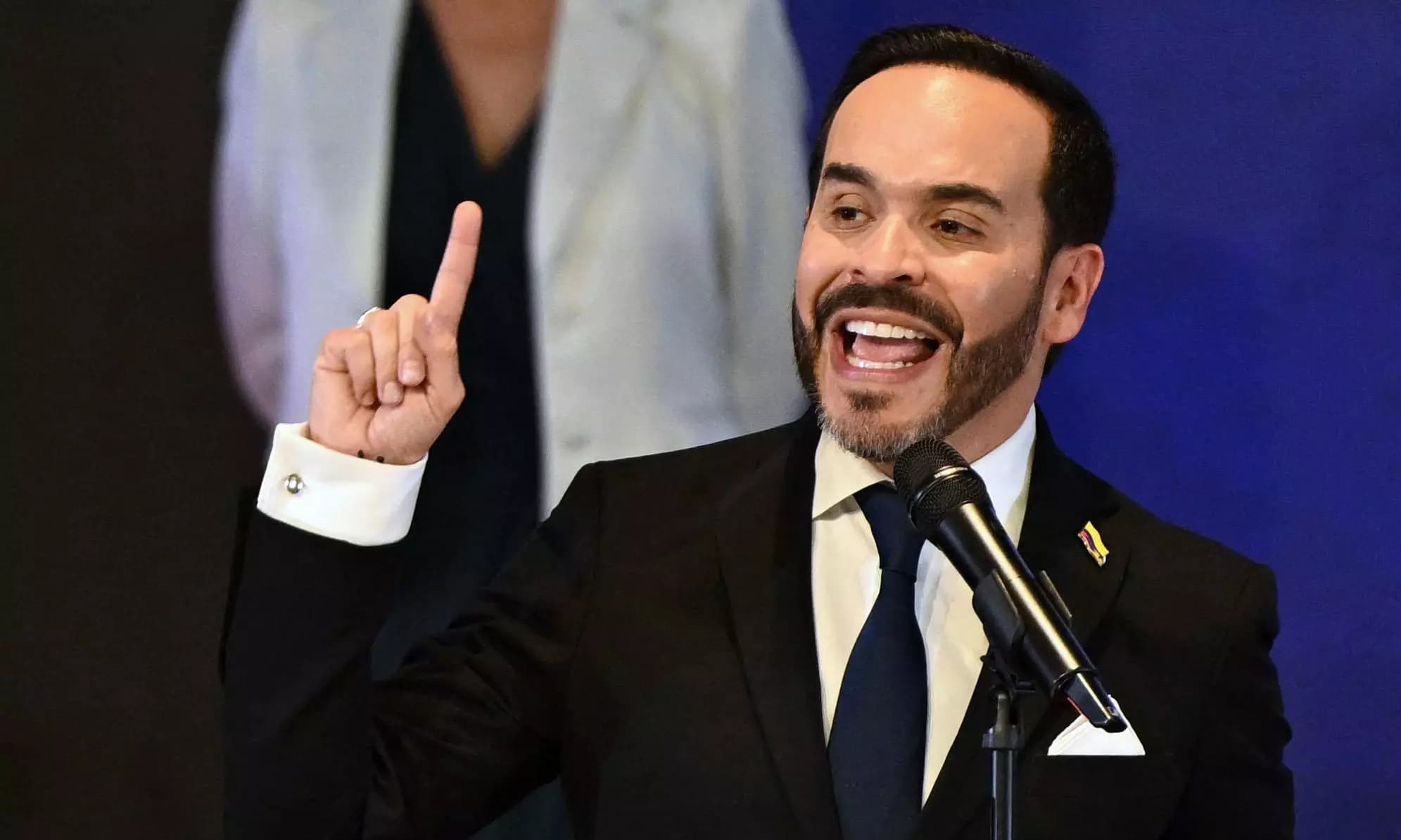
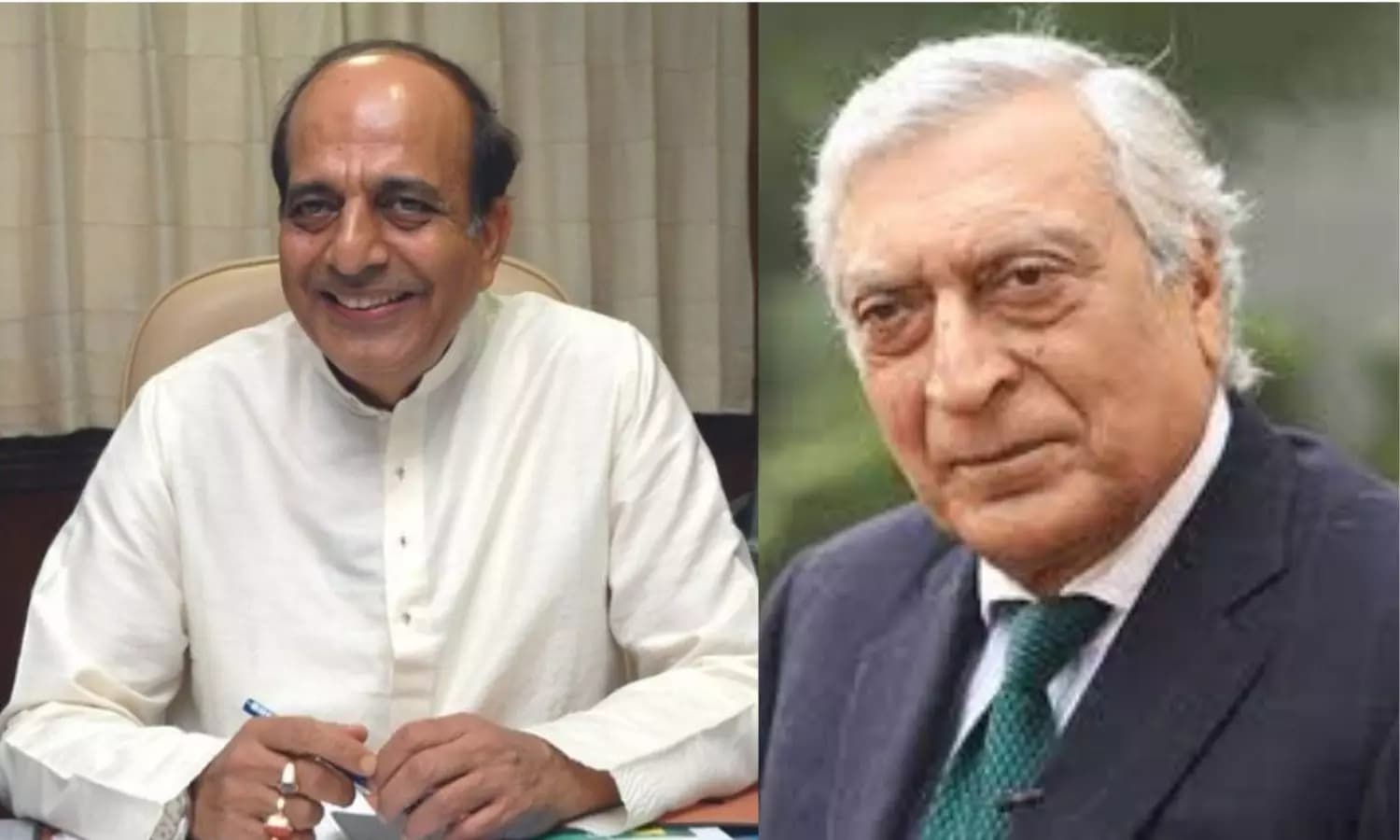
A recent diplomatic exchange involving India’s High Commissioner to Bangladesh, Dinesh Trivedi, has ignited a significant debate regarding foreign policy mandates and institutional protocol. The controversy emerged after Trivedi received a social media message from US Ambassador to India Sergio Gor, who offered warm wishes upon the commissioner's arrival in Dhaka. In his post, Gor expressed an interest in working closely with Trivedi, citing his dual role as both the US Ambassador to India and the US Special Envoy for South and Central Asia.
Diplomatic Protocol and the Scope of Authority
The core of the issue lies in the US envoy’s dual title, a designation that the Indian government has previously viewed with skepticism. Critics, including former foreign secretary Kanwal Sibal, pointed out that for matters concerning regional neighbors, the primary line of communication should remain through New Delhi. Sibal argued that by reaching out directly in his capacity as a South Asian envoy, Gor was asserting an expansive mandate that could blur the lines of bilateral diplomacy.
While Trivedi responded with customary courtesy, the interaction was perceived by seasoned observers as an inadvertent validation of a disputed title. Comparisons have been drawn to the 2009 Holbrooke mandate for Afghanistan and Pakistan, which India had actively resisted to prevent external interference in regional affairs. The current administration has largely remained silent on the matter, choosing not to issue a formal rebuttal.
The Challenges of Political Appointments
The episode has prompted a broader discussion on the merits of appointing retired politicians to sensitive diplomatic postings. While such appointments are not unprecedented in Indian history, they often lack the technical depth and institutional memory inherent to career diplomats. Career officers are typically trained to navigate the sensitivities of neighboring relationships, avoiding actions that might trigger regional anxieties or perceived infringements on sovereignty.
Furthermore, the incident highlights a practical reality: social media coordination cannot replace the structured, long-term processes required for regional cooperation. Projects such as the Mongla Port modernization or river-management agreements are dictated by sovereign choices and complex regional politics, not by personal rapport between envoys. As India navigates its regional partnerships, the debate over whether career diplomats or political appointees are better suited to safeguard national interests remains a pivotal issue. The situation serves as a reminder that in international relations, even polite gestures can inadvertently touch upon deep-seated concerns regarding mandates and institutional autonomy.