Lebanon, Israel, and US Sign Trilateral Framework Agreement in Washington for Peace
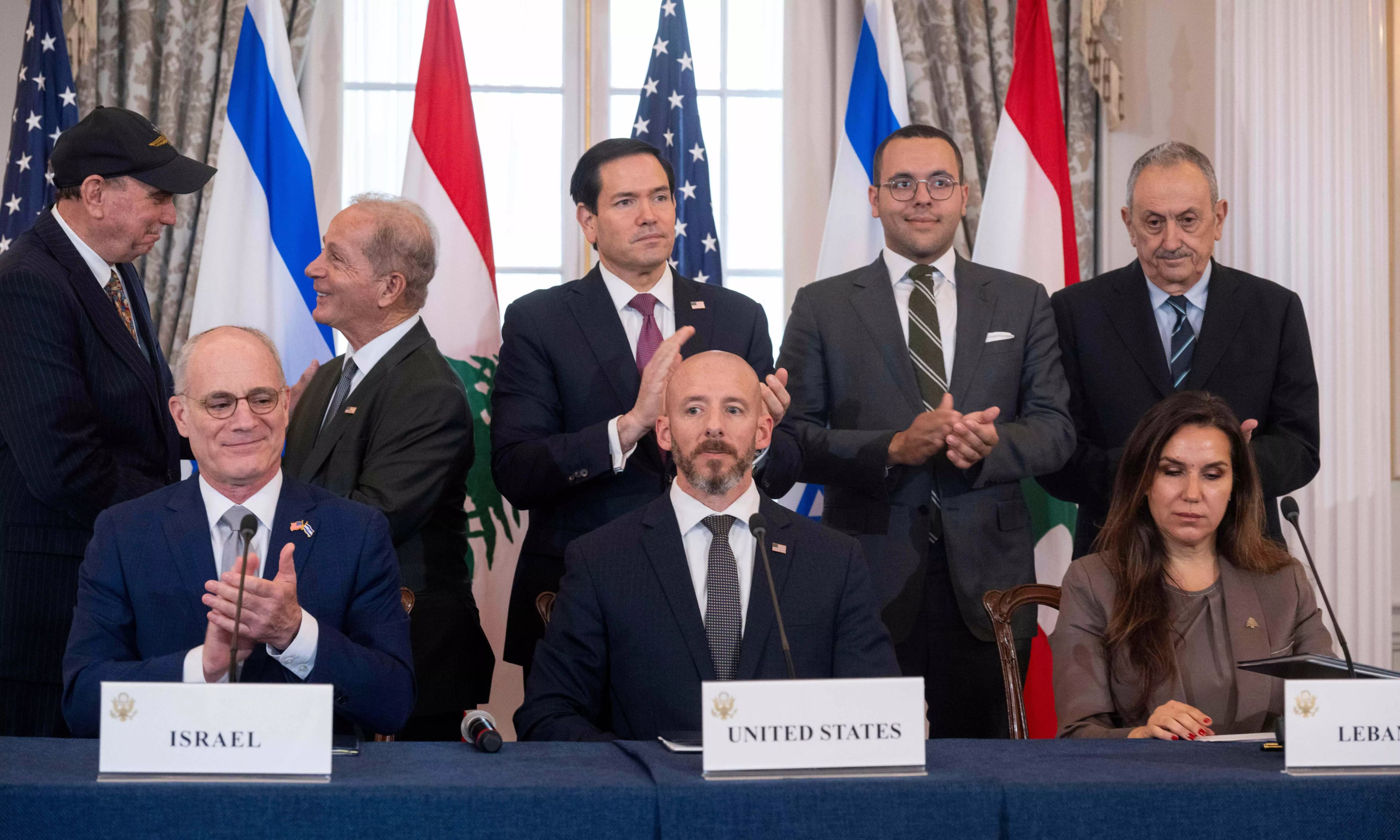
Lebanon, Israel, and the United States have signed a trilateral framework agreement in Washington aimed at establishing long-term peace. The deal seeks to end decades of hostility and recent intense fighting, focusing on restoring Lebanese sovereignty and securing a permanent ceasefire between the two adversaries.
Highlights
- •Lebanon, Israel, and the US signed a trilateral framework agreement in Washington to work toward peace.
- •The agreement seeks to end decades of hostilities and recent intense fighting in southern Lebanon.
- •The deal follows significant conflict that resulted in over 4,200 deaths in Lebanon since early March.
- •Officials from the involved nations state the accord aims to restore sovereignty and minimize external militant influence.
In a significant diplomatic move aimed at de-escalating tensions in the Middle East, Lebanon, Israel, and the United States have officially signed a trilateral framework agreement in Washington. This development represents a critical effort to establish a path toward peace and security, addressing decades of hostility that have frequently erupted into open conflict in the region.
The formal signing ceremony follows five rounds of intensive negotiations held in the American capital. These talks were primarily focused on resolving the prolonged fighting that intensified significantly following events on March 2. During that period, Hezbollah initiated rocket fire into Israel, a response to the death of Iranian supreme leader Ayatollah Ali Khamenei, who was killed in strikes involving both United States and Israeli military forces.
Building a Foundation for Lasting Regional Peace
The impact of this conflict has been severe, with reports indicating that Israeli air strikes and a subsequent ground invasion resulted in the deaths of more than 4,200 people in Lebanon. The newly signed trilateral framework agreement is viewed as a necessary starting point to transition from military confrontation to a diplomatic solution. While specific details of the accord remain undisclosed, it is designed to restore sovereignty and territorial integrity to Lebanon.
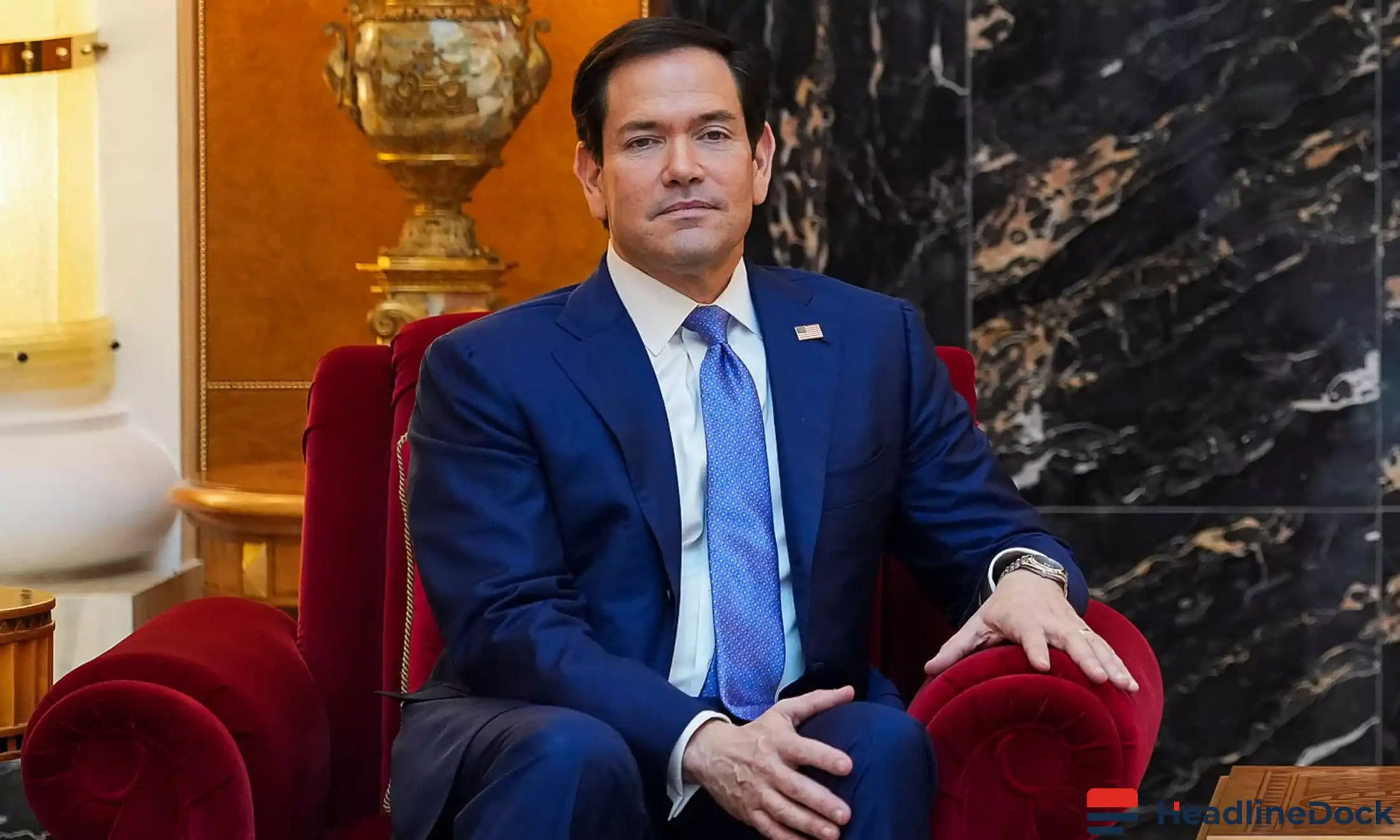
United States Secretary of State Marco Rubio highlighted the importance of the deal during the ceremony, noting that it establishes a structure to foster lasting security. Lebanon's representative in Washington, Ambassador Nada Hamadeh Moawad, characterized the agreement as a vital step toward a final cessation of hostilities, which would allow displaced populations to safely return to their lands.
The Israeli envoy to the United States, Yechiel Leiter, underscored the geopolitical shift that the framework aims to achieve. According to Leiter, the agreement effectively sidelines Hezbollah and minimizes Iranian influence in the current hostilities, thereby opening a viable channel for peace between the two neighboring nations.
Previous attempts to secure stability, including a truce announced on April 17 that followed initial direct talks, failed to halt the violence. The current push for a ceasefire gained momentum earlier this month, driven by Tehran's insistence that any broader agreement with Washington regarding the conflict initiated in late February must incorporate a resolution regarding Lebanon. This trilateral commitment now serves as the latest attempt to achieve a permanent end to the fighting and stabilize the volatile borders of the region.