US Seeks Diplomatic Agreement with Iran While Protecting Gulf Security Interests
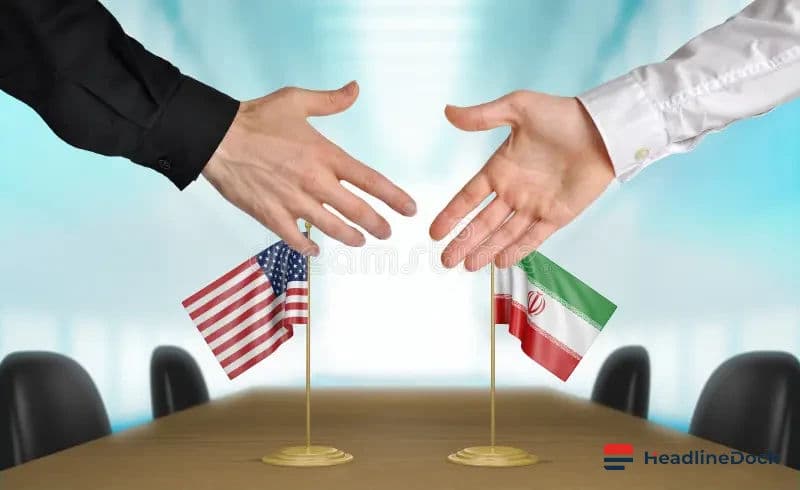
The United States is negotiating a potential deal with Iran to stabilize the region, but warns it will not accept terms that jeopardize Gulf security or freedom of navigation in the Strait of Hormuz. Technical talks are expected to resume shortly to resolve ongoing tensions.
Highlights
- •Marco Rubio confirms the US seeks a deal with Iran but will not compromise partner security.
- •The US rejects Iran's plan to impose maritime service fees in the Strait of Hormuz.
- •Technical negotiations are scheduled to resume following an initial round in Switzerland.
- •The US Congress is reviewing an $88 billion request to cover costs associated with the conflict.
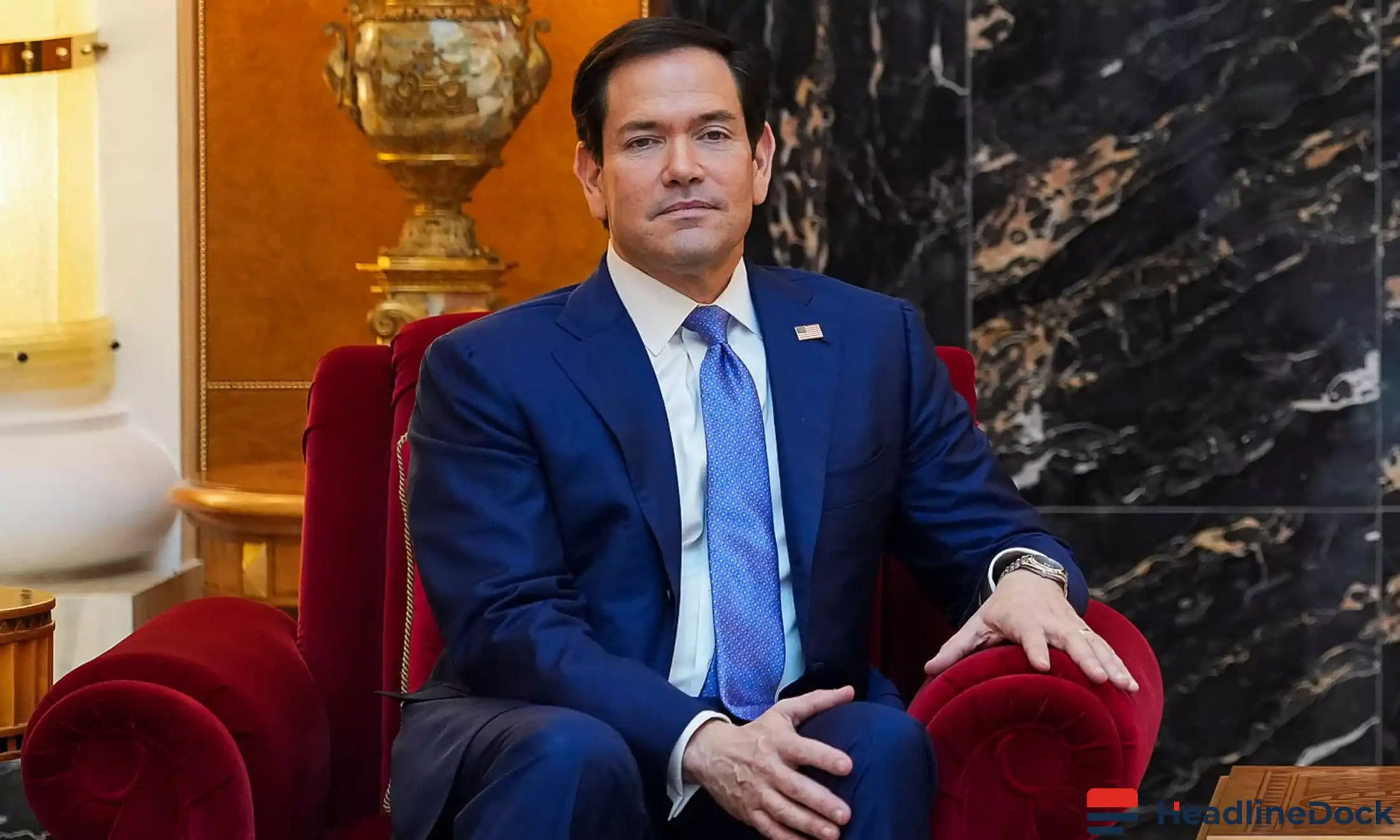
The United States is actively pursuing a diplomatic agreement with Iran to formalize an end to the current conflict, yet officials have emphasized that such a resolution will not be reached at any cost. Top American diplomat Marco Rubio delivered this message during a regional tour, aiming to reassure Gulf allies that their security, stability, and prosperity remain paramount and will not be undermined by any potential deal.
The ongoing conflict, which began on February 28 following a large-scale joint US-Israeli military campaign, has necessitated complex negotiations. These discussions are expected to cover contentious topics, including Tehran's nuclear program, the lifting of economic sanctions, and the regulation of global energy flows through the critical Strait of Hormuz. While a preliminary agreement to halt the fighting has already been signed, the long-term details remain subject to intense diplomatic scrutiny.
Ensuring Stability in the Strait of Hormuz
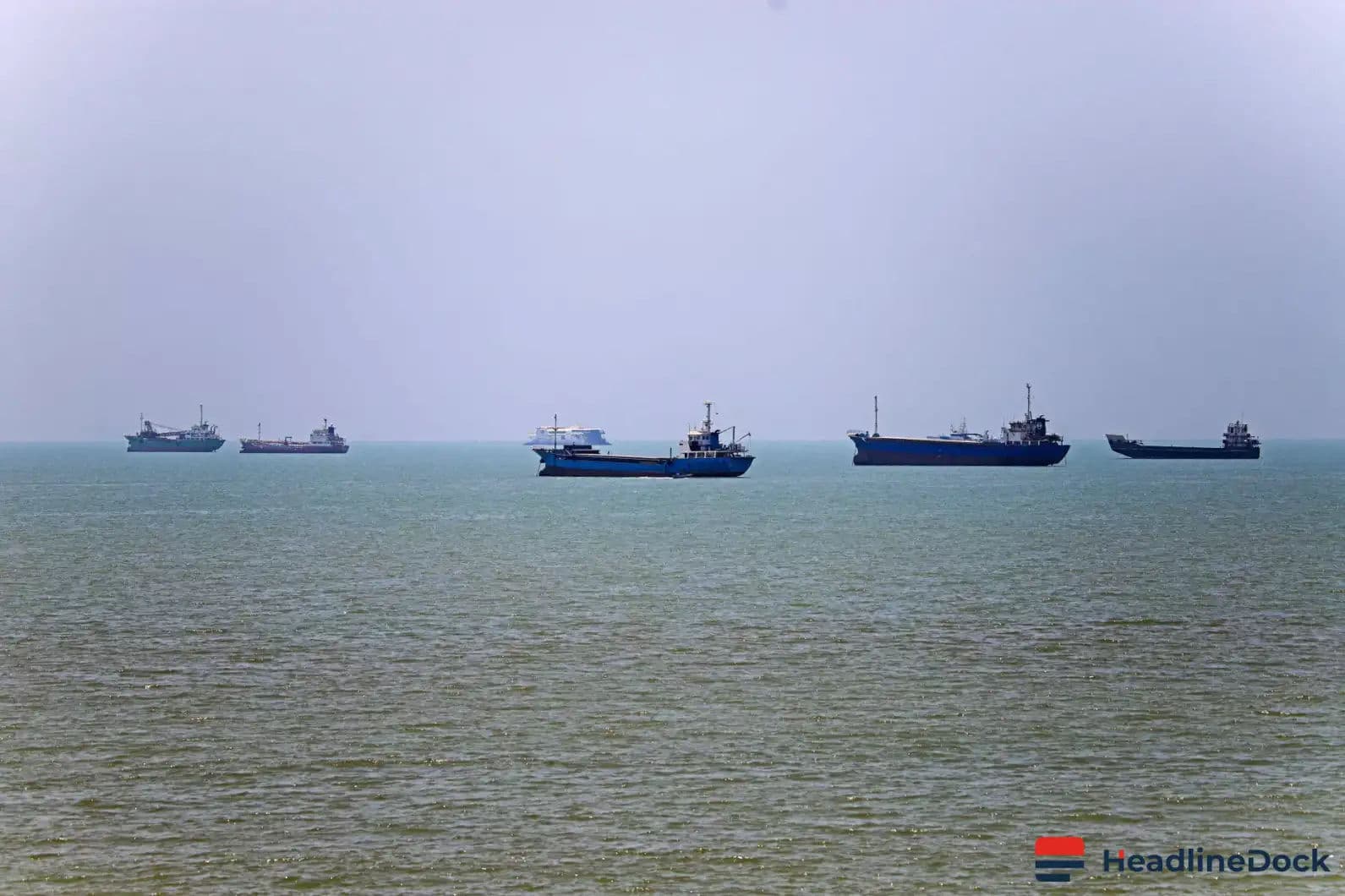
A primary concern for energy-exporting nations in the Gulf region is the status of the Strait of Hormuz. The United States has firmly rejected Iran’s recent proposal to implement maritime service fees or tolls for vessels transiting the strait. Marco Rubio reiterated the official position of Washington, asserting that the strait must be maintained as an international waterway, a foundational principle for global economic stability.
During the period of heightened hostilities, Iran blocked the Strait of Hormuz as a retaliatory measure, causing significant global economic disruption. Although Tehran has threatened to penalize unauthorized crossings, the United States and its partners insist that the chokepoint remains free for commercial shipping. Oman has recently coordinated with the International Maritime Organisation to establish a new, safe shipping corridor, highlighting the ongoing international efforts to ensure energy security.
Meanwhile, President Donald Trump has expressed confidence in the progression of these negotiations. The administration is currently managing significant financial requirements, having requested nearly $88 billion from Congress to address war-related expenditures. As technical discussions between US and Iranian representatives prepare to resume in the coming days, diplomatic efforts are also underway in Saudi Arabia to facilitate broader reconciliation talks between Gulf states and Iran. The path to a lasting peace remains fragile, as international stakeholders work to balance national security interests with the essential need for regional stability and freedom of navigation.