Navigating India-China Relations: Determining the Future of Strategic Ties and Diplomacy
The evolving dynamics of India-China relations remain cautious as both nations balance bilateral trust and strategic interests. While China seeks accelerated engagement, India maintains a deliberate approach, emphasizing that border issues are central to the future normalization of diplomatic and economic ties.
In the complex sphere of international relations, India-China relations remain a delicate subject requiring careful deliberation. Diplomatic discourse often dictates that engagements between these two nations are characteristically protracted, with action proceeding at a more measured pace than is common with other global powers. The ongoing efforts to normalize ties, following the significant tensions surrounding the Eastern Ladakh standoff, represent a challenging and evolving process.
Evaluating the Pace of Diplomatic Engagement
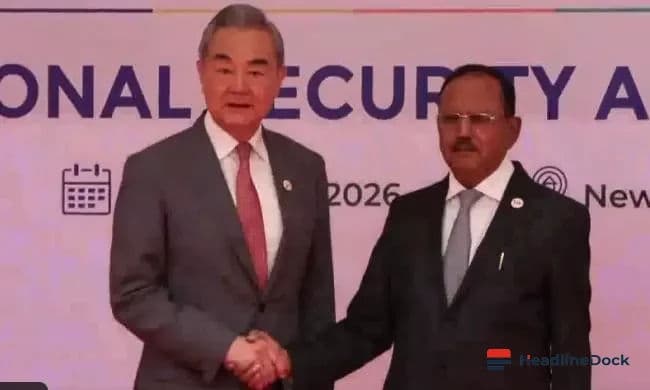
Recent interactions, particularly the discussion between India’s National Security Advisor Ajit Doval and China’s Wang Yi held prior to the BRICS NSA meeting in New Delhi, have highlighted a divergence in expectations. There appears to be a clear sense of urgency from the Chinese side, which is keen to accelerate the resumption of dialogue mechanisms and promote broader exchanges across various sectors. This follows a period of reduced border tensions after the interaction between Prime Minister Narendra Modi and President Xi Jinping in August of the previous year.
However, India continues to maintain a more cautious and deliberate approach, reflecting an enduring trust deficit. While China often seeks to link various aspects of bilateral ties, India has consistently emphasized that the border situation must be addressed in an appropriate manner, suggesting that progress in trade, investment, and media exchanges should not be held hostage to the complexities of the boundary dispute.
Shifting Perspectives on Bilateral Cooperation
The messaging following high-level meetings has also underscored this gap in intentions. Chinese readouts have been notably positive, emphasizing the necessity for both nations to move forward and characterizing them as partners rather than rivals. Wang Yi has specifically advocated for guiding societal perceptions to build a solid foundation for improved relations. Conversely, the Indian perspective has been expressed in more formal and balanced terms, indicating that the path to full normalization of India-China relations is still very much a work in progress.
In an optimal scenario, both nations could leverage their status as major economies to foster development and advocate for the Global South on international platforms. Yet, practical challenges, including those related to supply chains, rare earths, and mineral resources, remain significant points of contention. Bridging the trust deficit is essential for any meaningful long-term partnership. Future high-level engagements, such as potential meetings during the upcoming BRICS summit, will be crucial in determining whether the two nations can align their objectives and effectively cooperate on a larger global stage.
,curated_key_highlights:[