Trump Condemns Iran Vessel Attack Amid Rising Tensions in Strait of Hormuz
US forces conducted retaliatory strikes against Iranian facilities after a commercial vessel was targeted in the Strait of Hormuz. President Trump condemned the aggression, while Iranian officials urged regional neighbors to reduce dependence on US security, heightening tensions over critical global maritime trade routes.
Highlights
- •Donald Trump condemned an Iranian attack on a commercial vessel in the Strait of Hormuz.
- •US Central Command launched retaliatory strikes on Iranian missile and drone facilities.
- •The Singapore-flagged M/V Ever Lovely was targeted by an attack drone on June 25.
- •An Iranian official warned Gulf states against relying on US regional military presence.
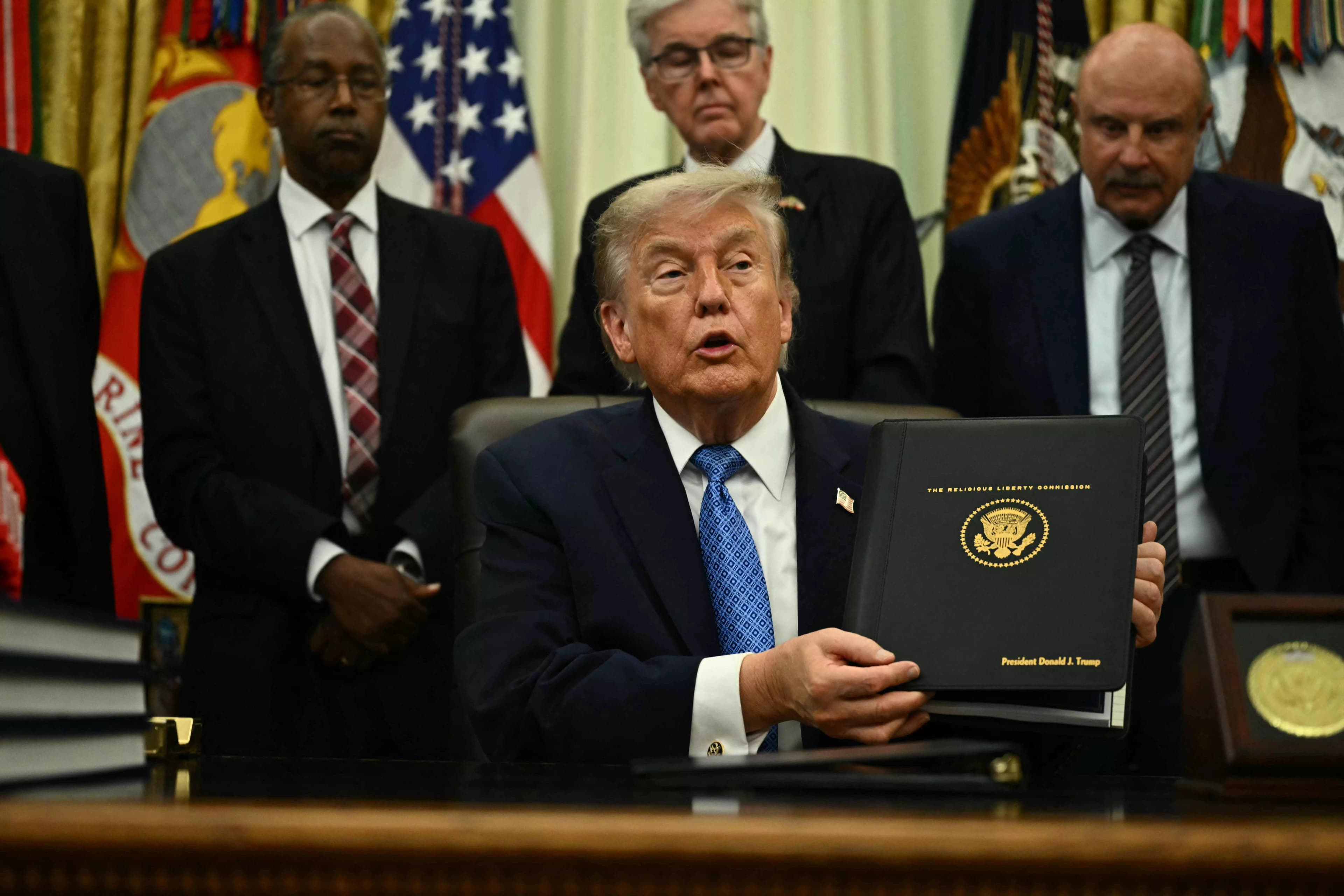
United States leadership has issued a stern response following a tense encounter in the Strait of Hormuz. On Friday, Donald Trump addressed reports of an Iran vessel attack, declaring that such actions are unacceptable. These developments follow a series of aggressive maneuvers in one of the world's most critical maritime trade arteries, raising concerns about the stability of the ceasefire agreement in the region.
Escalating Tensions in the Strait of Hormuz
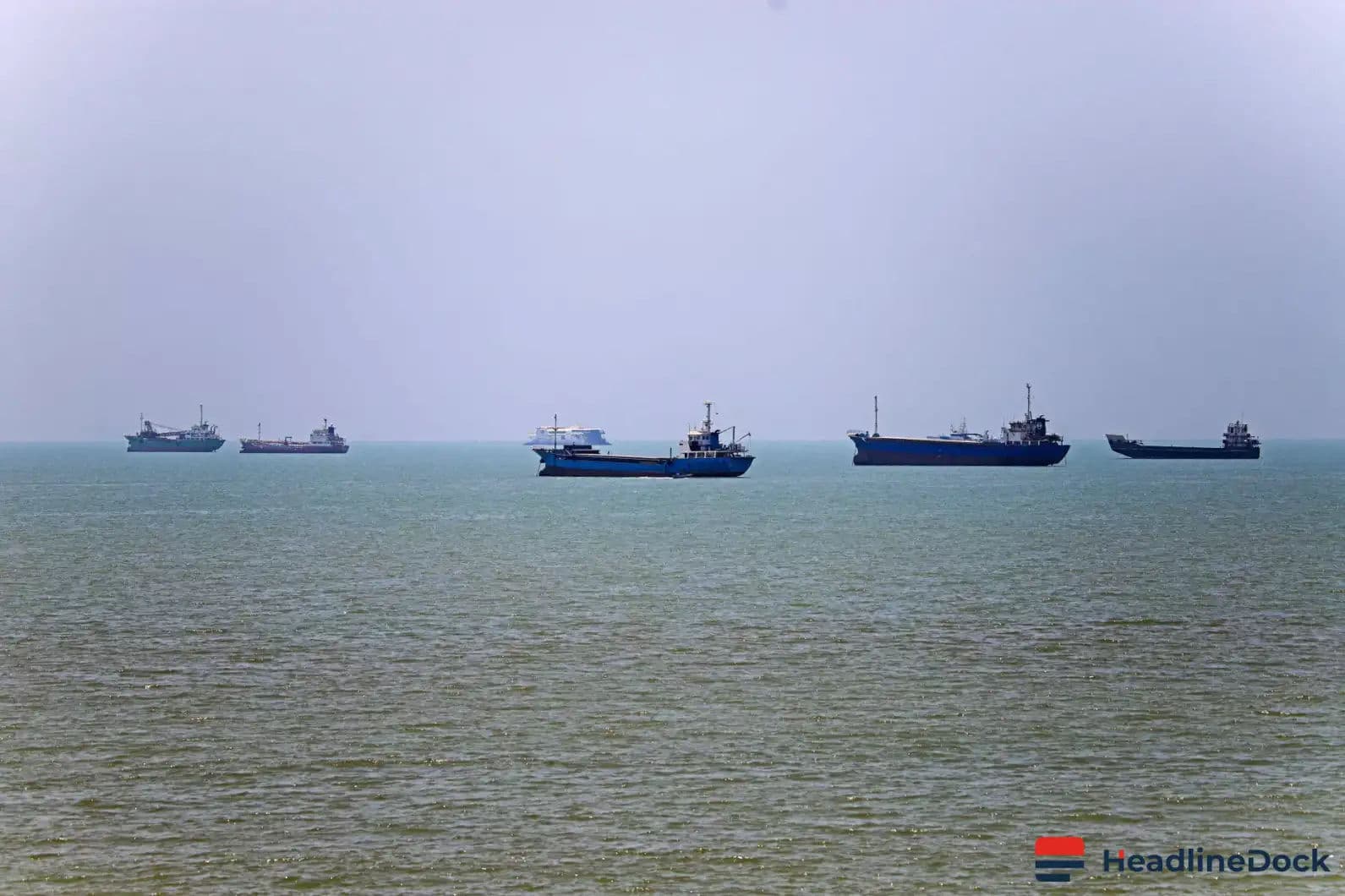
According to reports, the incident involved Iran launching four shots toward a target, with three successfully intercepted. A United States vessel involved in the transit reportedly sustained minor damage during the event. The United States military, through CENTCOM, confirmed that it conducted precision strikes against Iranian military infrastructure on June 26. These retaliatory measures targeted missile and drone storage facilities, as well as coastal radar sites, following the alleged strike on the Singapore-flagged cargo ship M/V Ever Lovely.
The attack on the M/V Ever Lovely, which occurred on June 25 while the vessel was navigating off the Omani coast, involved a one-way attack drone. United States officials have characterized the Iran vessel attack as a clear violation of existing ceasefire protocols. Beyond the immediate physical damage, the United States military emphasized that such hostile actions undermine the freedom of navigation, which is essential for global commerce and the security of trade routes traversing the Strait of Hormuz.
Regional Security and Political Responses
The situation has prompted broader political reactions within the region. Ebrahim Azizi, a representative in Iran's Islamic Consultative Assembly, issued a sharp warning to member nations of the Gulf Cooperation Council. He advised regional leaders against deepening their reliance on the United States for security architecture. In a public statement shared on social media, he argued that foreign military bases have become a significant source of insecurity rather than stability.
Furthermore, the Iranian official underscored that the nation's missile and drone capabilities, combined with its strategic positioning in the Strait of Hormuz, are considered non-negotiable red lines. He urged neighbors to decrease their military and political ties with Washington to facilitate long-term regional security. Meanwhile, the United States continues to coordinate the safe transit of merchant vessels, maintaining a high level of vigilance to ensure that the terms of the ceasefire agreement are strictly upheld by all involved parties. As the situation develops, international observers remain focused on the potential for further military engagement or diplomatic intervention in these contested waters.