When Driving Licenses Were Worn: A Century of History in Hyderabad
A rare century-old metal badge discovered in Hyderabad reveals that driving licenses in the 1920s were once worn on the body as official permits. These brass artifacts, issued under the Nizam's administration, highlight unique early transport regulations and police oversight.
Highlights
- •A century-old brass driving license badge from Hyderabad has been identified as a historical artifact from the Nizam era.
- •The badge was designed to be worn on the arm or waist, acting as an official permit for vehicle operators.
- •It features the license number 1163 and the Fasli year 1330, which corresponds to the year 1920.
- •The artifact provides insight into early 20th-century police oversight of motor vehicle traffic in the region.
A fascinating discovery from Hyderabad offers a unique glimpse into the early days of automotive history. Long before modern, paper-based permits were introduced, authorities in the erstwhile Hyderabad State utilized distinct metal badges as official driving licenses. These historical artifacts serve as a tangible connection to the administrative practices enforced during the Nizam administration.
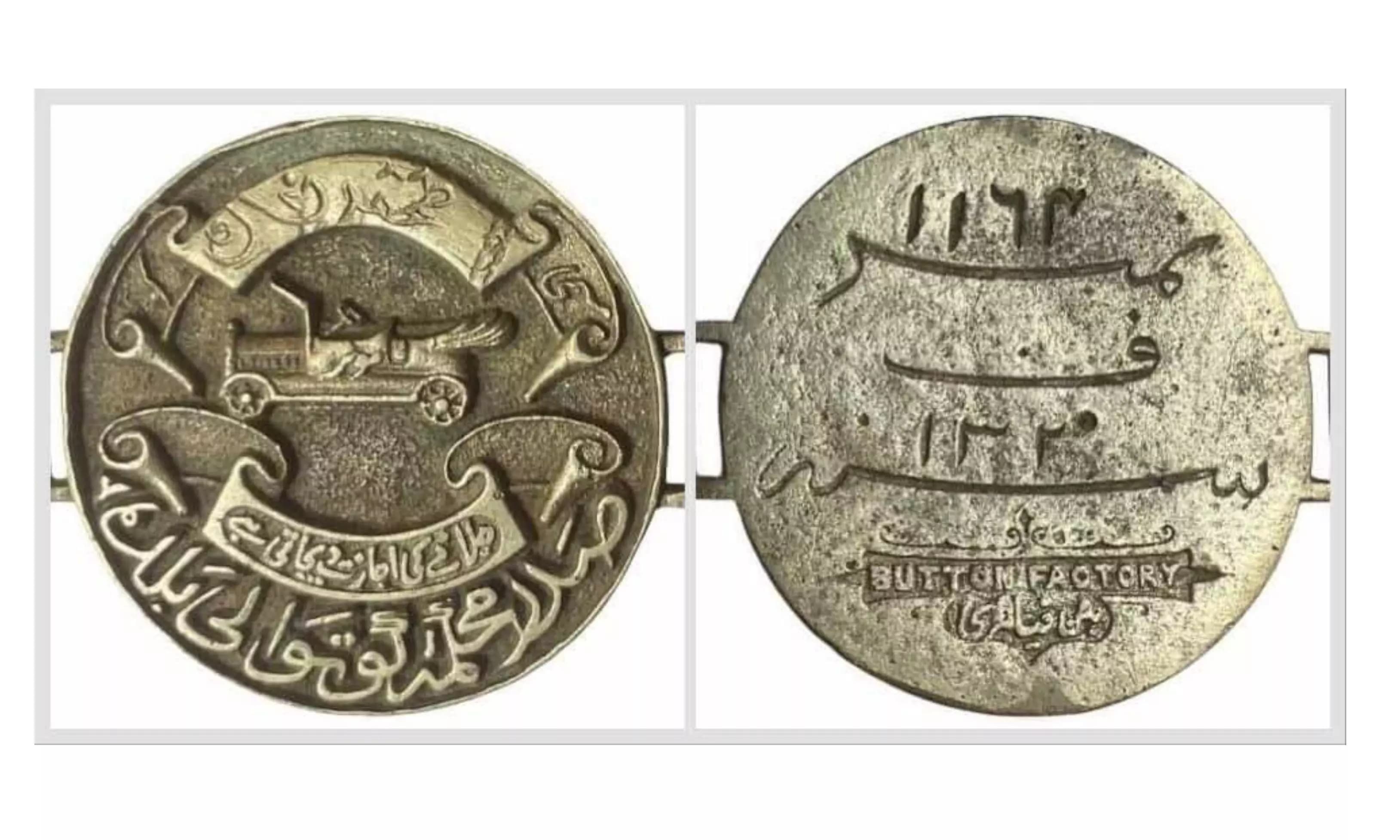
This century-old historical item, which is currently part of the collection curated by Warangal-based numismatist Ragi Vaikunthachari, sheds light on the transportation regulations of the era. The circular badge, crafted from brass or bronze, was designed with hooks on both sides. This practical feature allowed the driving license to be worn on the wearer’s arm or waist, ensuring it remained visible as a mark of official authorization for operating two-wheelers, four-wheelers, or transport vehicles.
Historical Significance of the Nizam-era Driving Licenses
On the reverse side of the badge, the words Button Factory are clearly stamped in English, with corresponding details also inscribed in Urdu. The top of the badge features the engraved driving license number, 1163, alongside the Fasli year 1330. In the English calendar, the Fasli year 1330 corresponds to 1920, placing the origin of this unique permit approximately a century ago.
According to Ragi Vaikunthachari, the Urdu inscriptions on the metallic permit translate to Sadar Muhakma Kotwali Balda, referring to the headquarters of the Hyderabad City Kotwali, or the City Police Commissionerate. The text explicitly states that the bearer, identified as Muhammad Khan, was granted official permission to operate a motor vehicle. These markings confirm that during the nascent stages of motor vehicle adoption in the region, the responsibility for issuing and regulating driving permissions fell under the purview of the Kotwali police department.
The discovery of such artifacts provides researchers and the public with a clearer understanding of how law and order were maintained as automotive technology began to emerge. By preserving these rare items, historians like Ragi Vaikunthachari ensure that the administrative evolution of the Hyderabad State is documented for future generations. This badge stands as a testament to a time when travel permits were not tucked into a wallet, but proudly worn as a badge of office on the person.