Inside the Telegram Ban: Understanding the Conflict Over Exam Integrity in India
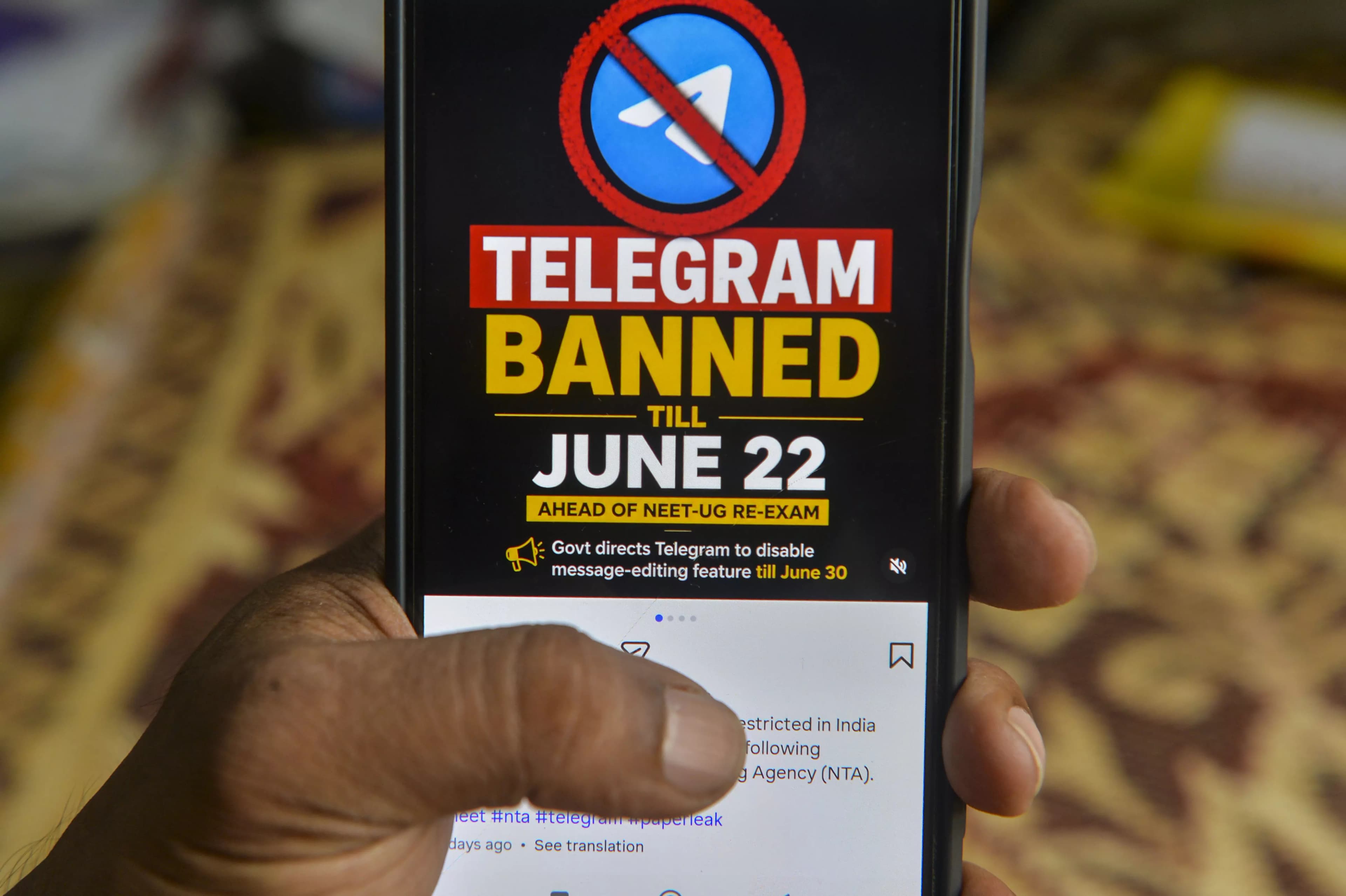
The Indian government has temporarily banned Telegram, citing its failure to curb the spread of leaked NEET medical entrance exam papers. The platform is currently challenging this decision in court, defending its content moderation practices and free speech rights.
Highlights
- •India temporarily banned Telegram over concerns regarding leaked NEET entrance exam papers.
- •The government alleged the platform failed to take action against illicit exam-related channels.
- •Telegram is fighting the ban in the Delhi High Court, citing free speech concerns.
- •The company disputes the government’s account of their meetings regarding content moderation processes.
A significant confrontation has emerged between the Indian government and the popular messaging platform Telegram, leading to a temporary nationwide ban of the application. This regulatory action, which has sparked a major debate over digital governance, followed intense private discussions regarding the alleged proliferation of compromised national examination papers on the platform. The government, exercising emergency powers, blocked access to the app until June 22, citing urgent concerns over the integrity of the NEET medical entrance examination.
Strained Relations and the Telegram Ban
The decision to block Telegram came after a fortnight of unsuccessful negotiations between the IT Ministry and the company. Government officials consistently highlighted that channels appearing to facilitate the distribution of leaked NEET question papers were not being sufficiently moderated. These specific groups, which claimed to offer full test materials for a fee, were flagged by authorities as inherently suspicious. In response, the messaging giant expressed surprise at the government’s claims of inaction, maintaining that it strictly prohibits the misuse of its services for any illicit trade or fraudulent activities.
The situation escalated significantly following a meeting on June 3, where representatives from Telegram and Indian officials disagreed over the official record of the discussion. Documents indicate that while the government asserted the company admitted limitations in identifying subjective content—such as exam leaks—as opposed to more objective issues like child exploitation, Telegram strongly refuted this interpretation. The platform argued that its systems do not lack proactive measures, but rather that certain content types necessitate more intensive manual moderation efforts.
The Legal Challenge to Government Restrictions
Currently, Telegram is challenging the administrative ban in the Delhi High Court, contending that the move violates constitutional protections and fundamental free speech rights. Founder Pavel Durov has publicly criticized the government’s approach, characterizing the ban as a mistake that unfairly penalizes millions of legitimate users while potentially driving illicit activities toward other, less regulated platforms. The company further criticized the official minutes of the June 3 meeting as a one-sided and inaccurate account that deliberately omitted its proactive compliance processes.
This development represents the latest in a series of high-profile clashes between the Modi government and international technology firms operating within the country. As Telegram remains a primary communications tool for its massive user base in the region, the outcome of this legal battle will likely set a critical precedent for how digital messaging platforms manage content moderation and interact with state authorities regarding public security and exam integrity.