Public Outcry in Visakhapatnam Over GO No. 363 Liquor Policy Expansion
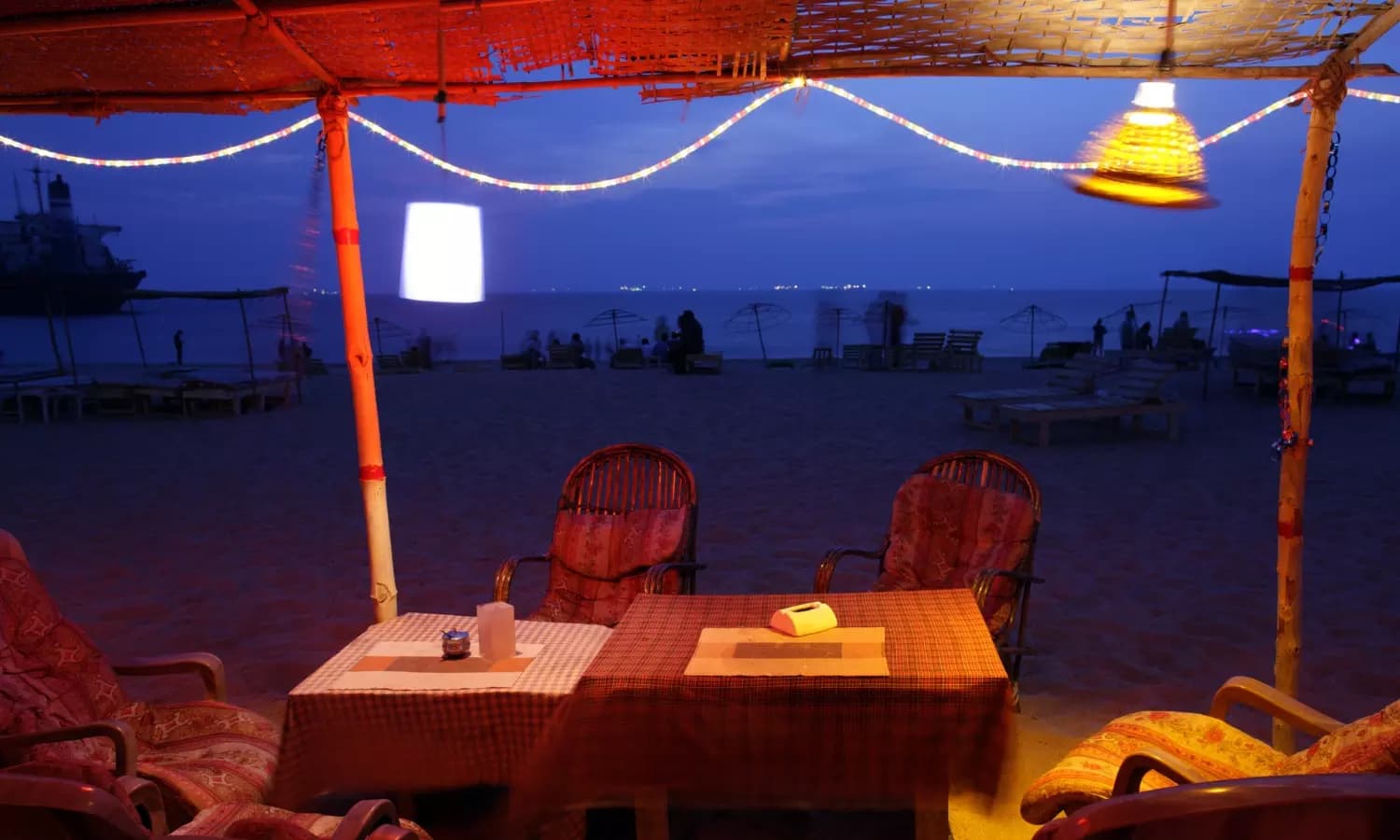
The Visakhapatnam government faces a significant backlash over GO No. 363, which permits liquor sales at beach shacks. Activists and local associations argue the policy threatens marine health, women's safety, and the city's cultural integrity, demanding an immediate withdrawal of the order.
Highlights
- •The Andhra Pradesh government faces intense backlash over GO No. 363, which allows liquor sales at beach shacks.
- •Fishermen's associations and activists warn of risks to women's safety and increased public order issues in Visakhapatnam.
- •Environmentalists express concern over marine contamination and the impact of alcohol-related waste on the Bay of Bengal.
- •The newly formed Save Vizag campaign calls for the cancellation of the policy and promotion of eco-friendly tourism instead.
The picturesque coastline of Visakhapatnam is currently embroiled in a significant public debate following the local administration's decision to permit the sale of liquor at beach shacks under the provisions of GO No. 363. This policy shift has triggered a wave of resistance from various community segments, including fishermen’s associations, environmental advocates, and women's rights organizations. Critics express deep apprehension that this initiative may compromise public safety and threaten the fragile marine ecosystem of the region.
Concerns Over GO No. 363 and Public Safety
Vasupalli Janakiram, who serves as the state honorary president of the national fishermen association, has voiced strong disapproval of the new regulations. He cautions that such a model could transform Visakhapatnam into a destination defined by alcohol-centric tourism, similar to other coastal hubs. A primary concern for local groups is the potential degradation of public spaces, specifically regarding the safety of women and families. There is a palpable fear that the presence of liquor shacks could lead to an increase in incidents involving intoxication, including potential disruptions to law and order and an uptick in cases of drunken driving.
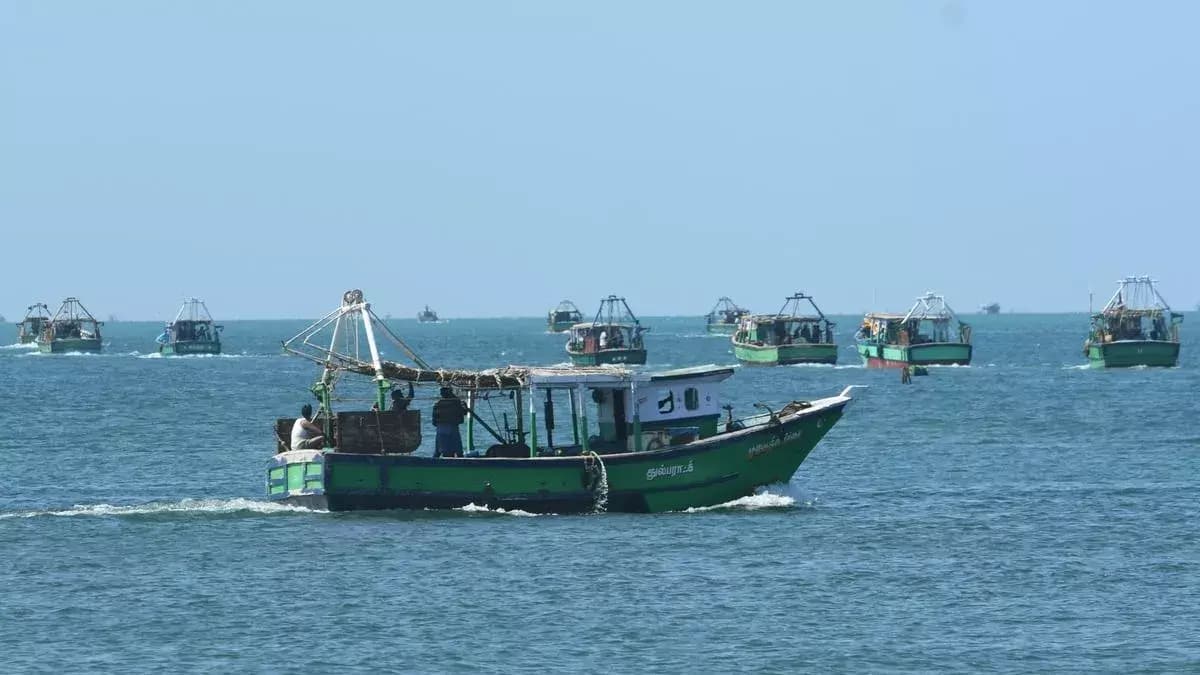
Environmental preservation remains a core pillar of the opposition to GO No. 363. Janakiram referenced research from Andhra University and various European institutions which highlights the critical state of plastic pollution in the Bay of Bengal. He asserts that legalizing alcohol sales on the beach will inevitably exacerbate marine contamination. This, in turn, poses a direct threat to biodiversity and the local fishing economy, which sustains many livelihoods in the city. Rather than focusing on liquor-based tourism, these advocacy groups are urging the state to invest in essential infrastructure, such as improved sewage treatment facilities and the development of sustainable, eco-friendly tourism projects.
The \"Save Vizag\" Movement Gains Momentum
The ongoing protests have coalesced into the \"Save Vizag\" campaign, a movement centered on the slogan, \"Save Vizag – Our Vizag, We Will Protect It.\" This initiative aims to rally public sentiment against the current policy through social media outreach, public gatherings, and educational programs. The campaign's proponents are calling for the total revocation of GO No. 363. Instead, they advocate for a broader vision of tourism that emphasizes the cultural and natural heritage of the region. The group highlights the immense potential of destinations like Araku Valley, Lambasingi, Borra Caves, and the Simhachalam Temple. By shifting the focus toward spiritual, heritage, and ecotourism, they believe Visakhapatnam can thrive without compromising the dignity and safety of its residents and visitors. The unified front of civil society organizations continues to emphasize that the city’s development should prioritize the welfare of its people above all else.