Villages Join Forces to Revive Closed Government Schools in Nalgonda
Nalgonda district is reviving its education sector by reopening hundreds of closed government schools. Through community support, tax incentives from local sarpanches, and 'Badi Baata' campaigns, authorities have already reopened 50 schools, aiming to restore access to quality, free education for local students.
Highlights
- •Authorities in Nalgonda are working to reopen 315 government schools that closed last academic year.
- •District officials have successfully reopened 50 schools so far, with a target to reach 100 this year.
- •Local sarpanches are providing financial incentives like tax waivers to encourage enrollment in government schools.
- •The Gattuppal Government Primary School has become a successful example with 171 students enrolled.
Authorities in the Nalgonda district have launched a concerted effort to breathe new life into local government schools, leveraging support from community leaders and local bodies. This initiative seeks to address a significant decline in educational infrastructure, following a period where hundreds of institutions ceased operations.
During the previous academic year, Nalgonda recorded one of the highest numbers of school closures in the country, with 315 institutions shutting down, including 300 primary schools. Recognizing the urgency of the situation, District Collector B. Chandrasekhar instructed education department officials to prioritize the reactivation of these closed facilities. As part of this strategy, the district is conducting 'Badi Baata' campaigns across affected areas to encourage student enrollment and has held detailed reviews with mandal education officers.
Community-Driven Initiatives Boosting Government Schools
The campaign has already yielded tangible results, with 50 government schools successfully reopened for the current academic year, attracting new student admissions. District Education Officer P. Susheender Rao stated that the administration is working toward an ambitious target of reopening at least 100 schools throughout the year. Teachers are actively engaging with families to emphasize the value of free, quality education offered by these institutions.
Local body representatives have played a pivotal role in this transformation. In the Nampally mandal, Mantipalli Manimala, the sarpanch of Mallapurajupalli, announced a waiver of property and water taxes for households that enroll their children in the village's government school. A resolution to this effect was passed by the gram sabha, with the sarpanch offering to cover costs personally if needed.
Other regions are adopting similar proactive strategies to support government schools. In Namapuram village, located in Marriguda mandal, the gram panchayat has resolved to prohibit private school buses from entering the village, as confirmed by Sarpanch Beemanapalli Ramaiah. Furthermore, in the neighboring Yadadri-Bhongir district, Raayakala Santhosha Srinivas, the sarpanch of Tajopur, pledged to pay property taxes from her own salary for families opting for government education.
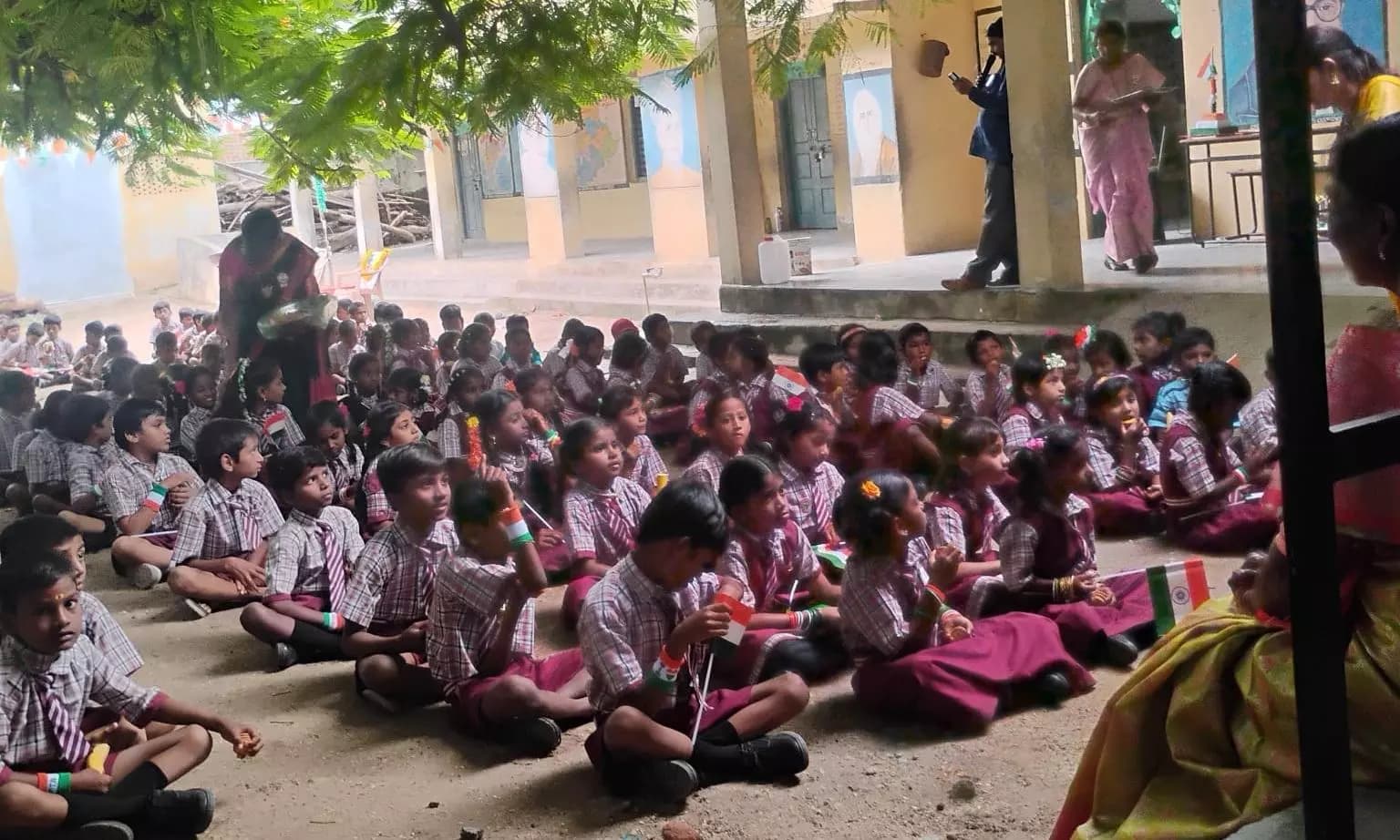
These collective efforts are already showing success on the ground. For instance, the Government Primary School in Gattuppal, Nalgonda, has achieved an enrollment of 171 students, maintaining an average of over 30 children per class. This serves as a model for sustainability amid a landscape previously marked by closures due to low attendance. The district administration remains committed to a phased reopening of all remaining institutions.