Combating Domestic Abuse: Why Education is Vital for Secondary Schools
New educational initiatives are being piloted in West Yorkshire secondary schools to dismantle harmful myths surrounding domestic abuse. By providing students with critical knowledge on coercive control and healthy relationships, the program aims to foster societal change and improve support for young victims.
Highlights
- •Persistent myths about domestic abuse, including victim-blaming, hinder essential support systems for those affected.
- •Research indicates that young people aged 16 to 19 are particularly vulnerable, yet schools lack sufficient guidance to help them identify abusive patterns.
- •A new, evidence-based educational program is being piloted in West Yorkshire secondary schools to challenge stereotypes and promote healthy relationship awareness.
- •The curriculum covers critical topics such as coercive control, financial abuse, digital harassment, and emotional manipulation through age-appropriate, interactive lessons.
Persistent myths surrounding domestic abuse continue to hinder societal progress and silence victims who are in dire need of intervention. Misguided beliefs, such as questioning why a victim remains in an abusive relationship or establishing hierarchies where physical violence is prioritized over emotional or coercive control, remain deeply embedded within society. These stereotypes, which dictate how victims should act and what perpetrators look like, urgently need to be challenged through comprehensive domestic abuse education.
Research conducted in West Yorkshire indicates that these harmful narratives are firmly rooted within key institutions, including the legal system, social services, and law enforcement. Breaking down these misconceptions is essential to ensuring that affected individuals receive the necessary support. Alarmingly, young people between the ages of 16 and 19 are among the groups most significantly impacted by such abuse, yet current educational frameworks often fail to equip students with the tools to identify or effectively respond to toxic relationships.
Improving Domestic Abuse Education in Secondary Schools
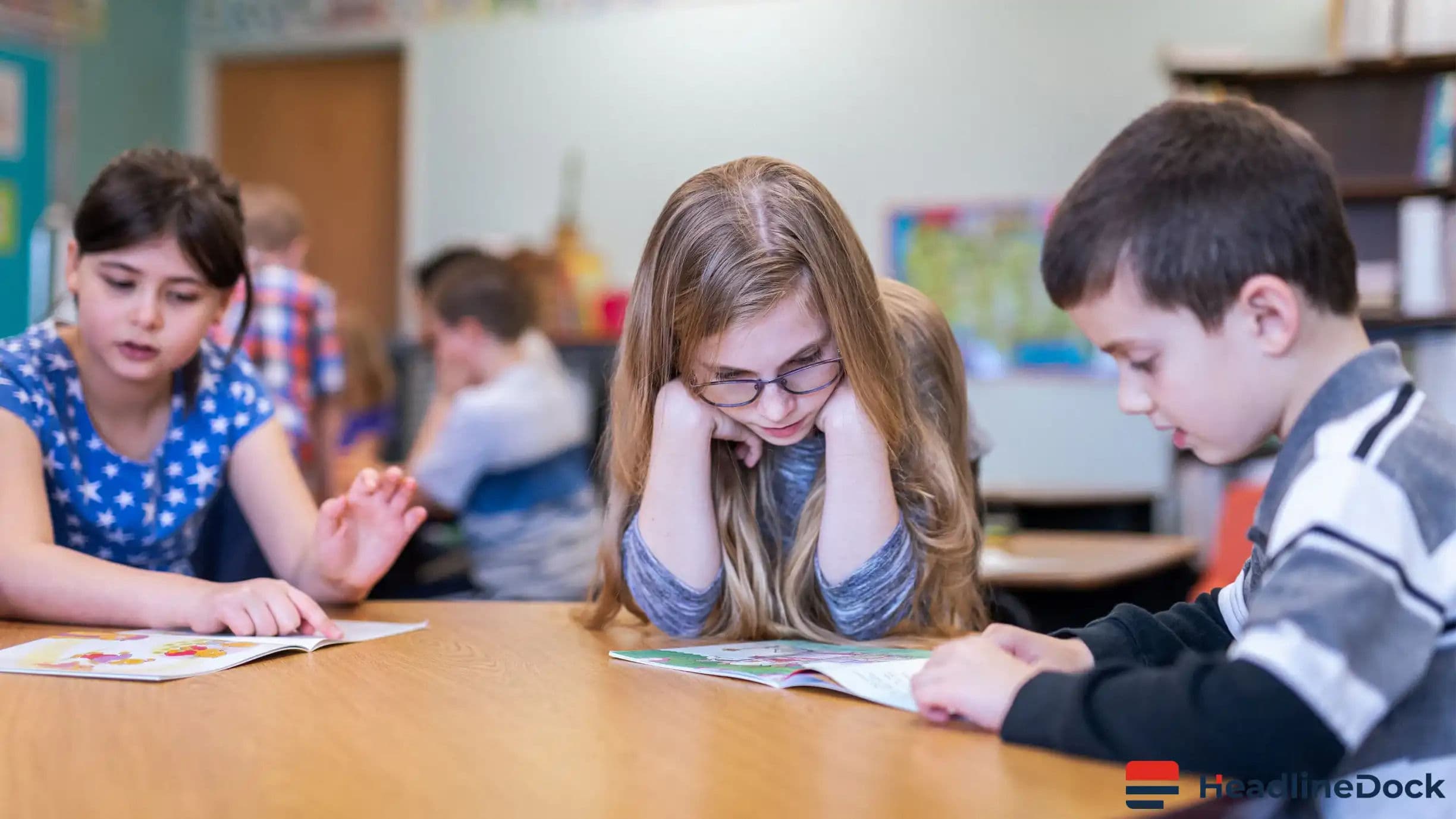
Harassment and the normalization of problematic behaviors are widespread issues in schools. Findings from Ofsted suggest that approximately nine in ten girls have encountered some form of sexist name-calling or unsolicited sexual imagery, underscoring the critical need for domestic abuse awareness programs in secondary education. Although government strategies and statutory guidance released between July and December 2025 acknowledge the importance of teaching relationship dynamics, they have been criticized for lacking the detailed roadmaps required for practical, progressive classroom implementation.
To address this gap, a specialized educational program has been developed, grounded in rigorous research and created through partnerships with entities such as the West Yorkshire Police, Leeds City Council, and local educational institutions. The initiative aims to reframe how the topic is taught by replacing stereotypical narratives with critical discussion. This program, which is being piloted throughout West Yorkshire, features age-appropriate content, including an animation that explores various scenarios of abuse, from coercive control and financial exploitation to digital harassment and emotional manipulation.
By tailoring lessons for different year groups, the curriculum ensures that students can identify signs of abuse and understand the dynamics behind closed doors. The overarching objective is to provide a proactive mechanism that helps both teachers and students recognize, prevent, and respond to abusive behaviors. This effort aligns with broader government commitments to ensure that children are effectively taught to tackle unhealthy views, misogyny, and harmful ideas within their formative years, ultimately fostering long-term societal change regarding the perception of domestic abuse.