Book Review: Unveiling the Bureaucratic and Social Journey of Kerala
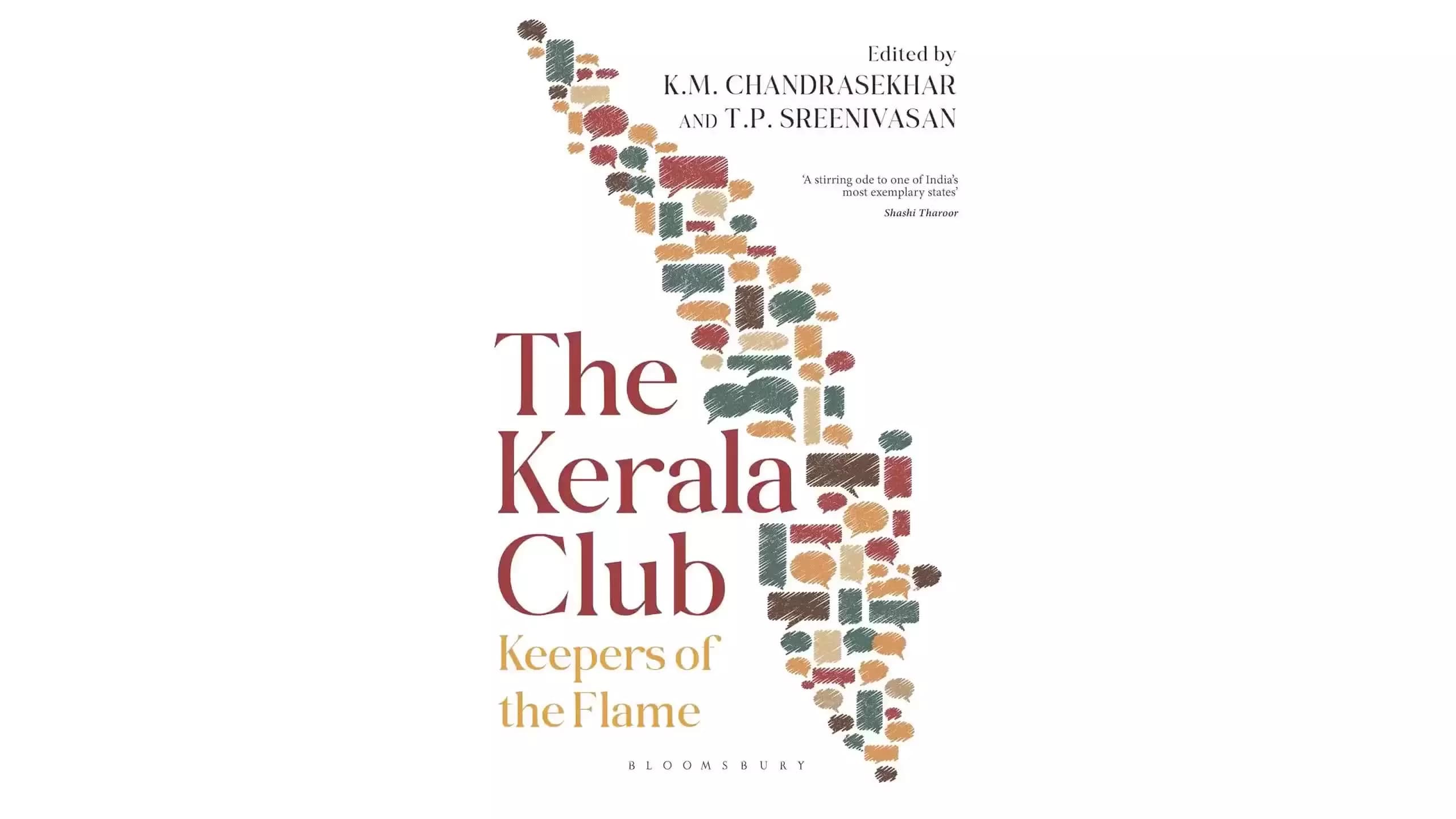
This book review examines 'The Kerala Club,' edited by K.M. Chandrasekhar and T.P. Sreenivasan. The volume offers a comprehensive look at Kerala's unique socio-political evolution, focusing on the roles of bureaucracy, public policy, and the challenges of balancing social progress with economic growth.
Highlights
- •The book 'The Kerala Club' offers a critical look at the state's socio-political history.
- •Edited by K.M. Chandrasekhar and T.P. Sreenivasan, the work reflects the insights of experienced bureaucrats.
- •It examines the impact of land reforms, democracy, and economic shifts on modern Kerala.
- •The narrative blends professional analysis with personal reflections on the state's social progress.
The intricate tapestry of Kerala, often celebrated as 'God’s Own Country,' is the subject of a deep and reflective examination in the recently published book, The Kerala Club — Keepers of the Flame. Edited by K.M. Chandrasekhar and T.P. Sreenivasan, this volume offers a nuanced book review of the state's evolution through the eyes of those who have navigated its bureaucratic and political landscapes.
Rather than merely showcasing the picturesque tourism narrative, the book explores the complex socio-political reality of modern Kerala. It highlights the inherent contradictions of a state that boasts impressive social development indicators while simultaneously grappling with economic hurdles, such as the need for better job opportunities for its educated workforce. Through 29 distinct chapters, the authors, all of whom are experienced civil servants, dissect the interplay between public policy, administration, and the agency required to drive systemic change.
Bureaucracy and Social Evolution in Kerala
One of the central themes addressed in The Kerala Club is the state’s unique political trajectory, particularly since the formation of its first communist-led government in 1957. The book examines how land reforms and democratic decentralization, including the implementation of the Panchayati Raj, paved the way for progressive initiatives like the Kudumbashree project. While the book acknowledges the significant strides made in gender participation within local governance, it also provides a candid look at the persistent challenges, noting that a glass ceiling remains despite women occupying 50% of seats in local bodies.
The authors provide a "real-world" perspective on the governance of Kerala, covering diverse topics ranging from labor union dynamics to the historical eradication of social injustices. For instance, the transition from an 18th-century "slave-owning society" to a more equitable social structure is described as a testament to the radical changes in social relations. Furthermore, the narrative details how the state police force evolved, with officers increasingly becoming facilitators of social change, a shift notably observed during crises like the state’s devastating floods and the COVID-19 pandemic.
The book also touches upon the economic impact of the Gulf oil boom, which channeled massive remittances into the state, fueling rapid urbanization and narrowing the rural-urban divide. Despite some inconsistencies typical of edited volumes, the work serves as a valuable resource for understanding the intellectual and political factors that shaped the state. Ultimately, the collection of personal reflections in the book’s final section invites readers to appreciate Kerala not just for its aesthetic beauty, but for the peaceful coexistence of its diverse communities. By blending the personal with the professional, the editors and contributors present a heartfelt account of a state that continues to balance traditional values with the demands of modern development.