Traditionalist Catholics Defy Pope Leo XIV and Embrace Their Outsider Status
The Society of St Pius X is set to defy Pope Leo XIV by consecrating four bishops without Vatican consent. This act deepens the rift between the traditionalist group and the Catholic Church, raising significant questions about authority and church unity.
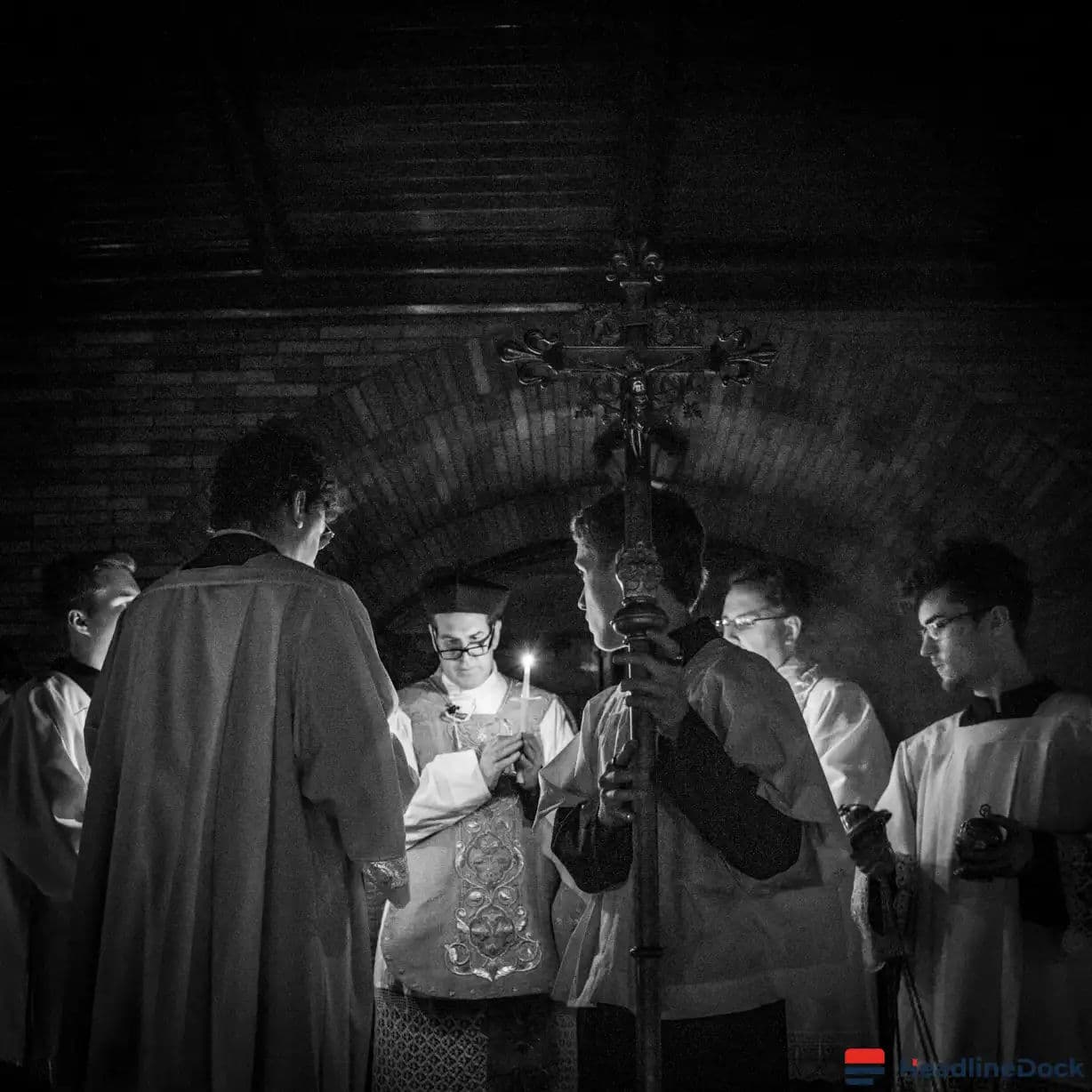
Highlights
- •The Society of St Pius X (SSPX) plans to consecrate four new bishops without papal approval on July 1.
- •The Vatican has categorized these upcoming consecrations as a schismatic act, warning of automatic excommunication.
- •The SSPX justifies the move as a state of necessity to ensure the continued administration of traditional sacraments.
- •Pope Leo XIV has expressed regret over the decision but indicated that the church must continue despite these divisions.
A breakaway group of traditionalist Catholics, known as the Society of St Pius X (SSPX), is set to defy Pope Leo XIV next week. By proceeding with the consecration of four new bishops without papal consent, the group is deliberately challenging the authority of the Vatican and reinforcing its status as an outsider within the church hierarchy.
The Rising Tension of Traditionalist Catholics
The SSPX has announced plans for a highly organized, four-day event at its Swiss seminary, which will be livestreamed to a global audience. This move occurs nearly forty years after the group first fractured from Rome. Observers, such as Massimo Faggioli, a theology professor at Villanova University, suggest that the organization is embracing a digital-first approach to solidify its distinct, ultra-traditionalist identity. Rather than seeking reconciliation, the group appears focused on maintaining a parallel structure that caters to a younger generation of believers who prefer the traditional Latin Mass.
The group was originally established in 1970 by Archbishop Marcel Lefebvre in Econe, Switzerland, as a reaction against the reforms of the Second Vatican Council. The formal break occurred in 1988 following unauthorized episcopal consecrations, leading to excommunications by the Vatican. Today, the SSPX represents a significant challenge to the Holy See, boasting a substantial international footprint that includes hundreds of priests, seminarians, and thousands of lay members.
Justification and Church Response
Rev. Davide Pagliarani, the SSPX superior, has justified the upcoming ceremony by citing a state of necessity, claiming that current leadership is insufficient to minister to their global membership. Conversely, the Vatican has formally warned that these consecrations constitute a schismatic act, carrying severe canonical consequences for those involved. Despite the potential for deepening the divide, Pope Leo XIV has expressed a desire for the church to move forward, acknowledging the pain caused by such divisions while reaffirming the necessity of papal authority regarding apostolic succession.
The planned event includes extensive logistical arrangements, from accommodation and carpooling to commemorative merchandise like limited-edition wine. This high level of organization reinforces the assessment that the SSPX has no intention of returning to full communion with Rome. Meanwhile, other Catholic traditionalists remain divided, with some expressing sympathy for the group's critiques of the modern church, while others condemn the upcoming consecrations as unlawful acts of disobedience against the papacy.