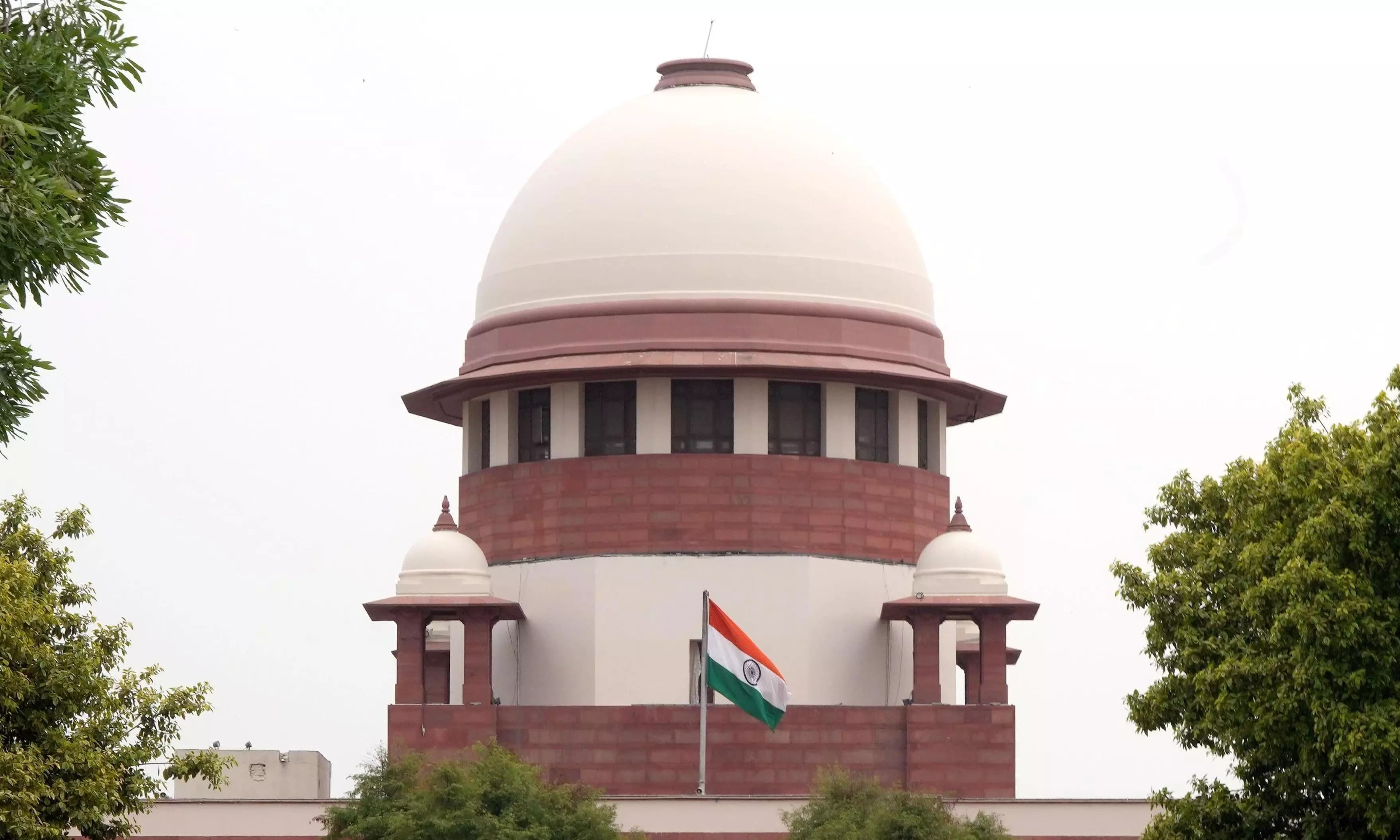
Tamil Nadu Challenges Madras High Court Order on Thirupparankundram Deepam Ritual
The Tamil Nadu government has filed a petition in the Supreme Court challenging a Madras High Court order that allowed the lighting of a ceremonial lamp on Thirupparankundram hill, citing concerns over potential law and order issues and communal tensions.

Highlights
- •The Tamil Nadu government has approached the Supreme Court to challenge a Madras High Court order.
- •The dispute involves the ceremonial lighting of a lamp at Thirupparankundram hill during the Karthigai Deepam festival.
- •The High Court had previously ruled that the land belongs to the Sri Subramania Swamy Temple.
- •The state government cited concerns over potential communal tensions and law and order issues regarding the ritual.
The Tamil Nadu government has officially initiated a legal challenge in the Supreme Court regarding a Madras High Court directive concerning a religious practice at the Thirupparankundram hill. On June 11, the administration filed a petition through its legal counsel, B Karunakaran, to contest the decision related to the annual lighting of a ceremonial lamp.
Background of the Legal Dispute
The appeal targets a January 6 order issued by the Madurai bench of the Madras High Court. This judicial ruling had upheld a previous judgment from December 1, 2025, which mandated that a ceremonial lamp be lit at a stone pillar, known as the Deepathoon, on the Thirupparankundram hill during the Karthigai Deepam festival. The original petition was brought forward by Rama Ravikumar and others, who sought official permission to conduct this traditional ritual.
In its January verdict, the High Court dismissed concerns regarding potential threats to law and order, characterizing these anxieties as unfounded and merely a matter of convenience. The bench asserted that the land where the Deepathoon is situated belongs to the Sri Subramania Swamy Temple. Furthermore, the court stated that the Waqf Board lacked the legal standing, or locus, to intervene in this specific matter, rejecting claims that the stone pillar was under the purview of the Hazarath Sultan Sikkandar Badhusha Avuliya Dargah.
Government Position and High Court Observations
The state government, supported by temple authorities and the local Dargah, had initially appealed against the single-judge ruling. The government expressed concerns that conducting the religious ceremony at the hilltop, which is located in close proximity to the Dargah, could potentially disrupt public peace and incite communal tensions. This fear of causing disturbance formed the core of the state's argument against the implementation of the Thirupparankundram Deepam ritual.
However, the High Court bench criticized the state's stance, suggesting that the administration should have utilized the situation as a platform to foster reconciliation between different communities. The court emphasized that a peaceful and meaningful negotiation could have successfully addressed the differences between the involved parties. It noted that the Waqf Board's late assertion that the pillar belonged to the Dargah had only served to complicate mediation efforts. As the matter moves to the Supreme Court, the legal determination of land ownership and religious rights at this site remains a focal point of public and administrative interest.