Tigers Use Overgrown Canals to Stalk Bandipur Border Villages in Karnataka
Straying tigers and leopards are increasingly settling in overgrown canals near the Bandipur National Park, leading to frequent man-animal conflicts. Local villagers are facing heightened danger as administrative delays in clearing vegetation prevent effective forest management and tiger capture efforts.
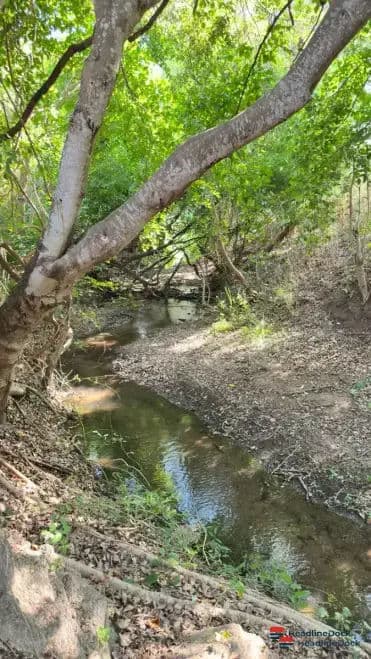
Highlights
- •Tigers and leopards are using overgrown canals near Bandipur as cover, increasing risks to locals.
- •Recent attacks on villagers, including one on a farm worker named Kiran, have heightened local alarm.
- •Despite warnings from forest officials, Gram Panchayats have failed to clear the dense vegetation along water channels.
- •Dense vegetation prevents forest officials from using trained elephants for effective tiger capture operations.
In the regions surrounding the Bandipur National Park, local communities are facing an alarming increase in man-animal conflicts. Reports indicate that tigers and leopards are increasingly straying from their natural habitats and establishing dens along canals, or nalas, which have become overgrown with dense vegetation. This cover provides the predators with cool, sheltered environments, allowing them to remain close to human settlements, where they often hunt livestock and occasionally pose a direct threat to residents.
The Danger of Overgrown Vegetation
The issue has gained significant urgency following a recent attack on a villager named Kiran. While working on a farm, he sustained injuries to his back and neck after being targeted by a straying tiger. This follows a previous incident involving Rajashekarappa, a 65-year-old resident, who was also mauled by a tiger under the Nugu range the previous year. These recurring encounters have instilled deep fear among the local population, many of whom are now hesitant to venture into their fields even during daylight hours.
Forest officials have identified the lack of maintenance along these water channels as a primary driver for the rising man-animal conflicts. Since late 2025, field experts have recommended the urgent clearance of thick vegetation along these nalas to eliminate hiding spots for predators. In November 2025, forest officials from Nugu formally reached out to the Gram Panchayats of Mulluru, Hediyala, Hadanoor, and Kallamballu, urging them to clear the greenery to facilitate easier monitoring and, if necessary, safer capture operations. However, these requests have largely gone unheeded.
Infrastructure Challenges and Local Response
Attempts to resolve the situation have been hampered by administrative hurdles. Requests made to the Assistant Executive Engineer of the Kabini Nala division in Hullahalli to address the vegetation growth have yet to yield substantial results. According to officials, the overgrown nalas are so dense that even trained elephants—which are essential for tiger capture operations—cannot access these areas to track the predators effectively.
Local administrative bodies have cited financial constraints as the reason for their inability to clear the vegetation. Meanwhile, communication between the Kabini reservoir authorities and Bandipur forest officials remains fractured, with reservoir staff stating they are occupied with other jurisdictional tasks. As the struggle over maintenance responsibilities continues, the proximity of wild predators to human activity in Mysuru and Chamarajanagar districts remains a critical concern for public safety and wildlife management in the state of Karnataka.