The Rapid Evolution of EV Technology and Global Sustainable Mobility Trends
The automotive sector is rapidly shifting toward electric mobility, driven by advancements in battery efficiency, connected digital systems, and supportive government policies. These innovations are making electric vehicles more accessible, reliable, and sustainable, setting the foundation for the future of global transportation.

Highlights
- •Electric vehicles are becoming more mainstream due to improvements in battery range and affordability.
- •New EV technology includes advanced energy management software and improved charging efficiency.
- •Connected car features like over-the-air updates and ADAS are now standard in many modern electric models.
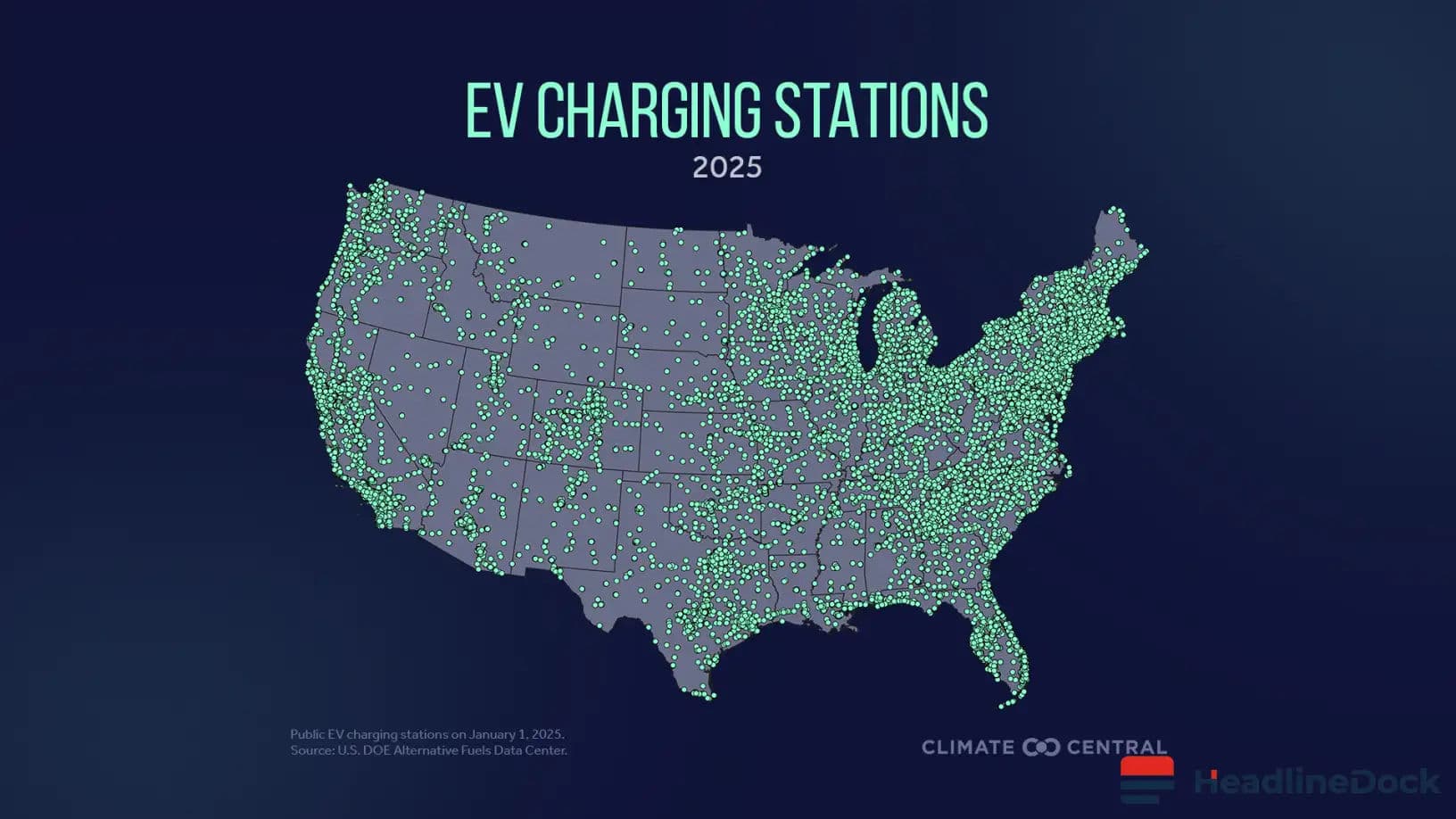
- •Government incentives and expanded charging infrastructure are helping to reduce consumer range anxiety.
The automotive landscape is undergoing a significant transformation as Electric Vehicles (EVs) gain mainstream traction, reshaping how consumers view personal mobility. As manufacturers strive to balance innovation with affordability, the surge in EV technology is driving competition and setting new benchmarks for vehicle efficiency and user experience. This transition is not merely about replacing internal combustion engines; it is about integrating advanced digital systems and sustainable engineering to create a smarter, cleaner transportation ecosystem.
The Evolution of Modern EV Technology
Recent advancements in battery chemistry and power electronics have drastically improved the range and reliability of modern electric cars. Leading automakers are investing heavily in research and development to reduce charging times and lower production costs, making high-performance electric vehicles accessible to a wider demographic. The adoption of regenerative braking, intelligent energy management software, and high-density battery packs has become standard, reflecting a broader commitment to long-term sustainability and reduced carbon emissions.
Beyond powertrain enhancements, the integration of connected car features has become a focal point for industry leaders. Modern Electric Vehicles now function as sophisticated mobile platforms, equipped with over-the-air (OTA) updates, advanced driver-assistance systems (ADAS), and seamless smartphone connectivity. These technological integrations improve safety, enhance cabin comfort, and allow for a personalized driving experience that adapts to individual preferences through intuitive software interfaces.
Market Growth and Future Sustainability
The rapid expansion of the EV market is further supported by evolving government policies and the growing demand for eco-friendly mobility solutions. Incentives for domestic manufacturing, coupled with the expansion of public charging infrastructure, are mitigating traditional barriers such as range anxiety. As competition intensifies, consumers are benefiting from a wider array of choices, ranging from entry-level commuter vehicles to premium luxury electric SUVs, each packed with cutting-edge features.
Looking ahead, the shift toward electrification is expected to accelerate as legacy manufacturers and startups continue to innovate. The focus will likely remain on developing more efficient manufacturing processes, sourcing sustainable materials, and improving the recyclability of components. As these technological strides continue, Electric Vehicles will cement their role as the cornerstone of future global transportation, offering a cleaner and more efficient alternative to conventional automobiles while continuing to drive economic and environmental progress across the automotive sector.