The Rapid Evolution of Electric Vehicles and Sustainable Global Mobility
The automotive sector is rapidly shifting toward electric vehicles, fueled by advancements in battery technology, government subsidies, and environmental mandates. This transformation is reshaping manufacturing, improving charging infrastructure, and enhancing the overall consumer driving experience in the pursuit of a sustainable, carbon-neutral future.

Highlights
- •Global transition to electric vehicles is accelerating due to sustainability goals.
- •Government incentives and tax credits are increasing consumer accessibility to EVs.
- •Breakthroughs in battery technology are extending driving ranges and reducing charging times.
- •Automotive manufacturers are realigning production strategies to meet strict environmental regulations.
The global transition toward electric vehicles is gaining momentum as manufacturers and governments prioritize sustainable transportation solutions. As the demand for cleaner mobility options rises, the automotive landscape is undergoing a significant transformation, with major players investing heavily in battery technology and charging infrastructure. This shift not only aims to reduce carbon emissions but also seeks to reshape how consumers interact with personal and public transit systems.
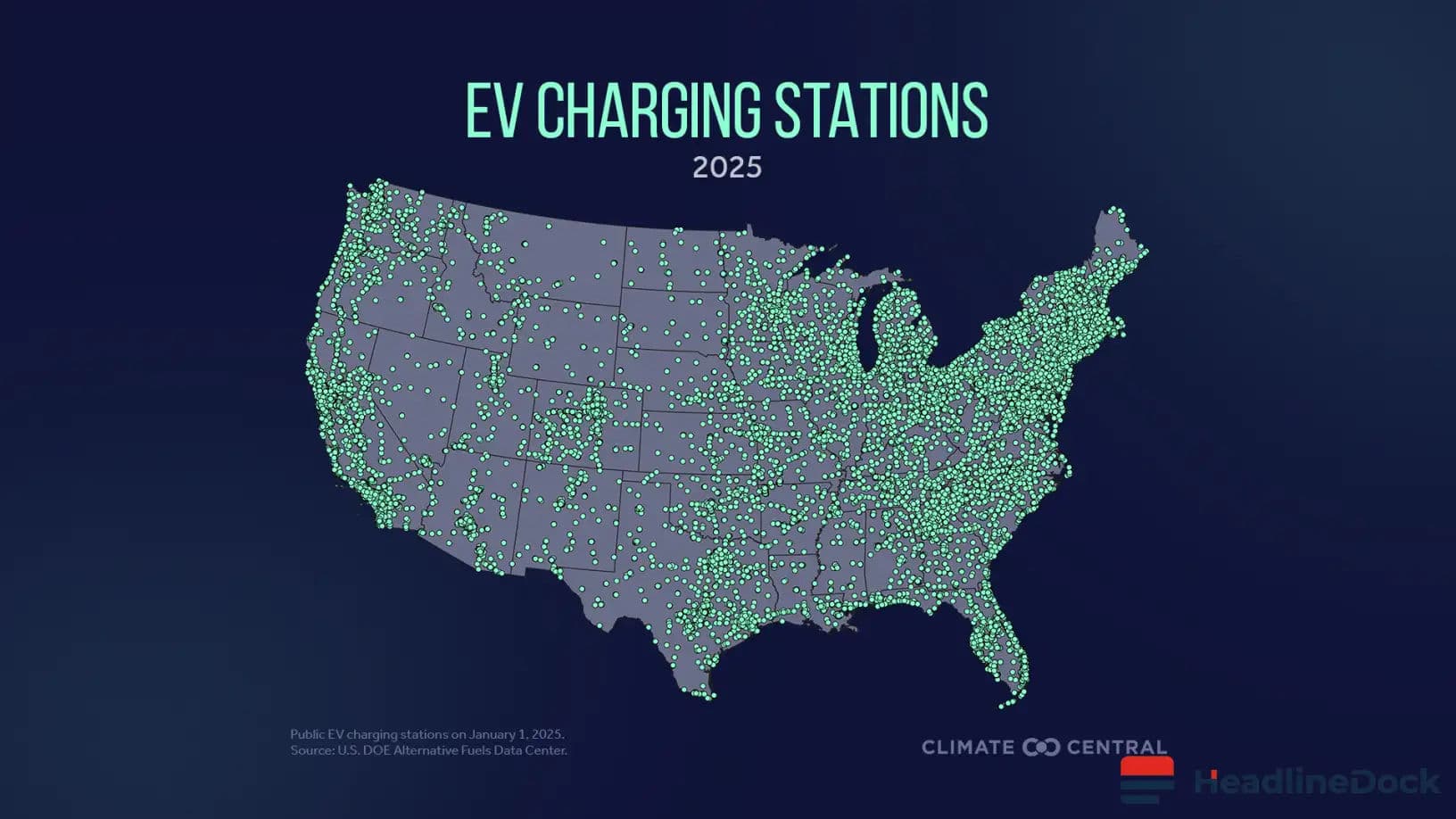
The widespread adoption of electric vehicles has prompted various countries to implement policies that encourage both production and consumer ownership. Financial incentives, such as tax credits and subsidies, are playing a pivotal role in making these vehicles more accessible to the average buyer. Additionally, the development of robust charging networks is addressing concerns regarding range anxiety, which has historically been a barrier for many potential buyers considering the switch from traditional internal combustion engines.
Technological Advancements Driving Electric Mobility
Innovative breakthroughs in battery technology are at the heart of this vehicular evolution. Current advancements are focused on increasing energy density, which allows for longer driving ranges on a single charge while simultaneously reducing manufacturing costs. Companies are also exploring fast-charging capabilities that can significantly decrease the time required to power up, further enhancing the convenience of owning an electric car.
Beyond individual vehicle performance, the integration of smart technology is transforming the driving experience. Many modern electric vehicles now feature advanced driver-assistance systems, over-the-air software updates, and seamless connectivity with smart home ecosystems. These features are not merely luxury additions; they are becoming essential components that define the value proposition of new car models entering the competitive market today.
As the industry continues to evolve, the impact on traditional manufacturing hubs is becoming increasingly evident. Established automotive manufacturers are pivoting their assembly lines to accommodate modular platforms designed specifically for electrification. This strategic realignment ensures that companies can remain competitive while meeting the stringent environmental regulations set by global regulatory bodies. The long-term vision for the automotive sector remains clear: a complete transition toward sustainable and efficient mobility solutions for a greener future.