The Future of Electric Vehicles: Technology, Policy, and Market Trends
The electric vehicle market is evolving rapidly, driven by technological advancements in battery range, expanded charging infrastructure, and supportive government policies. As production scales, these sustainable transport solutions are becoming increasingly affordable and convenient for the mainstream consumer, signaling a major shift in the automotive industry.

KEY TAKEAWAYS
1 MIN READ- Rapid expansion of charging networks is essential for consumer adoption of EVs.
- Government subsidies and policy incentives are lowering the barrier for entry.
- Technological innovations have significantly improved battery range and charging efficiency.
- Mass production and economies of scale are driving down vehicle costs over time.
The automotive landscape is undergoing a significant transformation as Electric Vehicles (EVs) continue to gain traction in the global and domestic markets. As consumer interest shifts toward sustainable transportation, manufacturers are increasingly focusing on battery technology, charging infrastructure, and the overall affordability of green mobility solutions. The transition to electric power is not just an environmental initiative but a fundamental change in how vehicles are engineered and operated.
One of the primary drivers behind the rapid adoption of Electric Vehicles is the persistent push for cleaner energy and reduced carbon emissions. Government policies across various regions are offering incentives, subsidies, and tax benefits to encourage both manufacturers and end-users to embrace this shift. These legislative actions are critical in lowering the initial cost barrier that has historically hindered mass-market adoption. By making eco-friendly transportation more accessible, policymakers are accelerating the decline of traditional internal combustion engine vehicles.
Technological Advancements in Modern Electric Vehicles
Innovation remains at the heart of the evolution of Electric Vehicles. Modern battery packs now offer significantly improved range and faster charging capabilities, addressing the 'range anxiety' that previously deterred potential buyers. Furthermore, software-defined architectures allow for over-the-air updates, enhancing the vehicle's performance and safety features long after it leaves the showroom floor. Major automotive players and emerging startups are investing heavily in research and development to optimize powertrain efficiency and reduce reliance on rare-earth minerals.
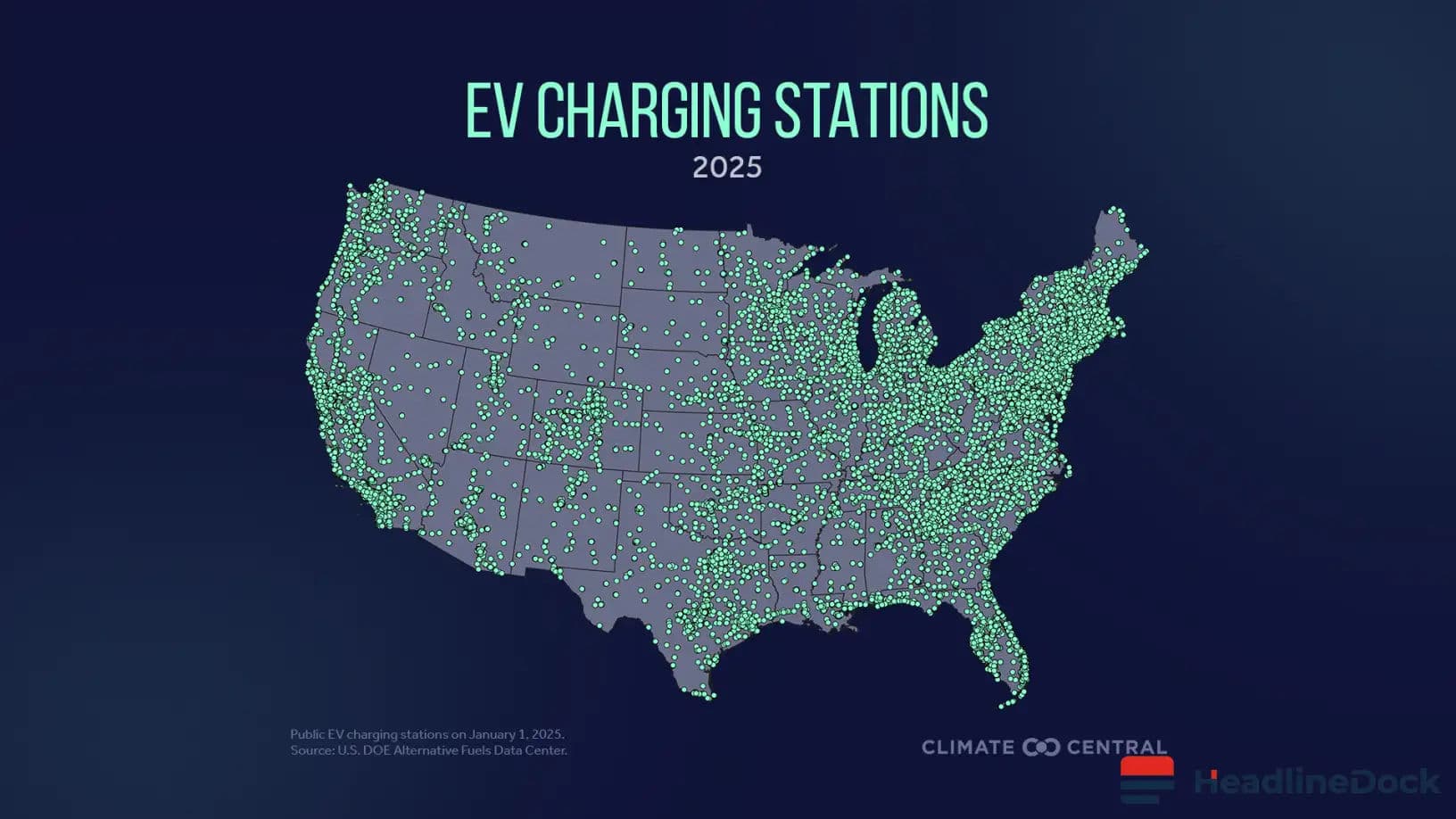
The expansion of charging infrastructure is another pillar supporting the mainstream integration of Electric Vehicles. Strategic partnerships between public and private sectors are resulting in a more robust network of charging stations along major highways and within urban centers. As the frequency of charging points increases, the convenience for daily commuters and long-distance travelers alike becomes comparable to the experience of refueling a conventional car. This development is essential for building long-term consumer confidence in battery-powered technology.
Ultimately, the automotive sector is heading toward a future where electric mobility is the standard rather than an alternative. With advancements in manufacturing processes and economies of scale, the cost of producing these advanced machines is expected to decrease further. As manufacturers streamline production lines and optimize supply chains, the availability of diverse models, ranging from budget-friendly compact cars to high-performance SUVs, will continue to expand, offering consumers a wider array of choices in the coming years.