Telangana to Deploy Modern Automated Grain Silos to Boost Paddy Storage Efficiency
Telangana is launching a network of modern automated grain silos across 10 districts to improve paddy storage efficiency. The project, led by Minister N. Uttam Kumar Reddy, aims to reduce post-harvest losses and mitigate labor shortages, while ensuring existing local procurement societies remain integrated in the system.
Highlights
- •The government is launching modern automated grain silos at 20 locations across 10 major paddy-producing districts.
- •The project aims to improve post-harvest management and reduce storage losses while addressing labor shortages.
- •The automated systems will handle the entire process from intake and quality testing to storage and dispatch.
- •Existing procurement bodies like IKP centers and PACS will continue to play a crucial role in operations.
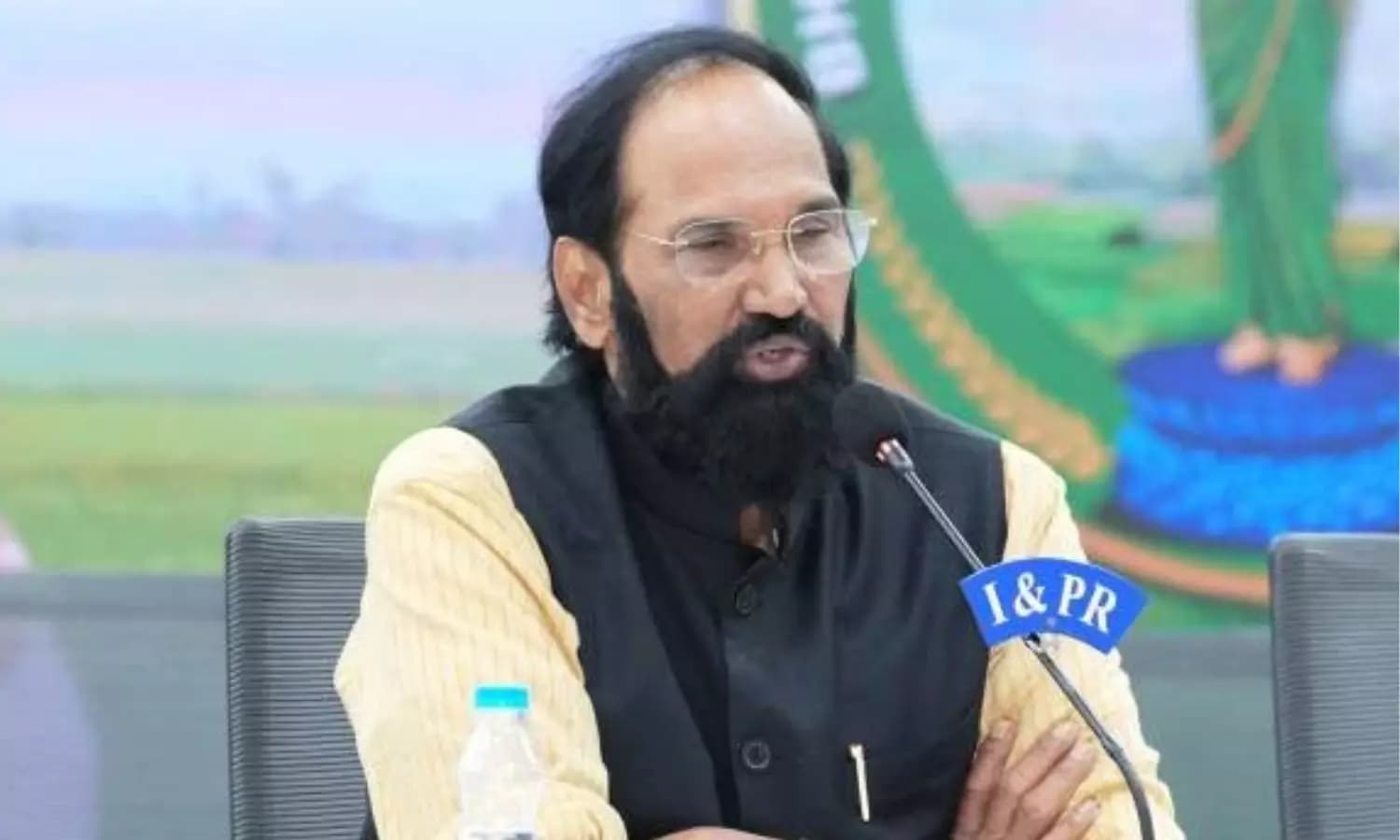
The state government is set to revolutionize paddy storage by deploying modern automated grain silos across 10 key paddy-producing districts. Irrigation and Civil Supplies Minister N. Uttam Kumar Reddy revealed on Friday that these state-of-the-art facilities will be established at 20 strategic locations, marking a significant step in the modernization of the region's agricultural infrastructure.
The proposed network of modern automated grain silos is designed to handle an initial capacity of 50,000 tonnes. This initiative aims to bolster existing procurement and storage systems, ensuring that post-harvest losses are minimized while the efficiency of grain transit across the state is substantially enhanced. During a consultation with representatives from major logistics and grain storage firms, the minister emphasized the importance of this project in securing the agricultural supply chain.
Enhancing Efficiency with Modern Automated Grain Silos
These advanced systems are engineered to be fully automated, covering every stage from the initial intake and quality inspection to final storage and dispatch. The implementation of modern automated grain silos is expected to resolve critical challenges, particularly the ongoing issue of manpower shortages. Such constraints are often most acute during the height of the Rabi procurement season in April and May, when harsh heatwave conditions frequently impact the availability of manual labor.
Minister N. Uttam Kumar Reddy has mandated that the participating companies provide comprehensive proposals. These submissions must specify suitable project sites, define storage capacities, and outline effective implementation strategies for the proposed network. This methodical approach is intended to ensure that the infrastructure is well-integrated with the state's existing requirements.
Furthermore, the government has provided clear assurances regarding the future of existing procurement mechanisms. The minister confirmed that self-help groups (SHGs) managing the Indira Kranthi Patham (IKP) procurement centers, as well as various primary agricultural cooperative societies (PACS), will continue to maintain their vital roles. These organizations have historically served as the backbone of the paddy procurement process in Telangana, and their ongoing involvement remains a priority for the administration as they transition to more modernized systems.
By investing in these advanced technological solutions, the state aims to create a more resilient agricultural framework. The move is not merely about increasing storage volume, but about leveraging technology to protect farmers' yields from environmental factors and logistical delays, thereby sustaining the growth of the regional agricultural economy in the long term.