Rubio Rejects Iran Tolls on Hormuz as Deal Strains Multiply
US Secretary of State Marco Rubio has rejected Iran's potential implementation of tolls on the Strait of Hormuz. The dispute persists alongside ongoing negotiations regarding nuclear inspections and ballistic missile capabilities as both sides work toward a 60-day diplomatic roadmap to end regional hostilities.
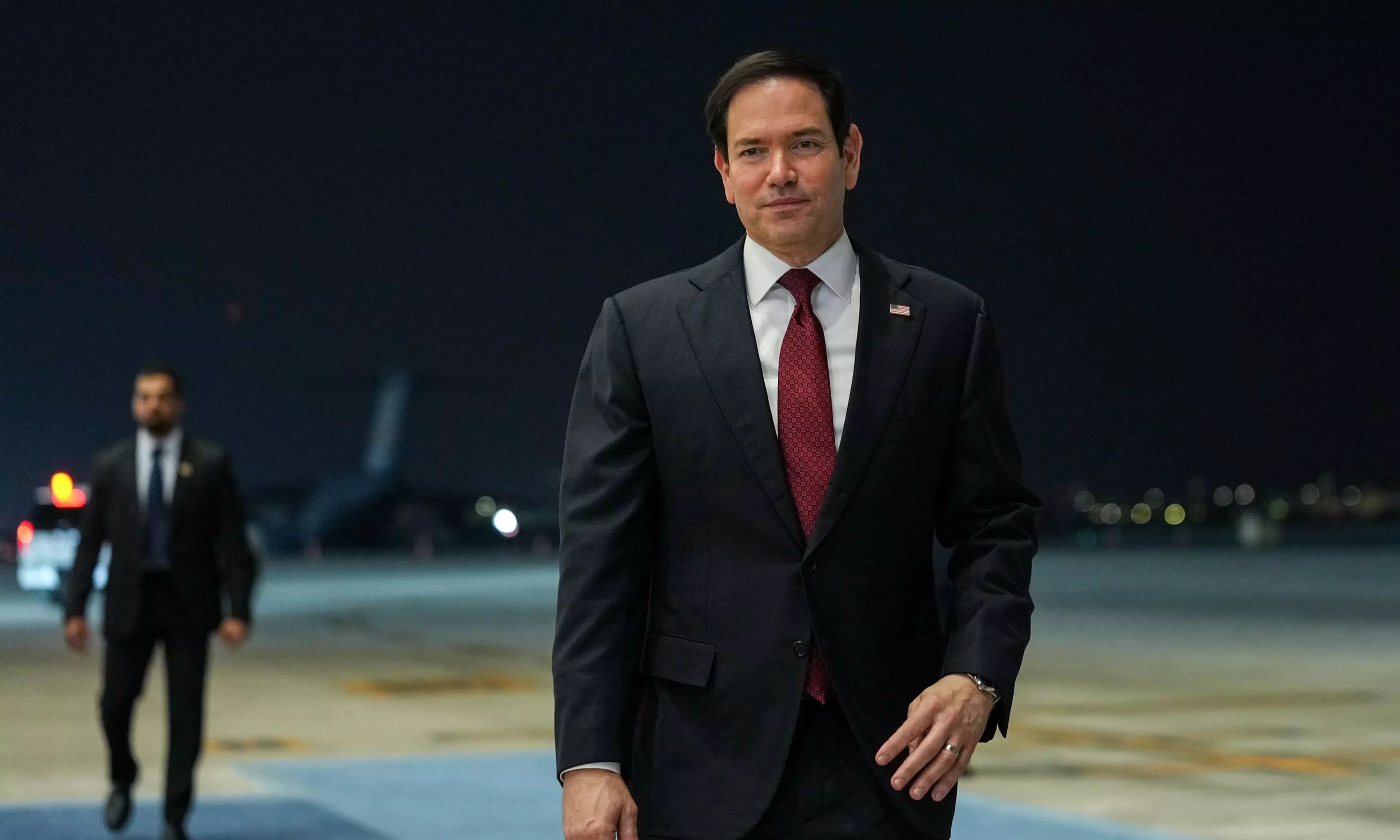
The geopolitical landscape surrounding the Strait of Hormuz remains tense as United States Secretary of State Marco Rubio explicitly rejected Iran's potential imposition of tolls or fees on the critical waterway. This diplomatic friction arrives alongside mounting challenges for a preliminary agreement aimed at de-escalating the ongoing regional conflict.
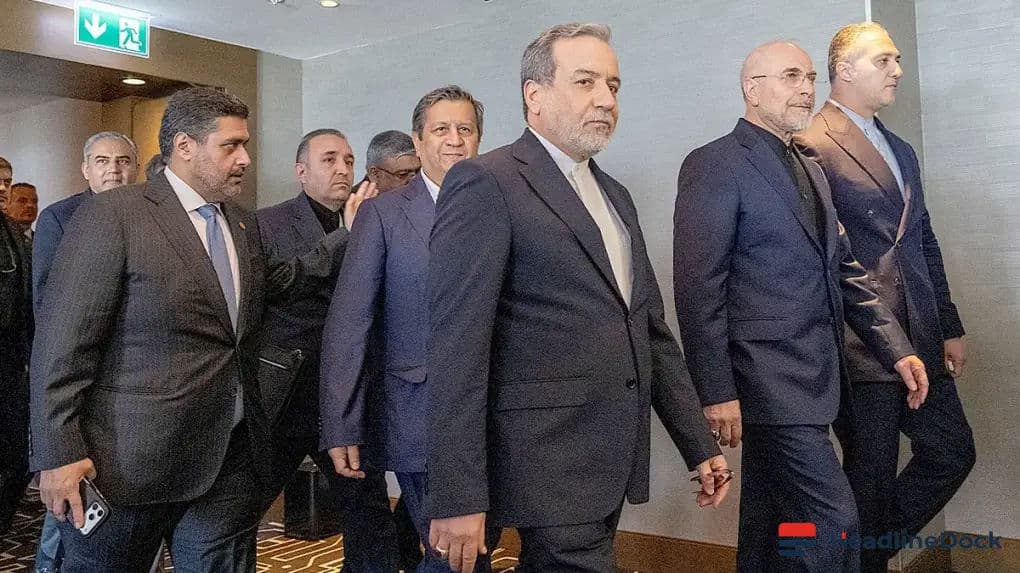
Following an initial round of discussions in Switzerland, the United States and Iran have established a 60-day window for negotiations concerning sanctions relief, the status of Hormuz, and the Iranian nuclear program. While maritime traffic through the Strait of Hormuz—a crucial artery for global oil—has seen a slight increase since the agreement was signed, it continues to operate at only about 40 percent of its pre-war capacity. Tehran maintains that it holds sovereignty over the route, with officials indicating they are reviewing administration and service costs for vessels navigating the passage.
Strained Diplomacy and Defensive Red Lines
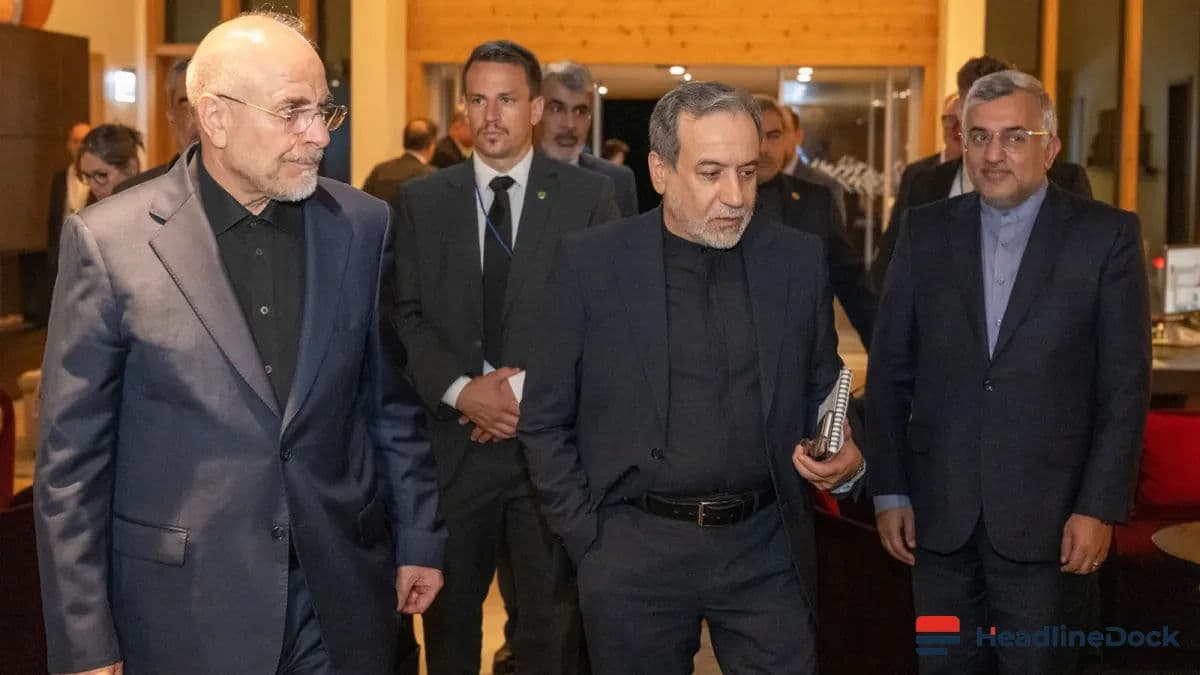
Secretary Rubio, who is currently conducting a diplomatic tour of regional allies including the United Arab Emirates, firmly stated that the strait is an international waterway. He asserted that no nation possesses the authority to levy tolls or fees on such transit routes, expressing confidence that regional countries share this perspective. Despite the establishment of communication lines to ensure the strait remains open, Tehran's top negotiator, Mohammad Bagher Ghalibaf, suggested that the maritime status quo will not revert to its pre-war state.
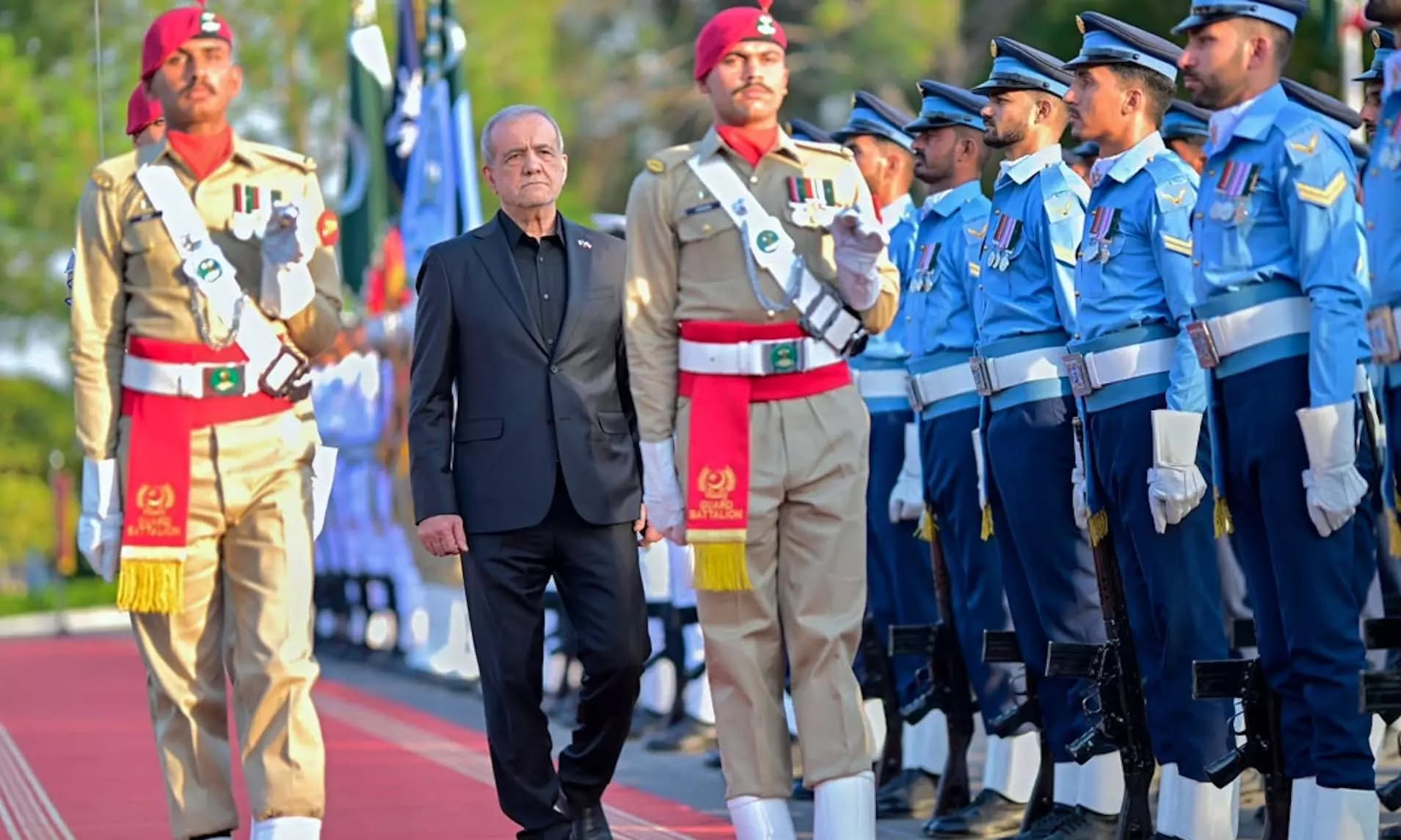
Simultaneously, the United Nations maritime agency is coordinating efforts with Iran, Oman, and the United States to assist in the evacuation of over 11,000 sailors previously stranded by the maritime blockade. While diplomacy continues, significant points of contention persist. Iranian President Masoud Pezeshkian emphasized during a visit to Pakistan that Iran will refuse to negotiate its ballistic missile capabilities, characterizing them as essential for national defense. This stance directly challenges expectations from Washington and Israel, the latter of which views the missile program as an existential threat.
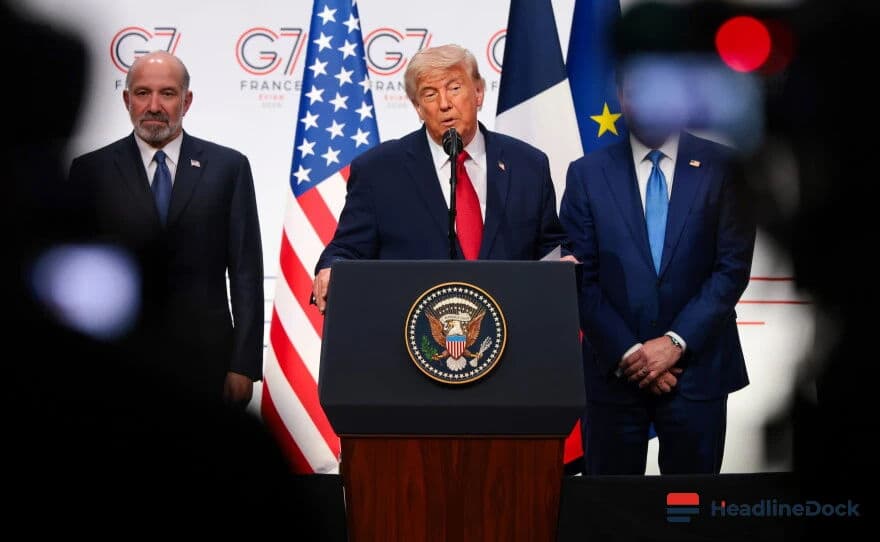
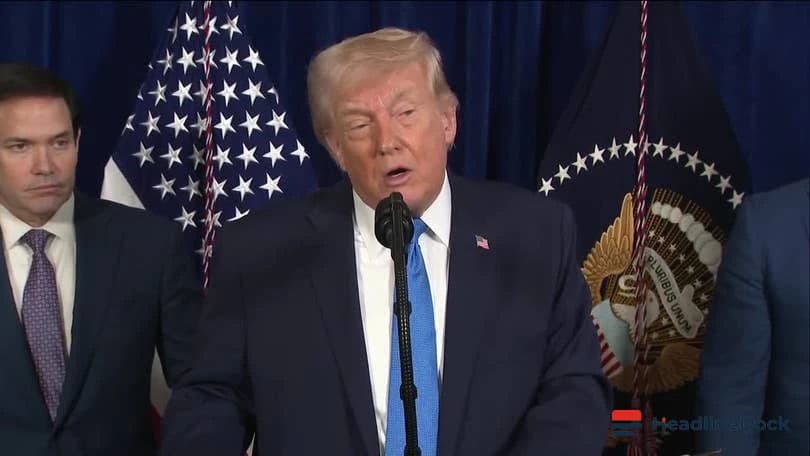
Disagreements also remain regarding transparency at nuclear facilities. Although United States President Donald Trump claimed that Iran had fully committed to rigorous long-term International Atomic Energy Agency (IAEA) inspections, Iranian officials have denied such an agreement was reached. These complexities are compounded by ongoing, separate negotiations between Israel and Lebanon in Washington, aimed at resolving the conflict involving Hezbollah. As the 60-day roadmap progresses, the international community continues to monitor these developments closely to see if a lasting stability can be achieved in the region.
,curated_key_highlights:[