Taliban and European Union Officials Meet for Rare Talks on Deportations
A delegation from the Taliban has traveled to Brussels for private talks with the European Union. The discussions are primarily focused on accelerating the deportation of Afghan nationals, amid increasing pressure from member states to address migration and security challenges.
Highlights
- •A five-person Taliban delegation is visiting Brussels for high-level, closed-door talks with European Union staff.
- •The discussions are centered on facilitating deportations of Afghan citizens whose asylum claims have been rejected or who pose security risks.
- •Human rights organizations have warned that these engagements could undermine EU credibility and potentially endanger deportees.
- •EU officials clarified that these technical meetings do not grant formal recognition or legitimacy to the Taliban government.
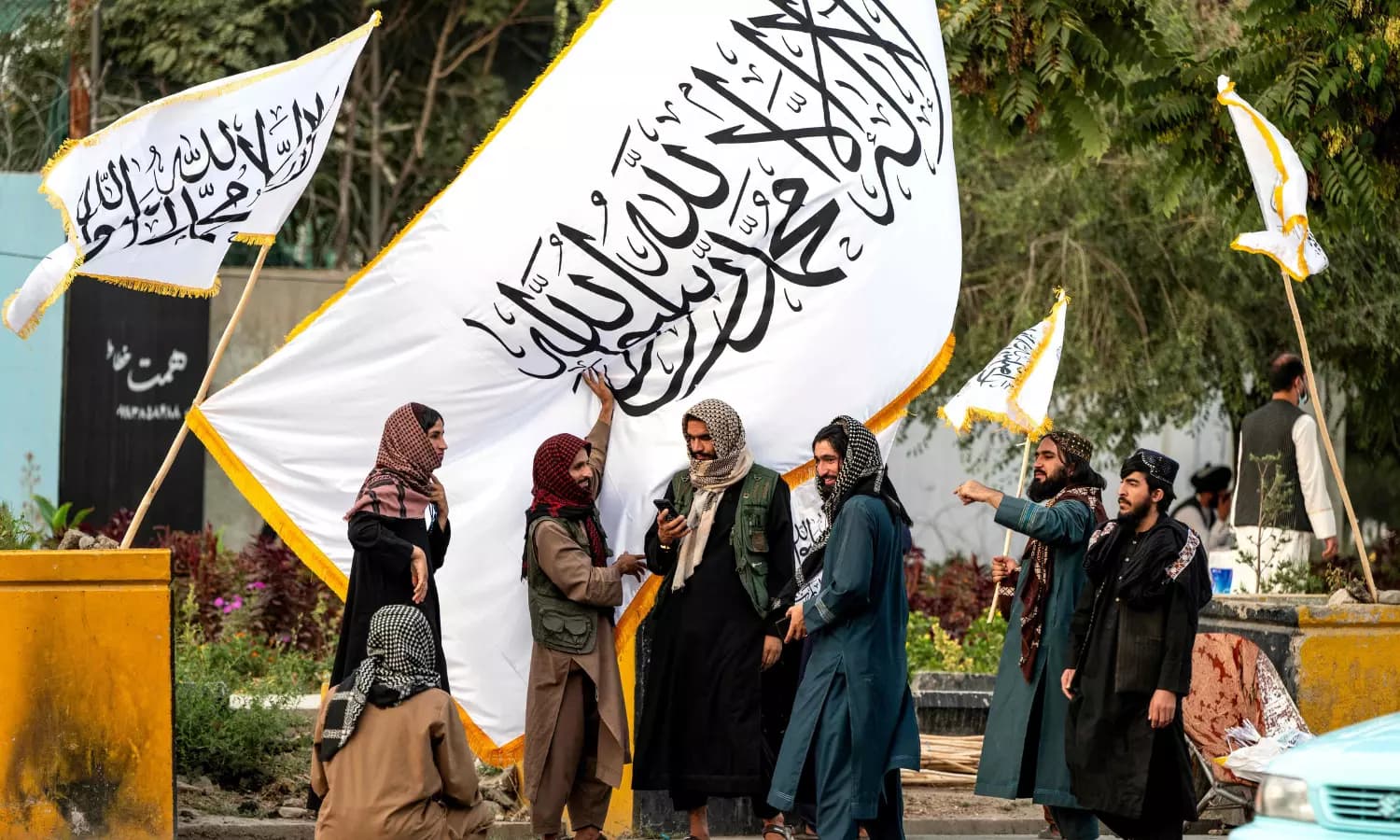
In a notable diplomatic development, a five-person Taliban delegation is traveling to Brussels for closed-door discussions with representatives of the European Union. The primary focus of these rare, high-stakes negotiations centers on Taliban deportations, as several member states push for more effective migration management.
Addressing Deportations and Migration Policy
Currently, Afghans represent one of the largest demographics seeking asylum within the European Union. However, internal pressure is mounting across the 27-nation bloc to expedite the return of individuals whose asylum applications have been denied or those identified as security threats due to criminal activities. A coalition of 20 EU countries has formally requested that the European Commission coordinate these technical contacts to address the challenges of Taliban deportations and regional migration.
The delegation, which includes Abdul Qahar Balkhi, a spokesperson for the foreign ministry, has been granted visas with strict limitations. These visas permit a 24-hour stay in Belgium for security-screened personnel and exclude access to other nations within the Schengen border-free zone. Officials have emphasized that these meetings do not constitute official recognition of the Taliban government, which seized power in 2021 following the departure of US-led forces.
Critics, including major human rights organizations, have expressed deep concern regarding these interactions. Fereshta Abbasi, a researcher at Human Rights Watch, argued that engaging with the current administration while simultaneously condemning its record on rights—particularly regarding women and girls—undermines the credibility of the EU. Organizations like Amnesty International have highlighted that the deteriorating humanitarian and economic situation in Afghanistan makes forced returns increasingly dangerous.
Geopolitical Implications of Diplomatic Engagement
The meeting underscores the complexity of managing migration in the context of a government that remains unrecognized by the international community. While the European Commission maintains limited staff in Kabul, it has consistently stated that technical dialogues regarding returns should not be interpreted as a step toward legitimacy. The Taliban, meanwhile, continues to navigate significant economic sanctions and is actively seeking humanitarian support to mitigate the country's ongoing crisis.
The move follows a clear push by several member nations, including Belgium, to regain control over border security. With reports indicating that only a small fraction of individuals ordered to leave have actually been repatriated, officials are under intense political pressure to pursue firmer, joint approaches to migration policy. As the situation remains volatile, the international community continues to balance humanitarian obligations with domestic demands for rigorous border and security enforcement.