Netanyahu Advocates for Israel to End Reliance on US Military Aid
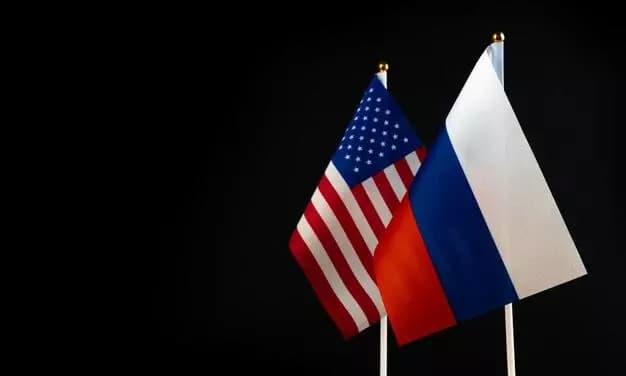
Prime Minister Benjamin Netanyahu is advocating for Israel to establish an independent armaments network, aiming to reduce dependence on US military aid. The move follows long-standing financial assistance agreements and reflects a broader strategic shift in Israeli national defense policy amid regional geopolitical tensions.
Highlights
- •Prime Minister Benjamin Netanyahu is pushing for Israel to achieve self-sufficiency in defense manufacturing.
- •The nation has received over $300 billion in inflation-adjusted US military and economic aid since 1948.
- •Current US-Israel agreements provide $3.8 billion annually for arms, representing 15% of the defense budget.
- •The push for autonomy comes amid ongoing Middle East tensions and diplomatic strains over regional conflict policies.
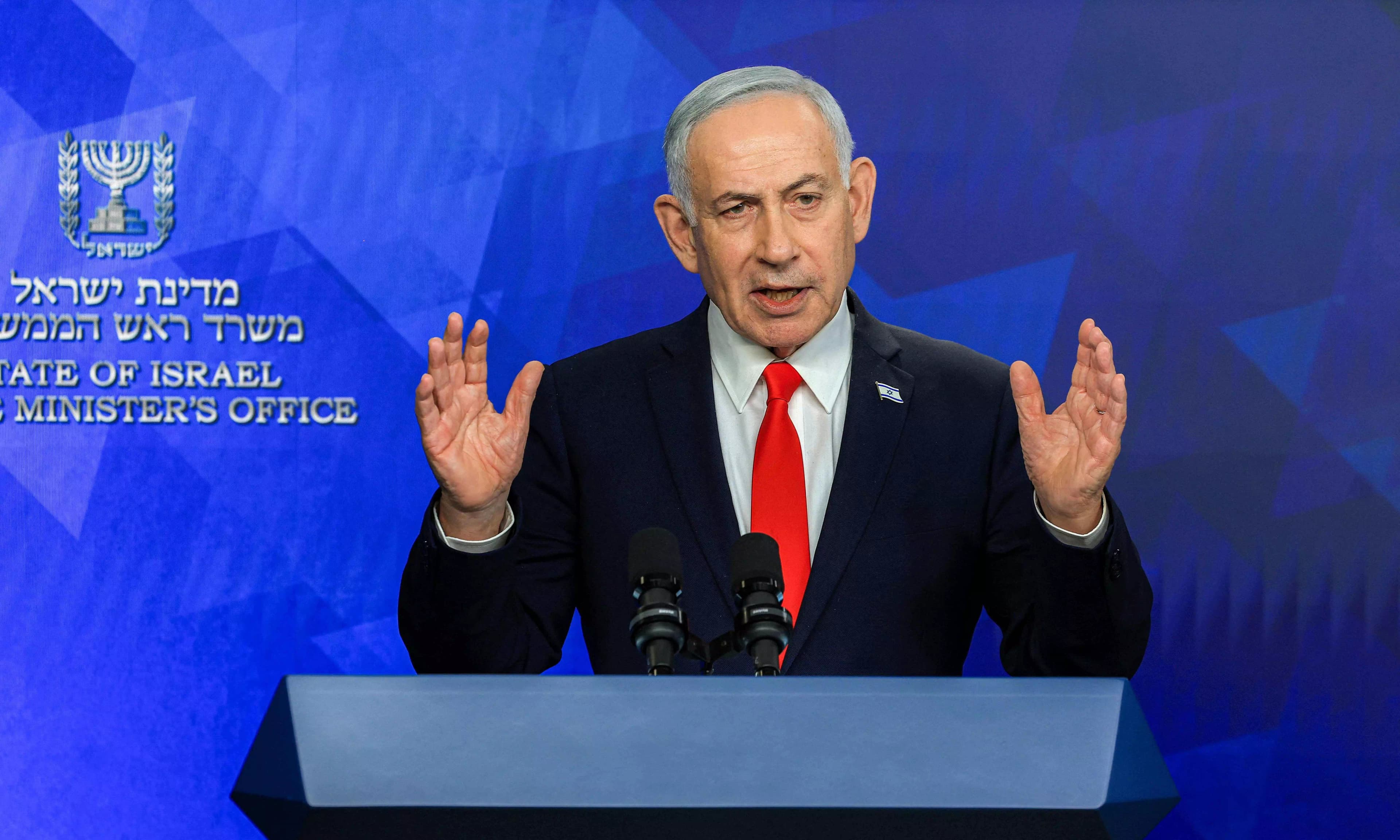
Israeli Prime Minister Benjamin Netanyahu has reiterated his vision for the nation to attain greater military autonomy, emphasizing a shift away from reliance on United States military aid. During an address to reserve officers participating in a training program within the occupied West Bank on June 18, the leader articulated a strategic goal of developing an independent armaments network.
The call for reduced dependency on international support comes amid a complex geopolitical landscape, occurring just one day after initial agreements were established between the United States and Iran to conclude the ongoing Middle East conflict. Benjamin Netanyahu highlighted that while the assistance provided by American allies is deeply valued, the necessity for a self-sufficient domestic production system for weaponry has become a national priority.
Pursuing Strategic Defense Autonomy
Historically, the relationship between the two nations has been anchored by substantial financial support. Since its establishment in 1948, Israel has been the recipient of over $300 billion in cumulative economic and military aid when adjusted for inflation. Current arrangements, which began in 2019 under a 2016 agreement, provide approximately $3.8 billion annually for arms procurement. This funding accounts for roughly 15 percent of the total Israeli defense budget and is scheduled to remain in effect until 2028.
This is not the first time Benjamin Netanyahu has publicly expressed an ambition to alter this financial dynamic. In January, he indicated to media representatives that he aimed to transition away from this support within a decade, and in May, he voiced aspirations for the aid levels to eventually reach zero. These statements reflect a persistent desire to reshape the country's military logistics and supply chain.
Geopolitical Relations and Future Outlook
Despite the long-standing alliance, the strategic partnership has faced challenges, particularly regarding the execution of military operations following the October 7, 2023, attack by Hamas. Furthermore, as the conflict with Hezbollah in Lebanon persists and complicates peace negotiations involving Iran, diplomatic friction has occasionally surfaced. High-profile figures, including President Donald Trump, have expressed public criticism regarding recent policy decisions.
By advocating for an independent domestic arms manufacturing network, the Israeli administration is focusing on long-term security sovereignty. This effort to "wean" the nation off external assistance represents a significant shift in its defense policy approach, aiming to insulate the country's operational capabilities from fluctuating geopolitical pressures and shifts in international diplomatic relations over the coming years.