Rameswaram Fishermen Face Pricing Challenges After Annual Fishing Ban Ends
Fishermen in Rameswaram have resumed fishing after a 60-day government ban, reporting good yields. However, they face financial uncertainty as a local trader syndicate reportedly suppresses prices, leading to calls for urgent government intervention to ensure fair compensation for their hard-earned catch.
Highlights
- •Rameswaram fishermen resumed operations after the 60-day annual breeding season fishing ban.
- •Boats returned with significant hauls, including up to 500 kg of shrimp per vessel.
- •Local traders have allegedly formed a syndicate to control pricing, causing financial distress.
- •Fishermen are calling for government intervention to ensure fair market prices for their catch.
Fishermen in Rameswaram have officially resumed their operations following the conclusion of the mandatory 60-day annual fishing ban, yet they are now facing a significant economic hurdle regarding the Rameswaram fishing trade. While the return to the sea on Monday marked a period of renewed activity, the initial excitement has been tempered by concerns over market pricing and potential exploitation by local traders.
To preserve the marine ecosystem and allow for necessary fish breeding, the government enforces a strictly regulated ban on motorboat fishing along the Tamil Nadu coast every year from April 15 to June 14. This policy is generally well-received by the fishing community, who recognize that this rest period is vital for the long-term sustainability of fish populations and resource availability.
Challenges in the Post-Ban Fishing Market
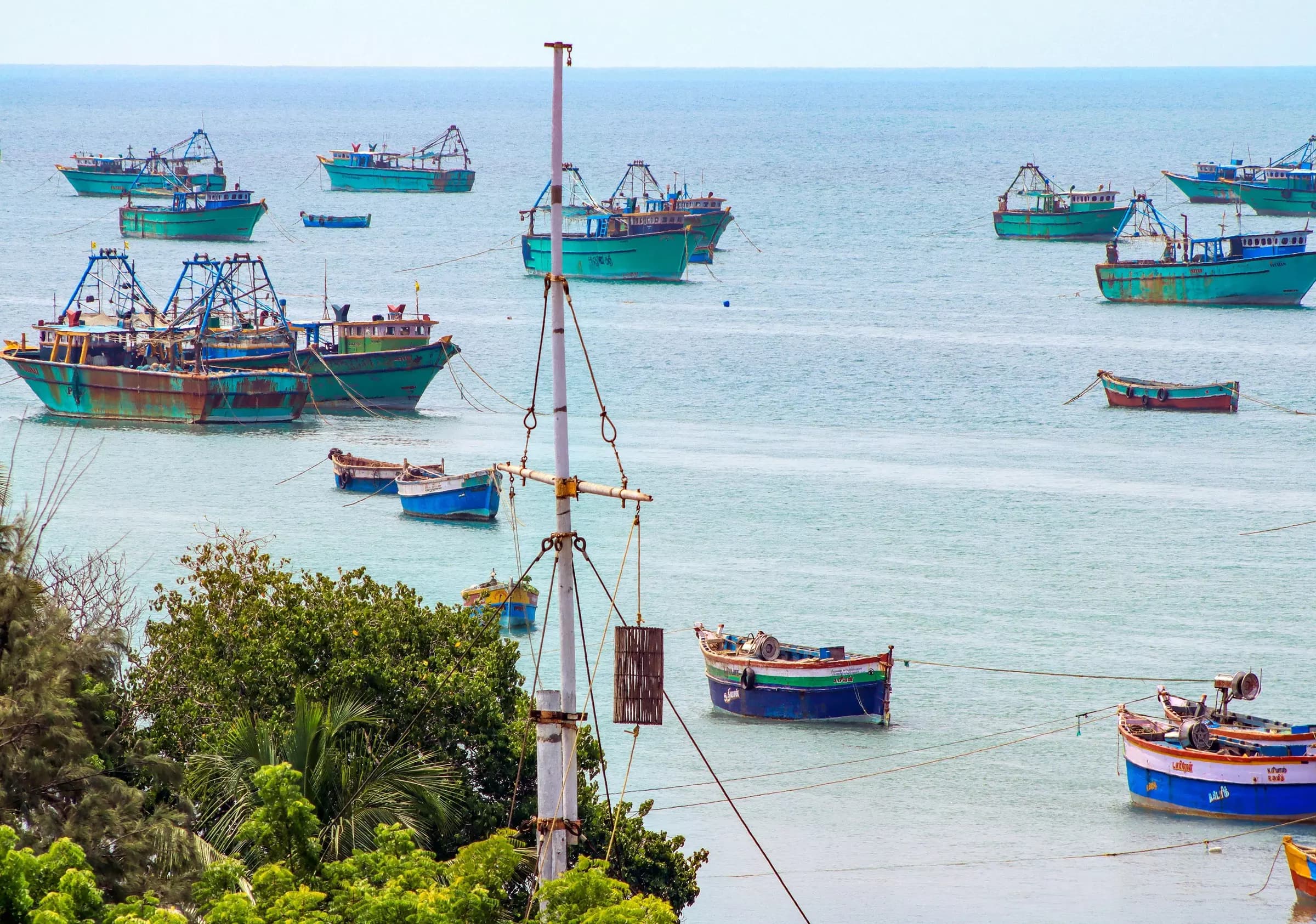
Following the lifting of these restrictions, more than 500 boats set out from Rameswaram, resulting in a productive initial harvest. Reports indicate that each vessel managed to secure substantial yields, ranging from 200 kg to 500 kg of high-value shrimp, alongside 100 kg to 200 kg of crabs and various other marketable fish species. However, despite these healthy volumes, the financial prospects for the Rameswaram fishing community remain uncertain.
Fishermen have reported that a syndicate of traders has emerged, effectively controlling the purchase process. These buyers are reportedly acquiring the catch without providing the laborers with transparent pricing information beforehand. This lack of transparency has left many in the industry deeply anxious, as they struggle to determine if their daily efforts will ultimately result in a profit or a loss, particularly given the rising operational costs of diesel and maintenance for fishing gear.
Government Intervention and Future Outlook
Prior to the resumption of their activities, the local fishing cooperatives had proactively reached out to both the Central and State governments. They urged officials to intervene in the market structure to ensure that fishermen receive a fair and equitable price for their catch. Despite these appeals, a concrete mechanism to protect them from price manipulation has yet to be implemented.
As the season progresses, the uncertainty surrounding market conditions persists. The Rameswaram fishing community remains in a state of watchful waiting, as they hope for authorities to address their concerns and stabilize the local economy. For now, the successful replenishment of fish stocks after the breeding season is overshadowed by the lack of price stability in the local trade.