Adivasis Protest Against Hydro Project Surveys in Southern India
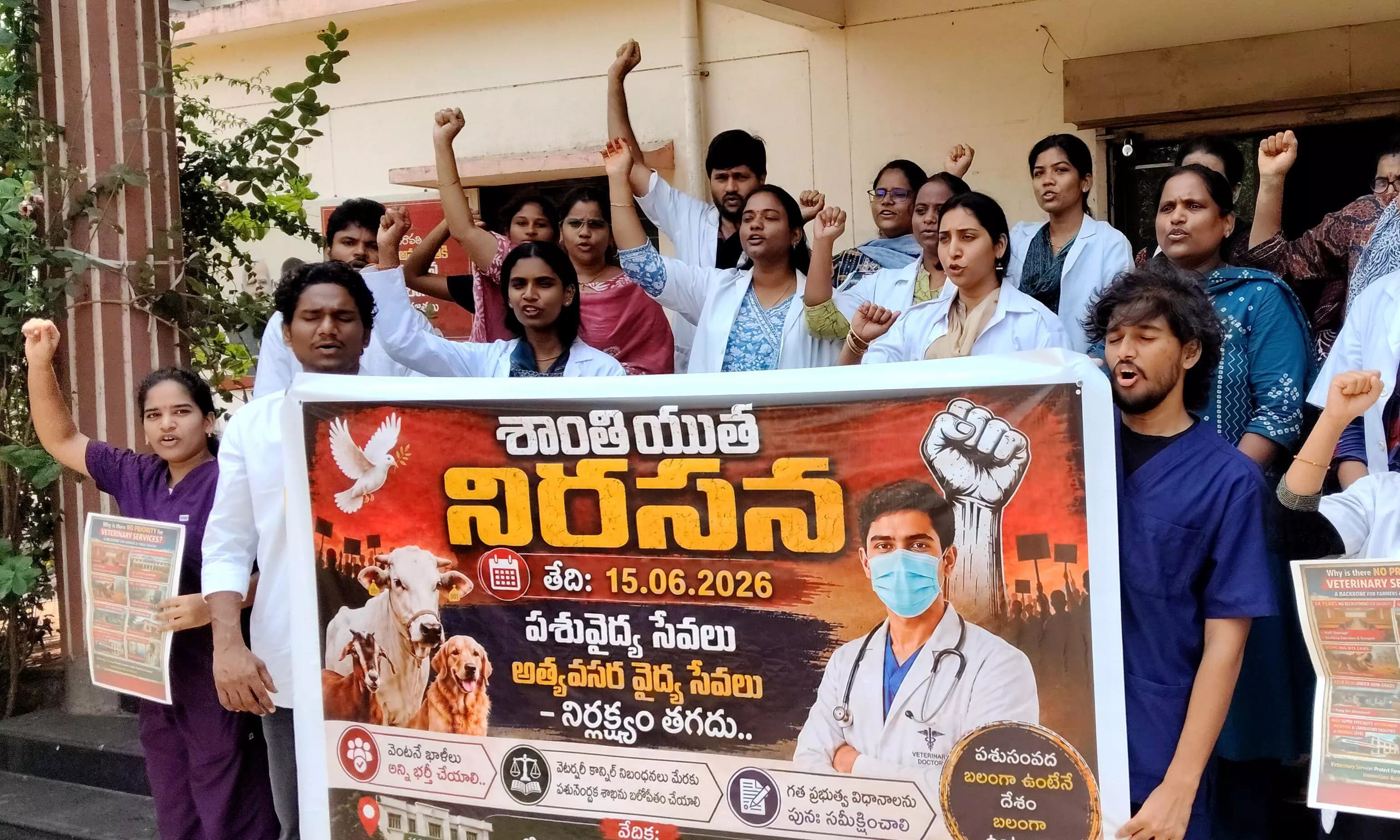
In Alluri Sitarama Raju district of Visakhapatnam, Adivasi Girijana Sangham is protesting against survey permissions for the Kusumavalasa Hydro Power Project. Local Gram Sabhas were not consulted, violating tribal rights and Scheduled Areas protections.
Highlights
- •Adivasi Girijana Sangham's Opposition
- •No Consultation with Gram Sabhas
- •Lawsuits for Tribal Rights Violations
- •Subcontracted Survey Work by Veg Mine Energy LLP
Visakhapatnam, India — A local organization, the Adivasi Girijana Sangham, has raised concerns over the survey permissions granted for the proposed Kusumavalasa Hydro Power Project in the Alluri Sitarama Raju district. The organization claims that these permissions were issued without consulting the Gram Sabhas (village councils) of the indigenous communities.
According to Killo Surendra, state general secretary, the approvals for geological, environmental, and social impact surveys were given by district authorities to officials from the Survey of India and the Geological Survey of India. These permissions have been termed as a violation of tribal rights and legal provisions safeguarding Scheduled Areas.
Mr. Surendra further highlighted that Navayuga Company has taken up the project, with survey work subcontracted to Veg Mine Energy LLP. The complaint centers on official assurances that no construction activity would proceed without Gram Sabha approval being obtained first. However, these were seemingly disregarded by local authorities.
Project and Survey Woes
The ongoing surveys in Kusumavalasa and nearby villages have drawn strong opposition from the Adivasi Girijana Sangham members. They aim to halt all activities until their demands are met, which include immediate cancellation of these survey permissions.
A source close to the project stated that while the primary objective remains power generation, the method has raised serious ethical and legal concerns among environmentalists and tribal representatives who fear the negative impact on local biodiversity and indigenous livelihoods. The delay in approvals is likely to affect the overall timeline of the controversial project.
It is reported that several meetings have already taken place between representatives from both sides, but a resolution has yet to be reached. Legal battles over such projects are not uncommon in India's southern regions, where tribal rights often overlap with developmental needs.