New Delhi WFH Rule and Winter Anti-Pollution Plan Announced for Residents
The Delhi government has unveiled a proactive winter pollution management framework. Key measures include a potential 50% work-from-home mandate, stricter requirements for PUC certificates at fuel stations, restricted entry for non-BS-6 vehicles, and a temporary ban on construction activities to improve air quality.
Highlights
- •The Delhi government is introducing a 50% work-from-home mandate to reduce winter traffic.
- •Vehicles must hold a valid PUC certificate to obtain fuel at petrol pumps.
- •Strict bans on non-BS-6 commercial vehicles entering Delhi apply from November to January.
- •Parking charges will be doubled during the winter season to deter heavy vehicle usage.
To combat the recurring public health crisis caused by severe winter pollution, the Delhi government is proactively implementing a comprehensive Delhi WFH rule and other stringent measures. Recognizing the health hazards posed by hazardous air quality, which frequently leads to respiratory illnesses among residents, officials have introduced the Proactive Winter Air Quality Management Framework.
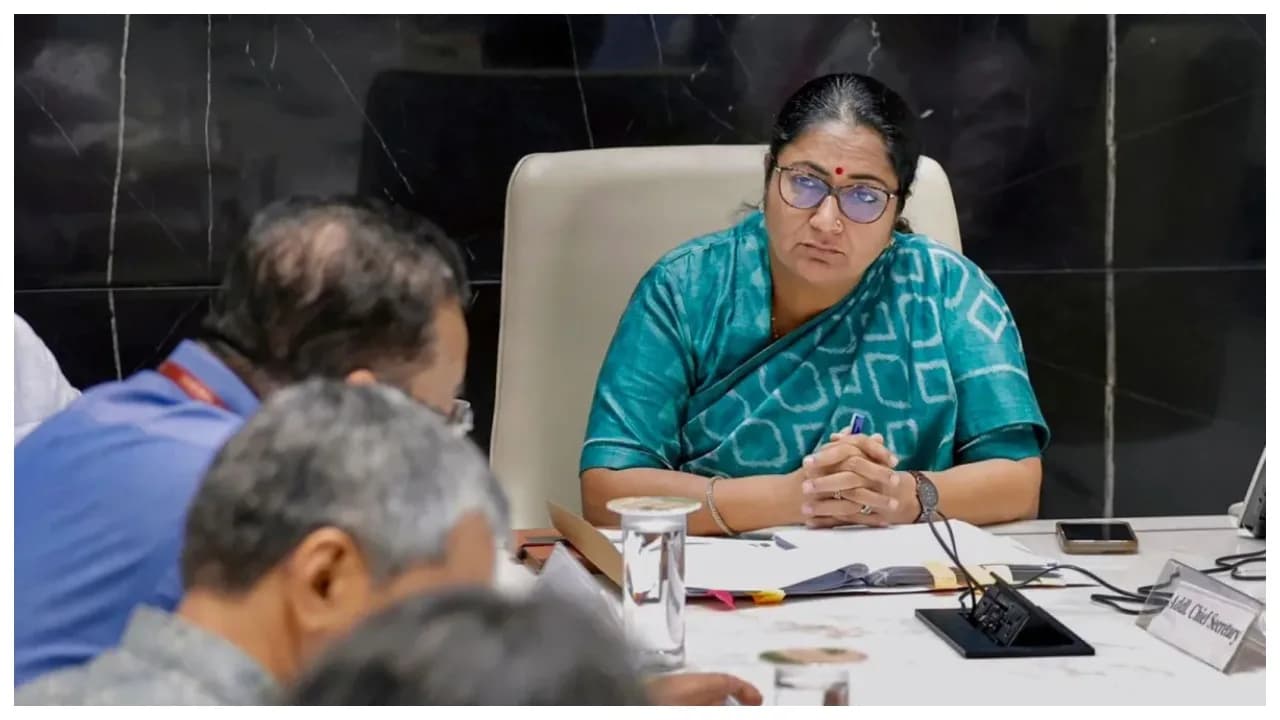
This initiative, announced by Chief Minister Rekha Gupta, aims to mitigate the impact of smog and toxic air during the colder months. The newly drafted regulations are scheduled to remain in effect annually from November 1 to February 28, ensuring that mitigation strategies are active before pollution levels peak.
Key Details of the Delhi WFH Rule and Anti-Pollution Measures
A central component of the administration's strategy involves significant adjustments to daily operations to minimize traffic congestion and overall vehicular emissions. Under the proposed Delhi WFH rule, both private and government sectors may be required to shift to a 50% work-from-home policy. By reducing the number of commuters on the road, the government aims to curb the spike in air pollutants that typically plagues the capital during winter.
Beyond remote work mandates, the government has outlined several other critical enforcement actions to improve air quality:
Fuel Restrictions: Vehicles failing to provide a valid Pollution Under Control (PUC) certificate will be denied refueling services at petrol stations across the city. Authorities have emphasized that strict compliance will be mandatory.
Vehicular Controls: Non-BS-6 commercial vehicles registered outside of Delhi face a potential entry ban from November 1 through January 31, with exceptions likely for CNG, electric, emergency, and essential government-operated transport.
Financial Deterrents and Construction Curbs: To further discourage unnecessary traffic, parking fees at authorized facilities will be doubled between November 1 and February 28. Additionally, to manage dust levels, a moratorium on construction activities is planned from December 10 to January 20.
Waste Monitoring: The administration is intensifying its efforts against the illegal burning of waste. The government intends to utilize advanced technology, including drones and increased field monitoring, to identify and penalize those responsible for burning garbage in open spaces.
These preemptive steps reflect a shift from reactionary emergency measures to a structured, planned approach. By formalizing these regulations in advance, the Delhi government intends to better manage the seasonal pollution burden and safeguard public health across the region.