Kerala Reveal ₹5.07 Lakh Crore Debt in White Paper: A Bleak Financial Outlook
Kerala's heavy debt burden of ₹5.07 lakh crore has come to light in a white paper presented by Chief Minister V.D. Satheesan. The document highlights capital expenditure at just 1.3% and accumulated PSU losses nearing ₹80,000 crore.
Highlights
- •- Kerala reveals ₹5.07 lakh crore debt burden
- •- Salaries and pensions consume 77% of revenue receipts
- •- Capital expenditure is 1.3% of GSDP; lowest in India
- •- PSU losses surge from ₹31,571 crore to ₹78,851 crore
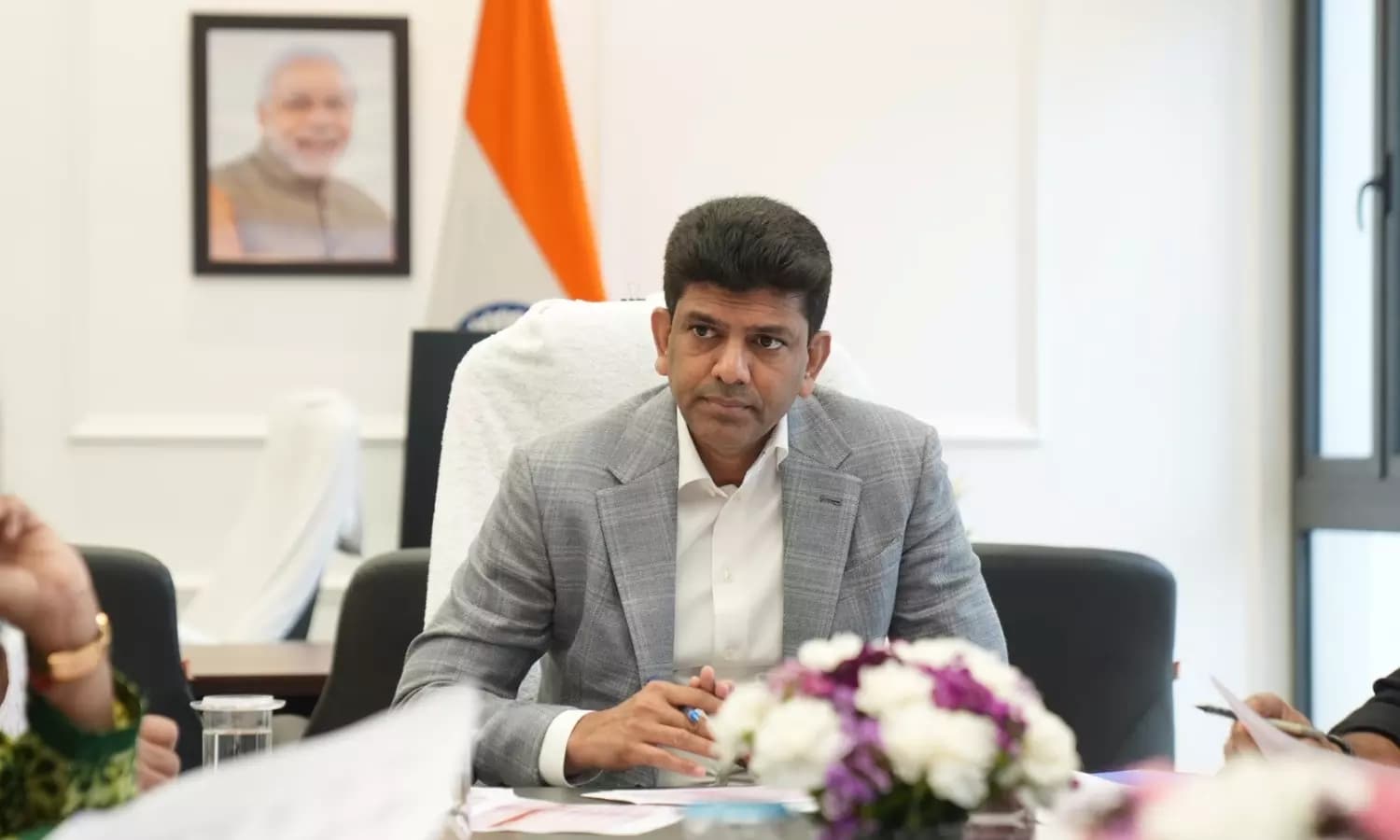
THIRUVANANTHAPURAM, Kerala - Chief Minister V. D. Satheesan presented a white paper on Thursday in the Assembly, detailing the state's financial situation, revealing a whopping debt burden of ₹5.07 lakh crore. The document paints a rather grim picture as salaries and pensions consume 77% of revenue receipts.
Financial Strain in Kerala
Kerala faces an outstanding liability of ₹5.07 lakh crore, with committed expenditures taking up 77% of the state's total revenue receipts (TRR) and interest payments alone accounting for 20.09%. The government reports that capital expenditure is a mere 1.3% of its Gross State Domestic Product (GSDP), one of the lowest in the country. The accumulated losses of public sector undertakings have surged from ₹31,571 crore in 2021-22 to ₹78,851 crore in 2024-25.The Kerala Infrastructure Investment Fund Board (KIIFB) is dealing with a heavy loan liability of ₹21,000 crore while over ₹35,000 crore worth of infrastructure projects remain unfunded. The document also notes that the government has inherited ₹48,733 crore in unpaid liabilities from the previous administration.
The Chief Minister stated, "This white paper serves as a status report on the financial health of the state." He dismissed claims that it was politically motivated, asserting that it had been prepared under the supervision and leadership of the Finance Department and based on publicly available information from budget documents.
Opposition Critiques and Reactions: The ruling United Democratic Front (UDF) faced criticism from the opposition Left Democratic Front (LDF), with K. N. Balagopal arguing that the document was a political attempt to mislead the public. He suggested that confidential internal government accounts may have been shared, violating constitutional procedures.