Iran Prepares for Massive Crowds During Ayatollah Ali Khamenei's Funeral Rites

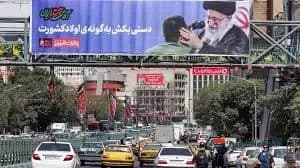
Iran is preparing for massive crowds during Ayatollah Ali Khamenei's funeral, with officials bracing for thousands of potential casualties. The event has turned into a major venue for anti-U.S. protests as the nation navigates a complex period of mourning and high geopolitical tension.
KEY TAKEAWAYS
1 MIN READ- Authorities are preparing for up to 3,000 potential deaths due to extreme crowds during the week-long funeral.
- Around 1,000 new graves have been pre-arranged at the Behesht-e Zahra cemetery in Tehran.
- Funeral processions have become stages for anti-U.S. protests and public expressions of national sentiment.
- Millions are expected to attend ceremonies spanning Tehran, Qom, Karbala, and finally Mashhad on July 9.
As the funeral proceedings for the late former Supreme Leader Ayatollah Ali Khamenei unfold, Iranian authorities are bracing for significant logistical and safety challenges. Reports indicate that government officials are preparing for the possibility of 1,500 to 3,000 fatalities resulting from extreme overcrowding and other potential incidents during the week-long mourning period. In response, roughly 1,000 new graves have been prepared at the Behesht-e Zahra cemetery in Tehran, and specialized units have been established to manage missing persons and emergency situations.
High-Stakes Mourning and Tensions
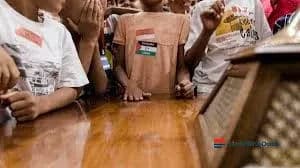
The funeral of Ayatollah Ali Khamenei has also evolved into a platform for intense political expression. During the public viewing held at the Grand Mosalla in Tehran, crowds gathered to pay their final respects, with many participants using the occasion to voice strong opposition against the United States. Anti-American slogans and calls for retribution were frequently heard throughout the ceremonies, reflecting deep-seated regional tensions.
The mourning events, which commenced this past Saturday, are scheduled to culminate in the burial in Mashhad on July 9. Officials anticipate that between 15 to 20 million people may participate in the various ceremonies across the country. Following the public viewing in Tehran, the body is set to be transported through city streets before moving to Qom and later to Karbala, Iraq, for further public viewings.
Governmental Preparations and Regional Security
In addition to the public ceremonies, the political climate remains volatile. While former U.S. President Donald Trump recently made remarks regarding U.S. influence in the region during an event in South Dakota, Iranian officials have issued warnings against miscalculations. The security situation is further complicated by threats surrounding the participation of the current leader, Mojtaba Khamenei, in the final burial rites.
To manage the massive influx of mourners and maintain order, Iranian authorities have effectively brought cities to a standstill, including the suspension of flight operations. The transition of leadership and the surrounding security environment remain a focal point for international observers as the nation navigates this period of national mourning and geopolitical uncertainty.