Iran Warns Vessels Against Bypassing Designated Strait of Hormuz Route
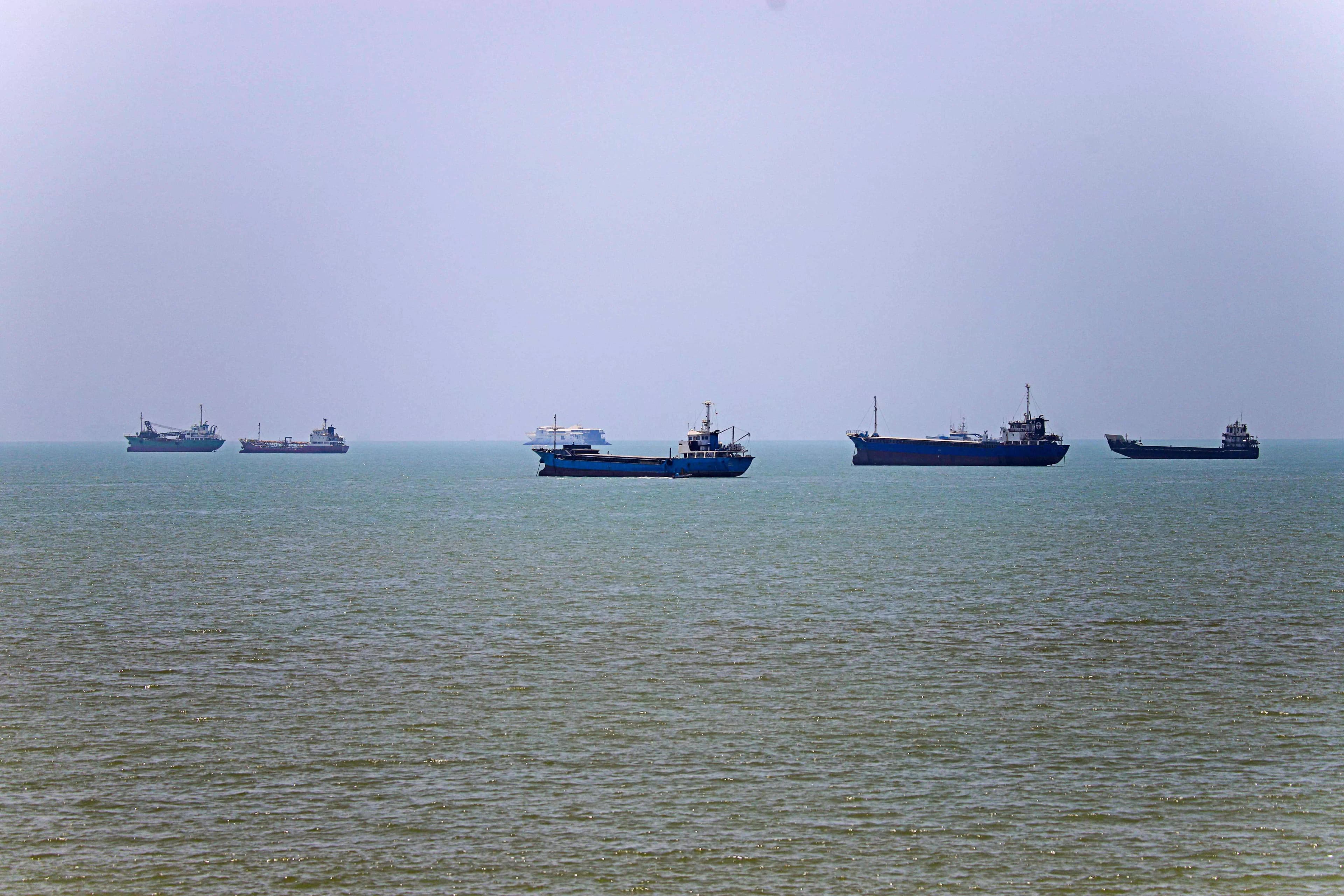
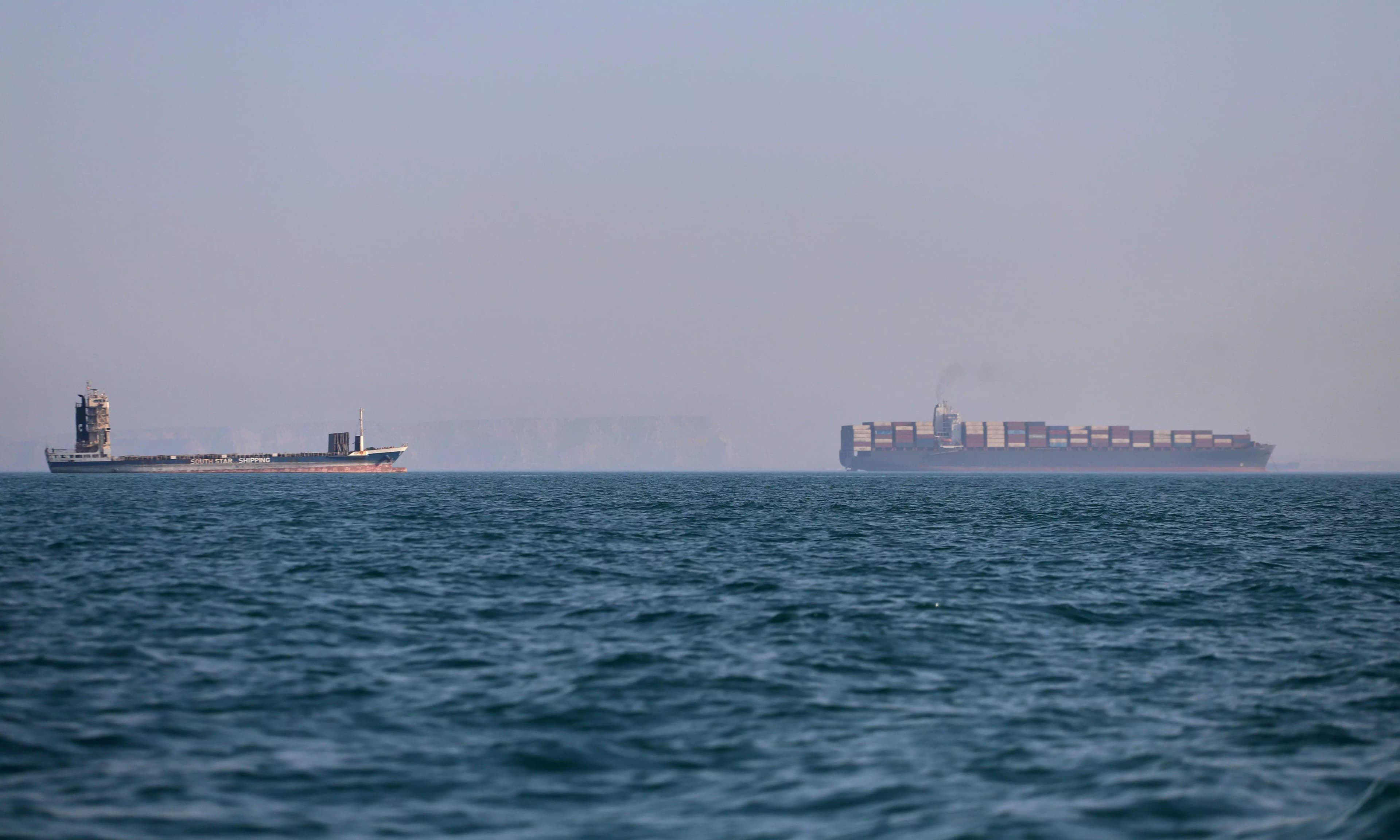
Iran has warned commercial ships that bypassing its designated route through the Strait of Hormuz will increase regional tensions. The situation remains volatile as US and Iranian forces exchange strikes, and broader military operations continue across the Middle East.

Highlights
- •Iran threatens increased tensions if vessels bypass its designated route in the Strait of Hormuz.
- •US forces struck Iranian military targets following ongoing threats to commercial maritime traffic.
- •Tehran retaliated with strikes against US bases located in Kuwait and Bahrain.
- •Israeli forces destroyed a major Hezbollah tunnel in southern Lebanon amid ongoing regional peace negotiations.
Tensions in the Strait of Hormuz have reached a critical point as Iran issues stern warnings to commercial vessels attempting to bypass its preferred maritime corridor. Foreign Minister Abbas Araghchi stated that any move to deviate from the route designated by the Islamic Republic of Iran would only exacerbate regional instability and delay the reopening of this vital global shipping artery.
Rising Maritime Tensions and Military Clashes
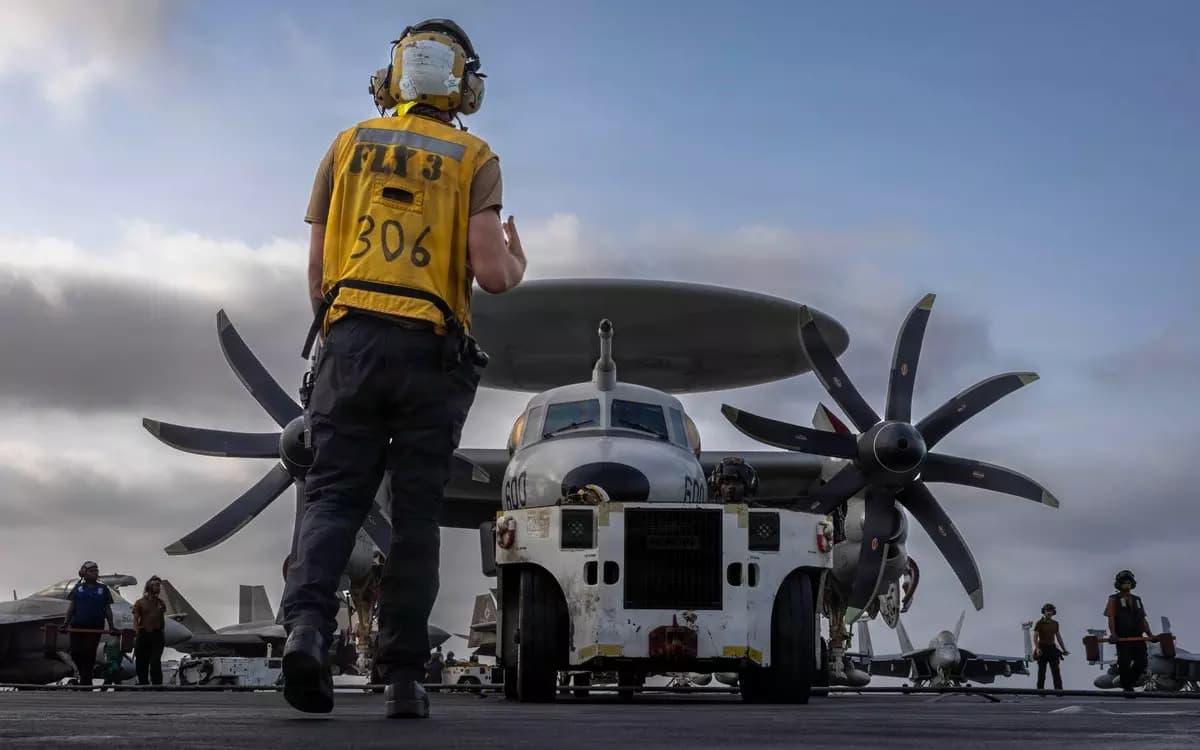
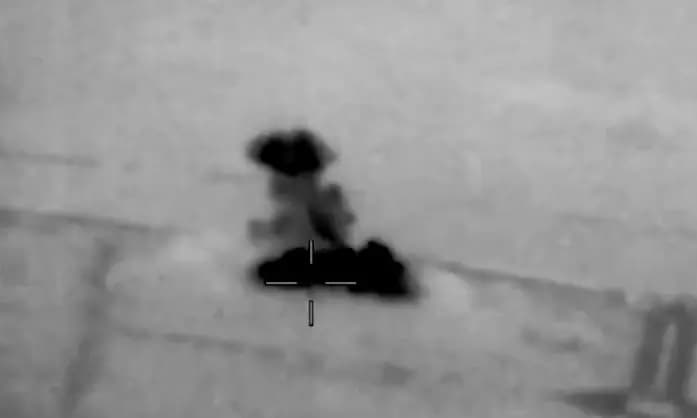
The situation remains volatile, with US and Iranian forces frequently engaging in localized skirmishes. Recently, US Central Command (CENTCOM) reported conducting strikes against ten Iranian military installations in response to ongoing aggression toward commercial shipping. In retaliation, Tehran confirmed it launched attacks against military bases located in Kuwait and Bahrain, both of which have formally condemned the actions. These exchanges highlight the fragility of the peace brokered by Pakistan earlier this year, which intended to halt hostilities that began in February.
The core of the current dispute involves Oman's recent announcement of an alternative transit route through the Strait of Hormuz. This route, developed in conjunction with the International Maritime Organization, follows the Omani coastline, bypassing the corridor preferred by Iran. Since Tehran has maintained strict control over the strait to leverage its economic influence, the emergence of this alternative path has been met with hostility. Mohammad Mokhber, an adviser to Iran's supreme leader, emphasized that as long as Tehran manages the waterway, the United States would fail in its alleged regional objectives.
Wider Regional Conflict and Diplomatic Challenges
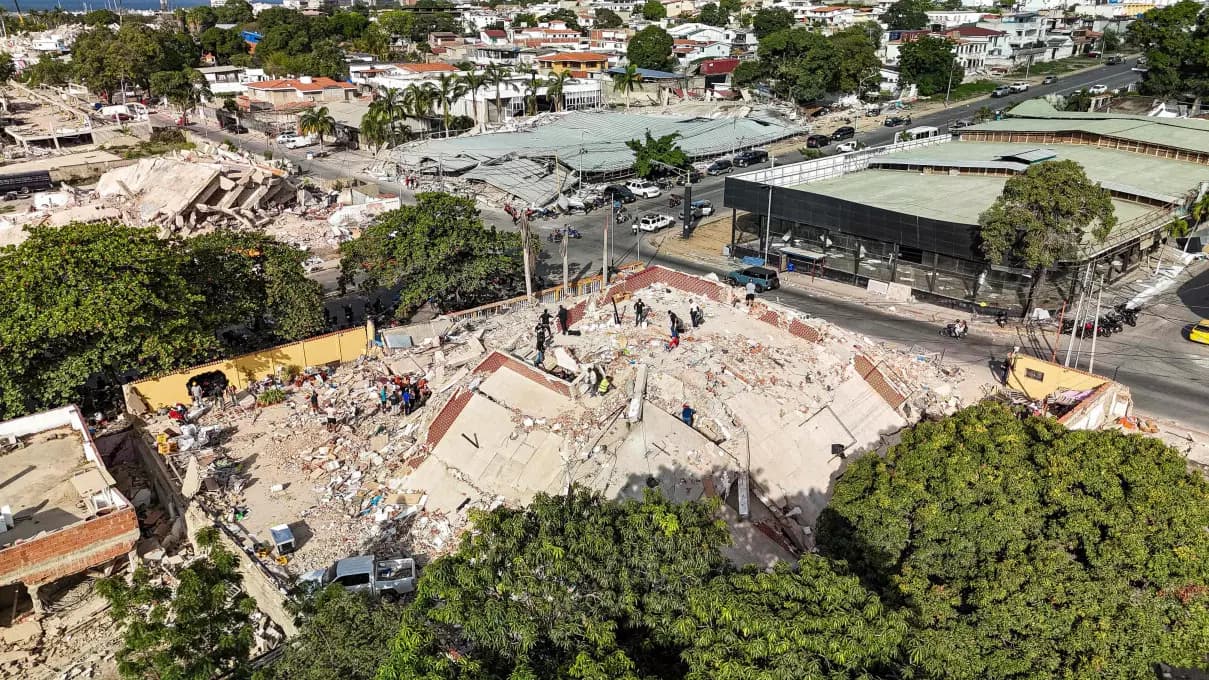
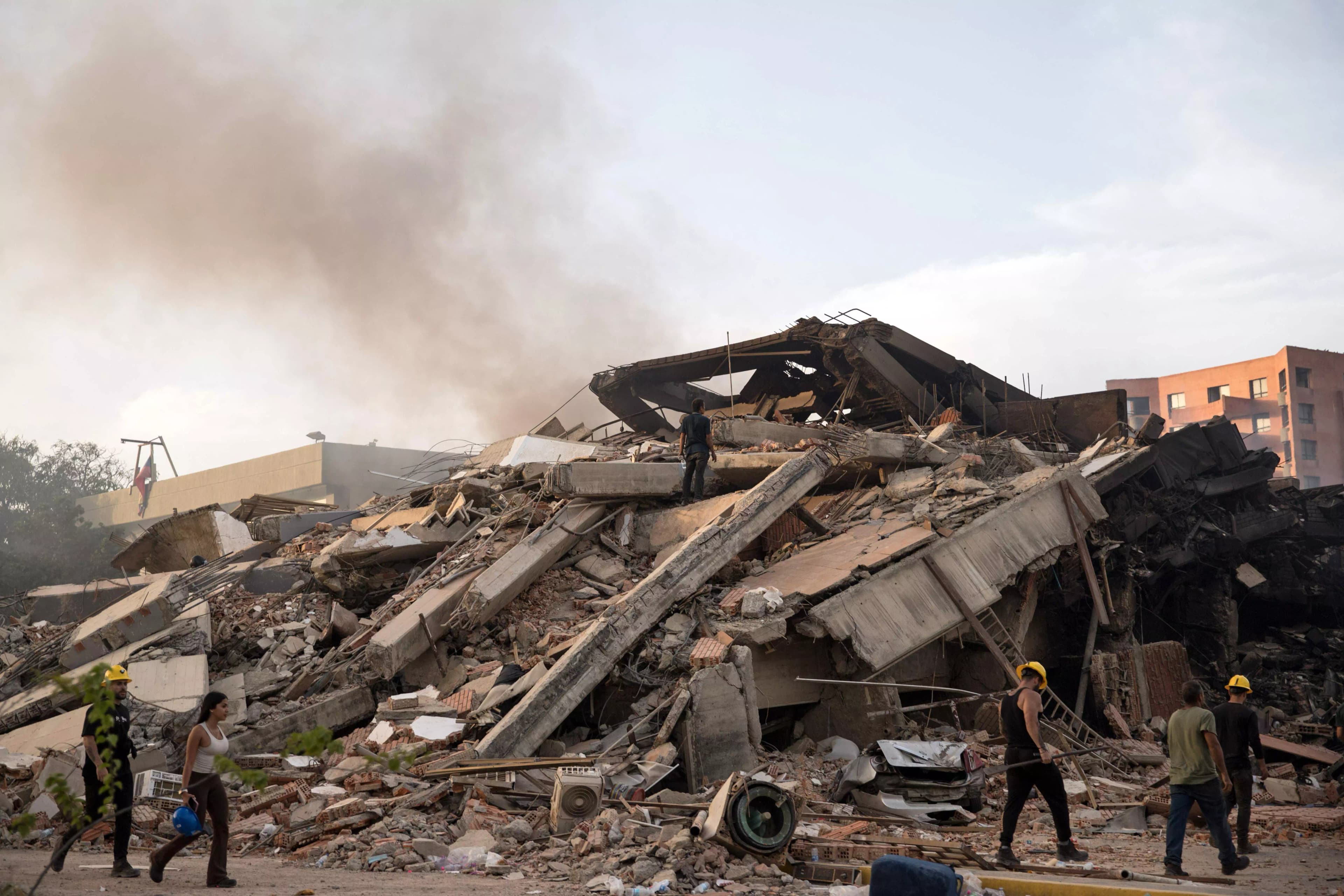
While the focus remains on the Strait of Hormuz, the broader conflict continues to impact civilians. Qatar's interior ministry reported the death of one of its citizens, who was killed by shrapnel during military operations in the area. Furthermore, the situation remains complicated by the ongoing struggle involving Israel and Hezbollah. Prime Minister Benjamin Netanyahu and Defence Minister Israel Katz recently announced the destruction of an extensive 200-metre tunnel in southern Lebanon, which was allegedly designed for launching attacks against Israel.
Despite a US-mediated framework agreement signed in Washington to pave the way for peace, domestic political pressure in Lebanon is mounting. Hezbollah lawmaker Hassan Fadlallah has expressed concerns regarding internal conflict over the agreement, suggesting that the deal may face significant implementation challenges. As regional powers continue to navigate these complex military and diplomatic landscapes, analysts suggest that the pressure surrounding the transit of the Strait of Hormuz will likely remain a persistent point of contention.