Iran Missile Programme Not Included in US Agreement: President Pezeshkian
President Masoud Pezeshkian confirmed that Iran's missile programme is not part of the 14-point memorandum of understanding with the US. He defended the programme as a crucial defense component, noting that recent diplomatic negotiations did not include any constraints on conventional missile capabilities.
Highlights
- •President Masoud Pezeshkian confirmed the missile programme is excluded from the 14-point US-Iran MoU.
- •The president described the missile capabilities as essential for deterring potential foreign military aggression.
- •The 14-point agreement primarily focuses on the Strait of Hormuz, financial relief, and nuclear program talks.
- •Recent diplomatic shifts indicate the US focus has moved away from prioritizing missile constraints during current negotiations.
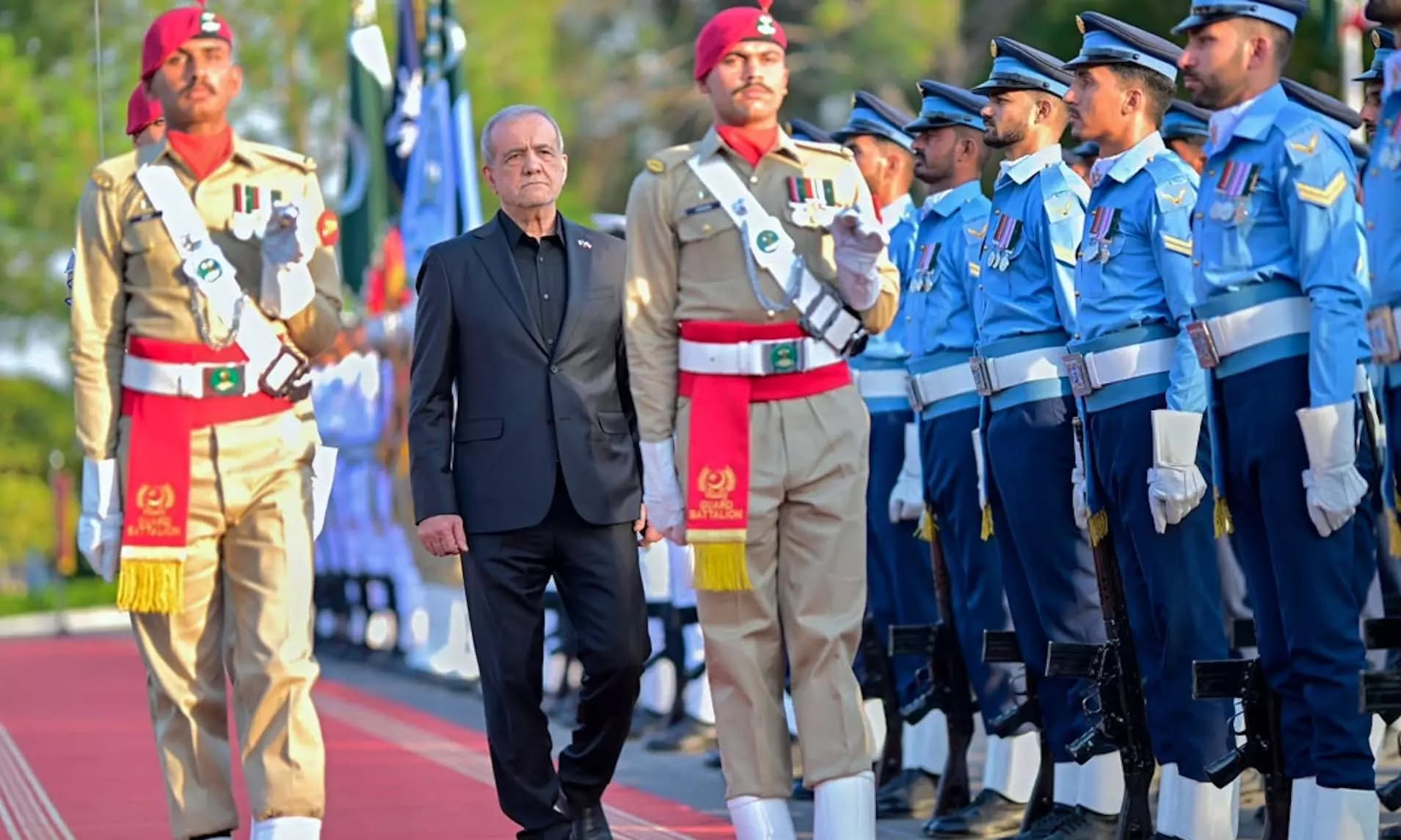
Iranian President Masoud Pezeshkian has definitively stated that the nation's missile programme remains outside the scope of the 14-point memorandum of understanding (MoU) recently established with the United States. During an official visit to Pakistan, the president emphasized that this defense capability will not be integrated into any future bilateral agreements.
Addressing the media in Islamabad, Pezeshkian explained that the agreement, which emerged following technical negotiations in Switzerland, focuses on regional stability and specific diplomatic concessions. He rejected any suggestion that Iran’s defensive military technology was a point of negotiation or compromise within this framework.
Strategic Importance of the Missile Programme
The Iranian president defended the missile programme as a critical pillar of the country's national defense architecture. He suggested that without these advanced defensive assets, the Islamic Republic would have faced significant aggression from foreign powers, specifically naming the United States and Israel. According to his remarks, these capabilities serve as a vital deterrent against potential military devastation.
The 14-point document, which was recently released for public scrutiny, centers on several key regional and economic issues. These include protocols for reopening the Strait of Hormuz and the gradual easing of specific financial sanctions previously imposed on the nation. Additionally, the agreement sets clear parameters for forthcoming technical dialogues regarding the future of Iran's nuclear programme.
Notably, the official text of the agreement does not contain any language that mandates constraints on Iran's conventional military or ballistic missile developments. The document contains only one specific provision related to armaments, which is a formal commitment from Iran to abstain from the procurement or development of nuclear weaponry.
Diplomatic Shifts and Global Reactions
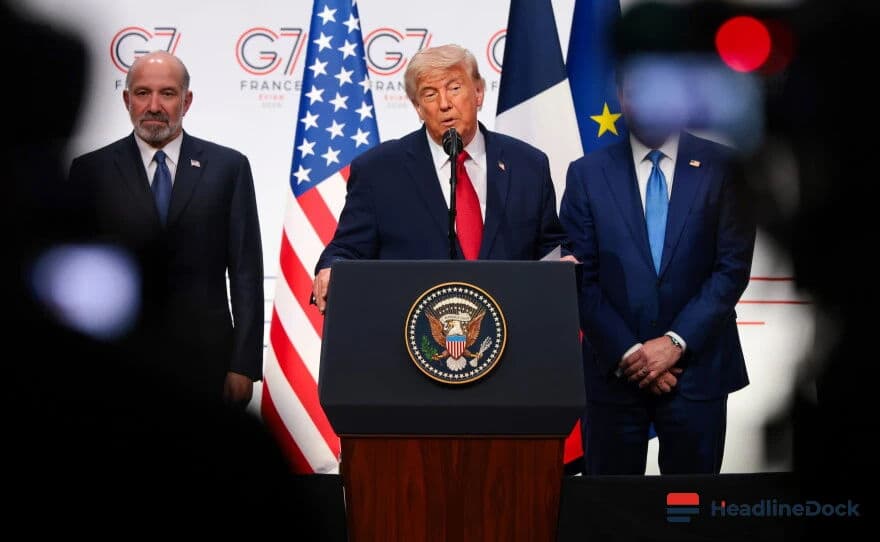
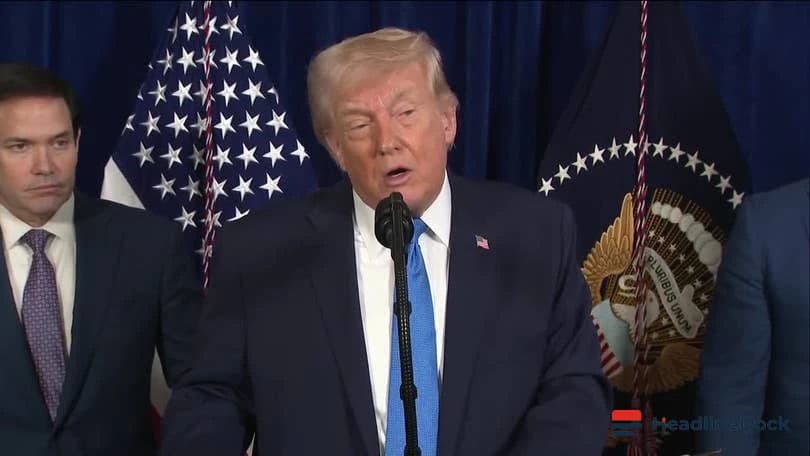
The stance on the missile programme appears to be a point of divergence in recent diplomatic efforts. While previous rhetoric from US President Donald Trump frequently framed the limitation of Iranian missile capabilities as a primary justification for military and diplomatic pressure, recent shifts suggest a potential change in focus. At the recent G7 Summit held in France, the American leadership indicated a de-escalation in its rhetoric, stating that missiles were no longer the primary issue of concern in the ongoing dialogue.
As Iran continues to navigate the implications of the 14-point agreement, the clarification provided by President Pezeshkian underscores the government’s firm boundary regarding its sovereign defense strategy. The international community continues to monitor how these developments will influence regional security and future diplomatic exchanges between Tehran and Washington.