Iran Launches Fresh Attacks on Bahrain and Kuwait Amid Escalating U.S. Conflict
Iran has initiated new drone and missile attacks on Bahrain and Kuwait in retaliation for U.S. airstrikes. The escalating regional conflict, centered on navigation rights in the Strait of Hormuz, now threatens the viability of ongoing diplomatic negotiations to end the war.
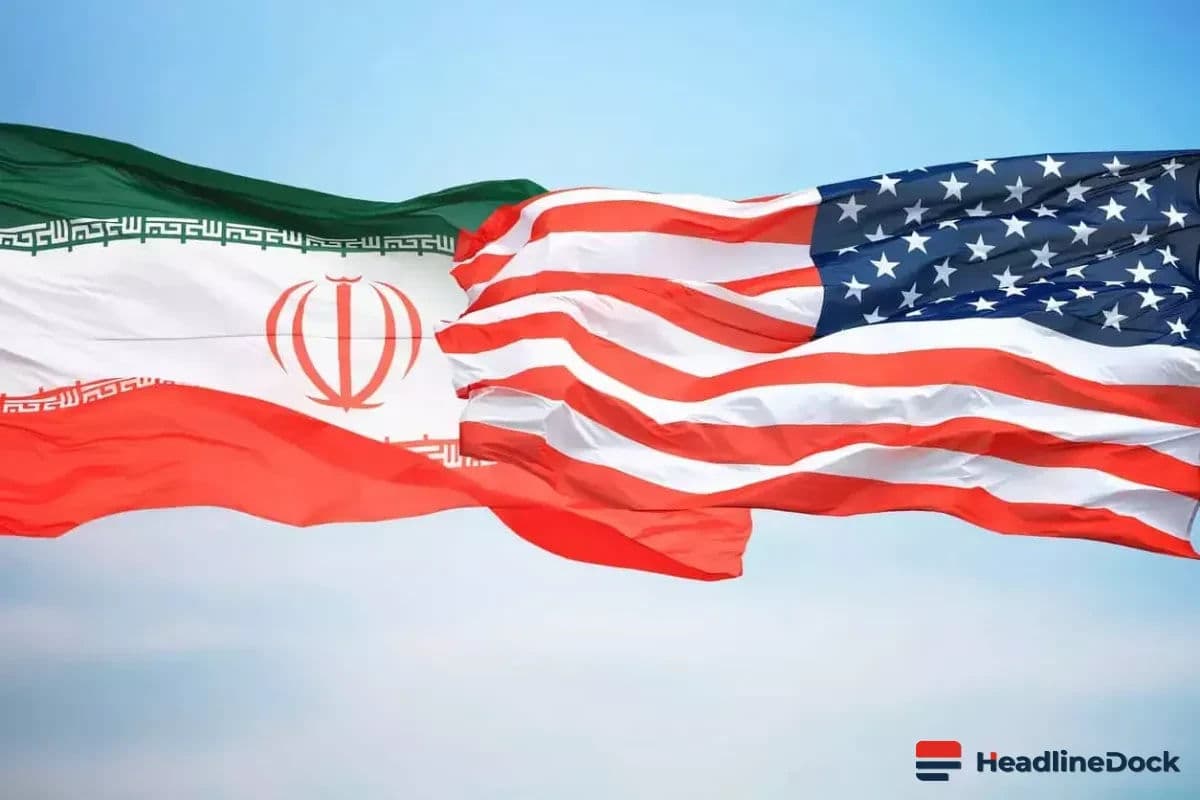
Highlights
- •Iran launched new drone and missile strikes against Bahrain and Kuwait following U.S. airstrikes.
- •Tehran warned that continued U.S. aggression could halt ongoing diplomatic negotiations.
- •Tensions remain high over navigation rights and oversight in the vital Strait of Hormuz.
- •Diplomatic efforts involve mediation by Pakistan as regional conflict impacts Lebanon and Syria.
Tensions in the Middle East have escalated significantly as Iran launched fresh drone and missile attacks targeting Bahrain and Kuwait on Sunday. This military action follows a series of recent U.S. airstrikes against the Islamic Republic, further intensifying the ongoing regional conflict. Tehran has warned that any continued aggression from Washington could lead to a complete breakdown in diplomatic negotiations aimed at ending the war.
Rising Conflict and Regional Security Concerns
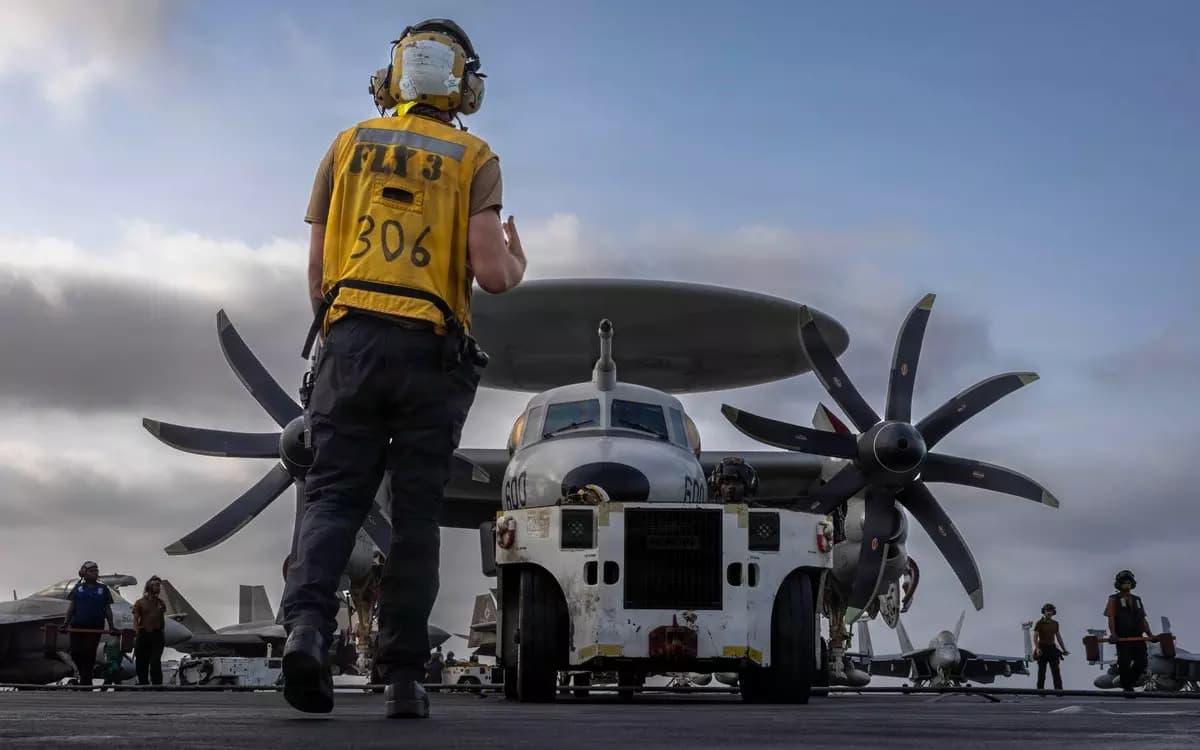
The core of the recent friction involves efforts to manage navigation through the Strait of Hormuz, a critical waterway for global energy supplies. Iranian Foreign Minister Abbas Araghchi maintains that Iran must exercise oversight of the strait. He cautioned that attempts to establish separate maritime arrangements—such as those currently being expanded by a multinational body overseen by the U.S. Navy near Oman—will only lead to further complications, delay the reopening of the route, and heighten regional instability.
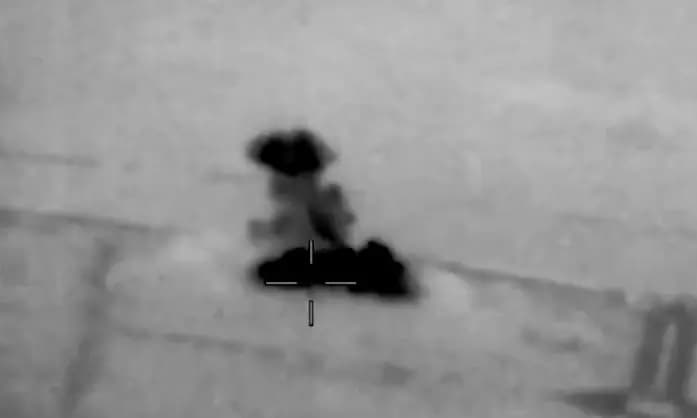
In response to the recent skirmishes, the U.S. military confirmed it targeted Iranian surveillance infrastructure, communication systems, and air defense sites. U.S. President Donald Trump stated that these strikes were a direct reaction to attacks on merchant vessels. Furthermore, he accused Iran of violating the terms of their interim deal and warned that if these hostilities persist, the United States may be forced to take decisive military action to complete the objective.
Impact on Regional Stability and Diplomatic Channels
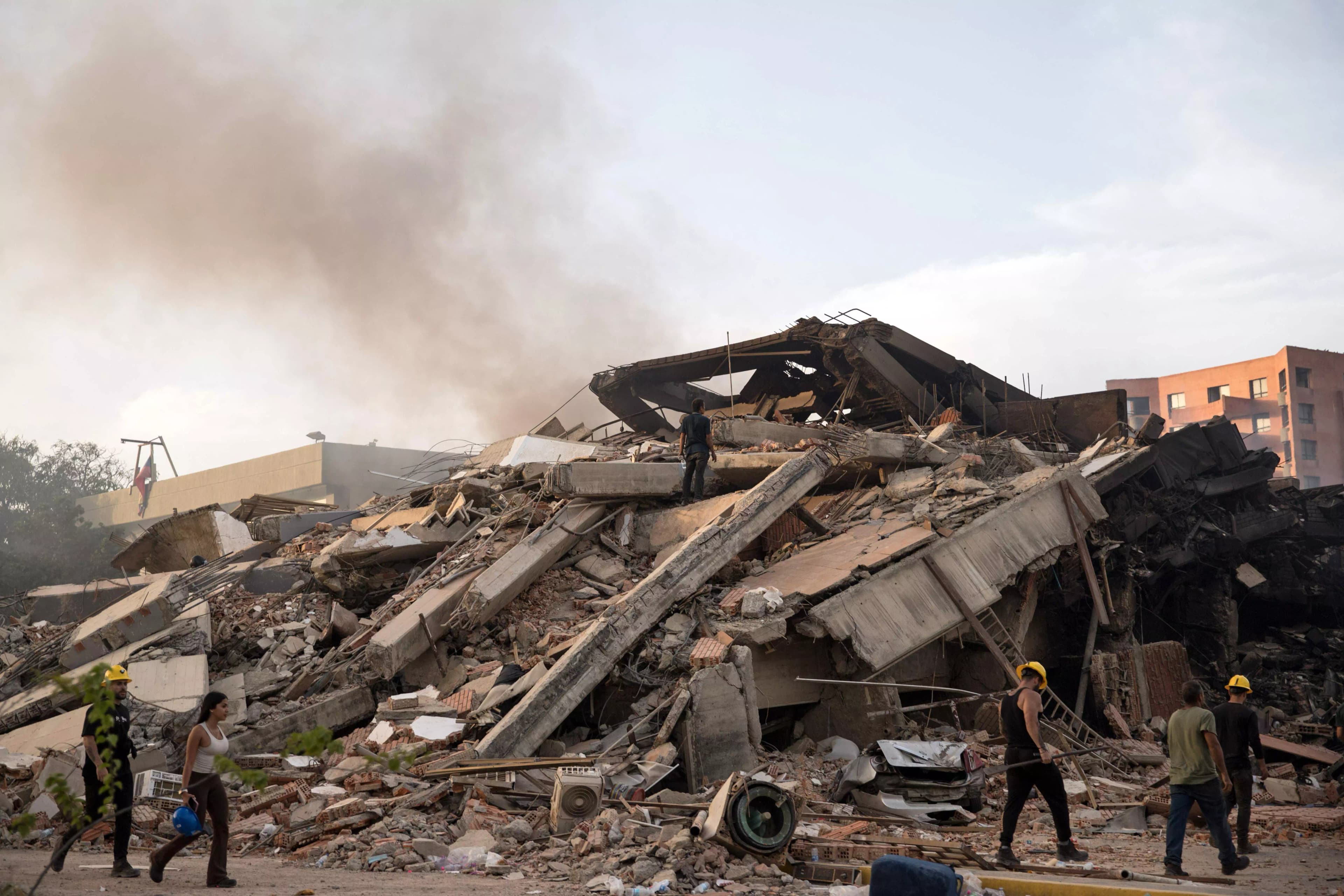
The impact of the Iran attacks has been felt across the Gulf states. Kuwait, which serves as a host for major U.S. military installations, reported that its air defenses successfully intercepted Iranian drones and missiles following the U.S. strikes. Similarly, Bahrain confirmed that strikes damaged a residential area near its international airport, though no casualties were reported. The Bahraini Foreign Ministry condemned the events as a deliberate and systematic pattern of aggression.
Meanwhile, diplomatic efforts remain fragile. Pakistan continues to act as a key mediator, with discussions regarding the interim deal between the U.S. and Iran tentatively scheduled for Tuesday. However, the situation remains complicated by ongoing violence in Lebanon, where Israeli forces continue to operate. Mohammad Bagher Qalibaf, Iran’s parliament speaker, has called for the urgent formation of a tripartite “conflict control unit” involving Iran, the United States, and Lebanon to manage the crisis. As clashes continue to impact local towns such as Taybeh and Nabatiyeh, the potential for a wider regional conflict continues to challenge international peace efforts.