UN Report Details High Scale of Child Fatalities in Gaza Conflict
A UN commission report has exposed the staggering number of child fatalities in Gaza, alleging deliberate targeting and systemic attacks on essential infrastructure. These findings raise grave concerns about war crimes and potential international legal accountability for the protection of children.

Highlights
- •The UN report documents over 20,000 Palestinian children killed in Gaza since October 2023.
- •Findings suggest evidence of deliberate targeting of children by sniper and drone fire.
- •Widespread attacks on essential infrastructure have severely crippled medical care and child survival.
- •The report highlights potential breaches of international law, including war crimes and crimes against humanity.
A disturbing new United Nations report has highlighted the unprecedented scale of child fatalities in Gaza since the conflict began in October 2023. This international documentation has sparked significant legal questions regarding potential war crimes and the obligations of occupying powers to protect the most vulnerable during wartime.
Understanding the UN Investigation
The UN Independent International Commission of Inquiry on the Occupied Palestinian Territory, including East Jerusalem and Israel, conducted this extensive investigation. Tasked with examining human rights violations, the body requested information from various stakeholders. While the State of Palestine and the Gaza Ministry of Health provided responses, the Israeli government did not participate, and it has since rejected the findings of the report entirely.
The commission’s analysis reveals that over 20,000 children have lost their lives, and more than 44,000 have suffered injuries. Experts, including those from UNICEF, have characterized Gaza as the most dangerous environment globally for children. These alarming figures underscore the severe impact of ongoing military operations on non-combatants.
Evidence of Deliberate Targeting
Perhaps the most serious aspect of the report is the documentation suggesting that many children were not merely victims of indiscriminate fire, but were deliberately targeted. The investigators found evidence of specific injuries from single shots, often to the head or upper torso, consistent with sniper or drone activity. Medical personnel in the region reported disturbing patterns of violence, leading the commission to conclude that there are reasonable grounds to believe these actions were intentional.
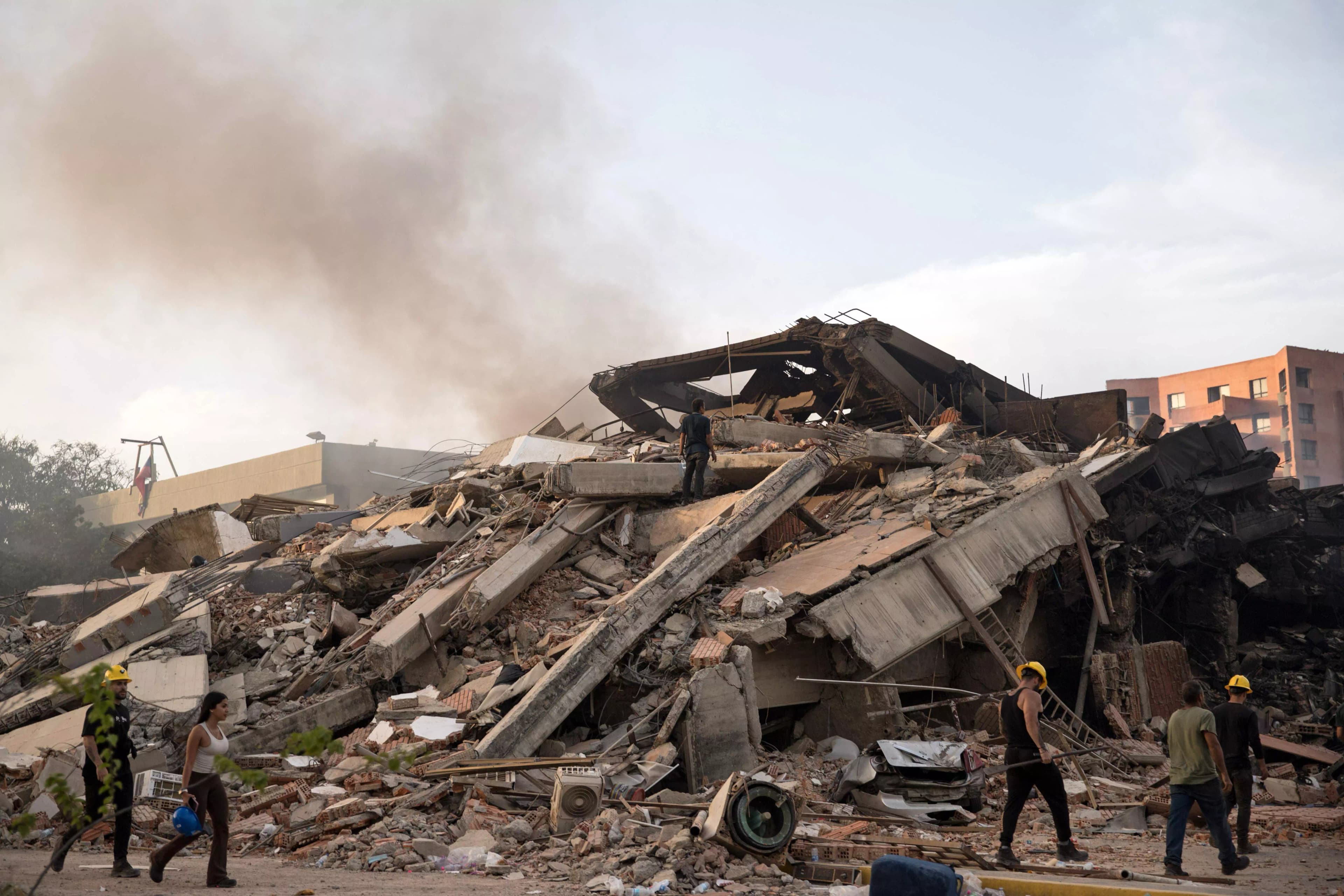
Beyond direct violence, the report documents widespread systemic attacks on infrastructure essential for child survival, such as schools, orphanages, and medical facilities. These strikes have severely hampered pediatric and neonatal care, leading to long-term health consequences and educational collapse. Furthermore, the document highlights patterns of arbitrary detention, torture, and sexual abuse against minors within the conflict zone.
The legal implications are substantial. Under international humanitarian law, particularly the Fourth Geneva Convention, occupying powers are obligated to ensure the safety and wellbeing of civilians. The findings raise critical questions regarding the principles of distinction, proportionality, and the duty to take all feasible precautions to minimize civilian harm. If substantiated, these acts could be classified as war crimes or crimes against humanity.
This report serves as a foundational piece of evidence that could influence future international legal proceedings, including investigations by the International Criminal Court and deliberations at the International Court of Justice. By reframing the conflict through the lens of obligations owed to children, the findings present a significant challenge to the international legal framework governing the protection of civilians during times of war.