India-US Trade Pact Faces Tariff Delays; Deal Targeted Before July 24 Deadline
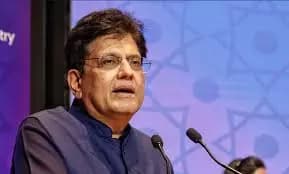
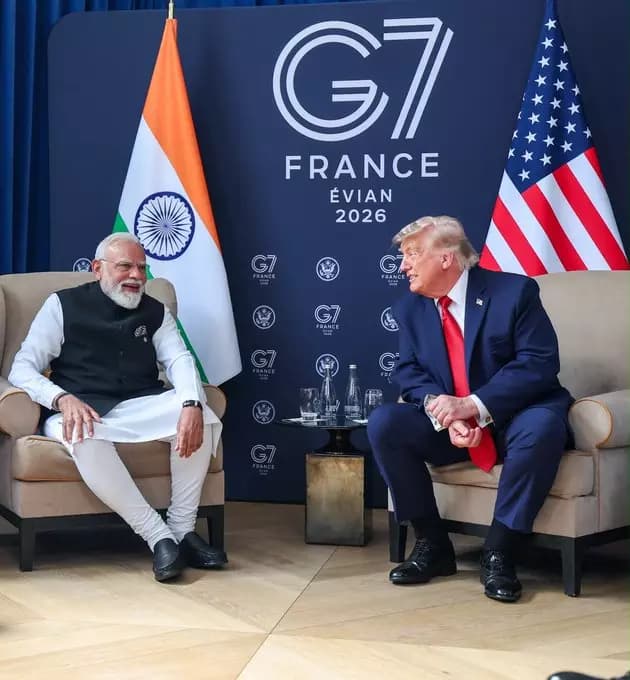
Negotiations for an India-US trade pact continue as both nations aim to resolve tariff issues. Commerce Minister Piyush Goyal is striving to complete the first phase of the agreement before July 24, following recent high-level talks between Prime Minister Modi and President Trump.

Highlights
- •Negotiations for the India-US trade pact are currently facing delays due to tariff-related disagreements.
- •Commerce Minister Piyush Goyal aims to finalize the first phase of the deal before the July 24 deadline.
- •US Trade Representative Jamieson Greer has arrived in New Delhi for critical high-level trade discussions.
- •The talks follow a June 17 meeting between Prime Minister Narendra Modi and President Trump at the G7 summit.
Trade negotiations between India and the United States are experiencing delays, primarily due to ongoing discussions regarding tariff structures. Despite these challenges, there is growing optimism that a initial India-US trade pact could be finalized before July 24. Commerce Minister Piyush Goyal recently highlighted that while talks are taking longer than initially anticipated, both nations remain committed to reaching a mutually beneficial agreement.
Government officials have indicated that Piyush Goyal is actively seeking a deal that secures a competitive tariff advantage for India compared to other regional economies. The objective is to enhance market access for Indian exporters. A significant point of discussion involves addressing concerns over potential new tariffs that might be imposed by Washington following the conclusion of the current deal, reflecting India's cautious approach to long-term trade security.
Advancing the India-US Trade Pact
The urgency of the situation is underscored by an upcoming deadline, as the United States' temporary 10 percent tariff on various trading partners is set to expire on July 24. Piyush Goyal expressed a strong preference for finalizing the first phase of the agreement before this date. To facilitate this progress, US Trade Representative Jamieson Greer is scheduled to hold extensive meetings in New Delhi throughout this week.
This diplomatic engagement follows high-level discussions between Prime Minister Narendra Modi and President Trump, who met on June 17 during the G7 summit in France. These leadership talks have provided a necessary framework to move the proposed bilateral trade agreement closer to completion. US Ambassador to India Sergio Gor confirmed that the upcoming sessions are designed to finalize the terms of the first phase of the deal.
The complexity of the negotiations is further amplified by Section 301 investigations led by the USTR. Analysts suggest that the United States is leveraging these investigations to encourage India to liberalize its markets, particularly in energy, defense, and agricultural sectors. Previously, in February, both parties had reached a preliminary understanding involving 18 percent tariffs on certain Indian goods, provided that India reduced its existing trade barriers and increased procurement of American products. However, that agreement faced setbacks following judicial rulings in the United States regarding global tariff policies. Both nations are now working diligently to navigate these complexities and finalize a sustainable path forward for bilateral commerce.