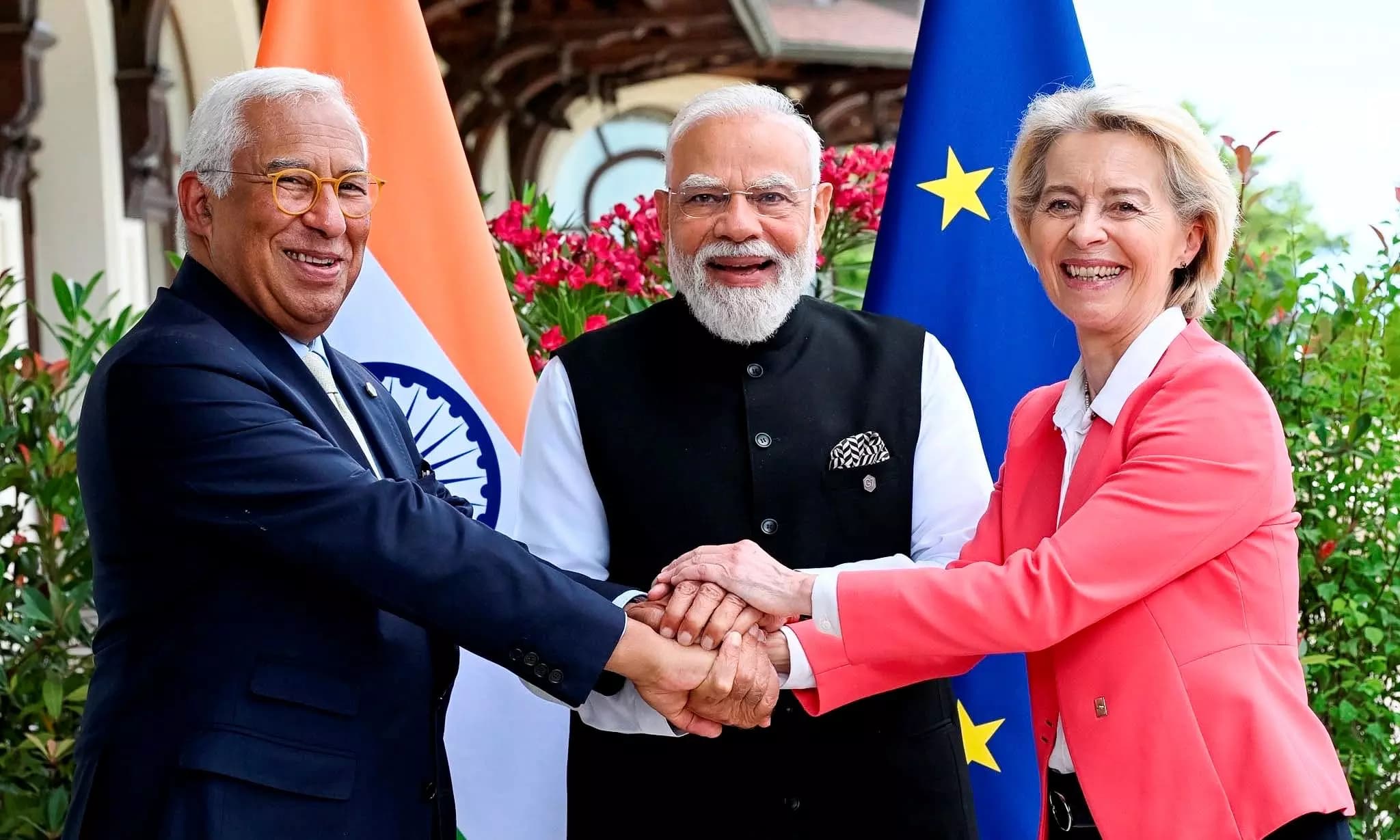
India-UK Trade Deal Set to Provide Export Benefits from July 15
The India-UK Comprehensive Economic and Trade Agreement will commence on July 15, 2026, providing significant export concessions and zero-duty access. The deal secures long-term market access and includes a five-year social security contribution exemption for Indian professionals working in the UK.
Highlights
- •The India-UK CETA will officially take effect on July 15, 2026, offering immediate export benefits.
- •The deal opens a market worth over USD 500 billion, with 99 per cent of trade lines moving to zero duty.
- •Indian professionals in the UK will benefit from a five-year exemption under the updated Double Contribution Convention.
- •Steel sector concerns have been mitigated with concessions on 188 tariff lines, protecting 85 per cent of India's steel exports.
The landmark India-UK Comprehensive Economic and Trade Agreement (CETA) is set to become operational on July 15, 2026. This significant economic pact aims to streamline bilateral commerce, with the government actively finalizing customs notifications to ensure that exporters can begin accessing new concessions from the very first day of implementation. This India-UK trade deal represents a major milestone in strengthening the economic ties between the two nations.
Strategic Benefits and Market Access
Official assessments highlight the India-UK trade deal as a highly aspirational agreement, potentially unlocking a market valued at over USD 500 billion for businesses across India. Under the terms of this comprehensive framework, more than 99 per cent of trade and tariff lines are expected to reach zero-duty status. This development provides Indian exporters with a crucial tariff advantage of 7-10 per cent, effectively placing them on a level playing field with other nations that already enjoy duty-free access to the United Kingdom.
Recent data underscores the robust nature of this relationship. In 2024, service exports from India to the UK were valued at USD 21.6 billion, while UK service exports to India totaled USD 13.7 billion. Furthermore, merchandise exports reached USD 13.7 billion in 2025 against imports of USD 9.47 billion. With over 900 Indian companies currently operating within the UK, the agreement is poised to foster deeper industrial collaboration.
Addressing Industrial Concerns and Social Security
During the negotiations, specific challenges regarding steel safeguard measures were successfully addressed. Officials have confirmed that approximately 85 per cent of steel exports from India will remain unaffected by these measures, with favorable concessions negotiated across 188 distinct tariff lines. While the broader dispute at the World Trade Organization (WTO) concerning these measures remains ongoing, the current arrangement ensures that long-term market access is protected.
Additionally, the agreement includes a vital provision regarding the Double Contribution Convention (DCC). The United Kingdom has agreed to extend the benefit period from three years to five years, a key request from the Indian government. This measure will exempt eligible Indian professionals temporarily working in the UK from paying double social security contributions. By removing this financial burden, the move is expected to significantly enhance the competitiveness of both Indian companies and their workforce abroad.
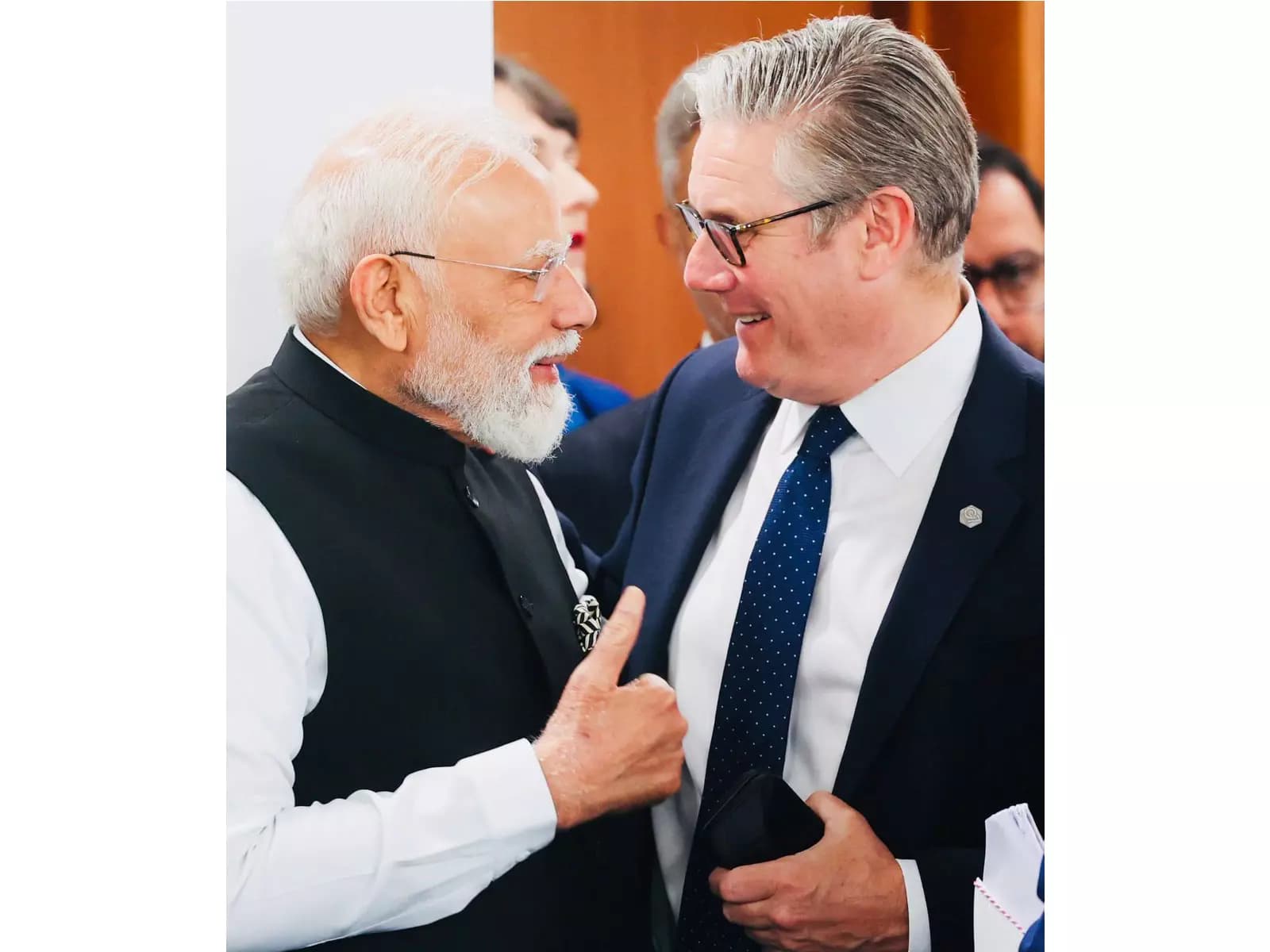
As both nations look toward a future of closer economic integration, the finalized terms—endorsed by Prime Minister Narendra Modi and Prime Minister Keir Starmer—mark a new chapter. Discussions regarding the UK's potential Carbon Border Adjustment Mechanism (CBAM) are continuing, though the regulation remains in internal deliberation, ensuring no immediate impact on this trade framework.