India and US Prepare for Crucial Trade Talks as Tariff Deadline Looms
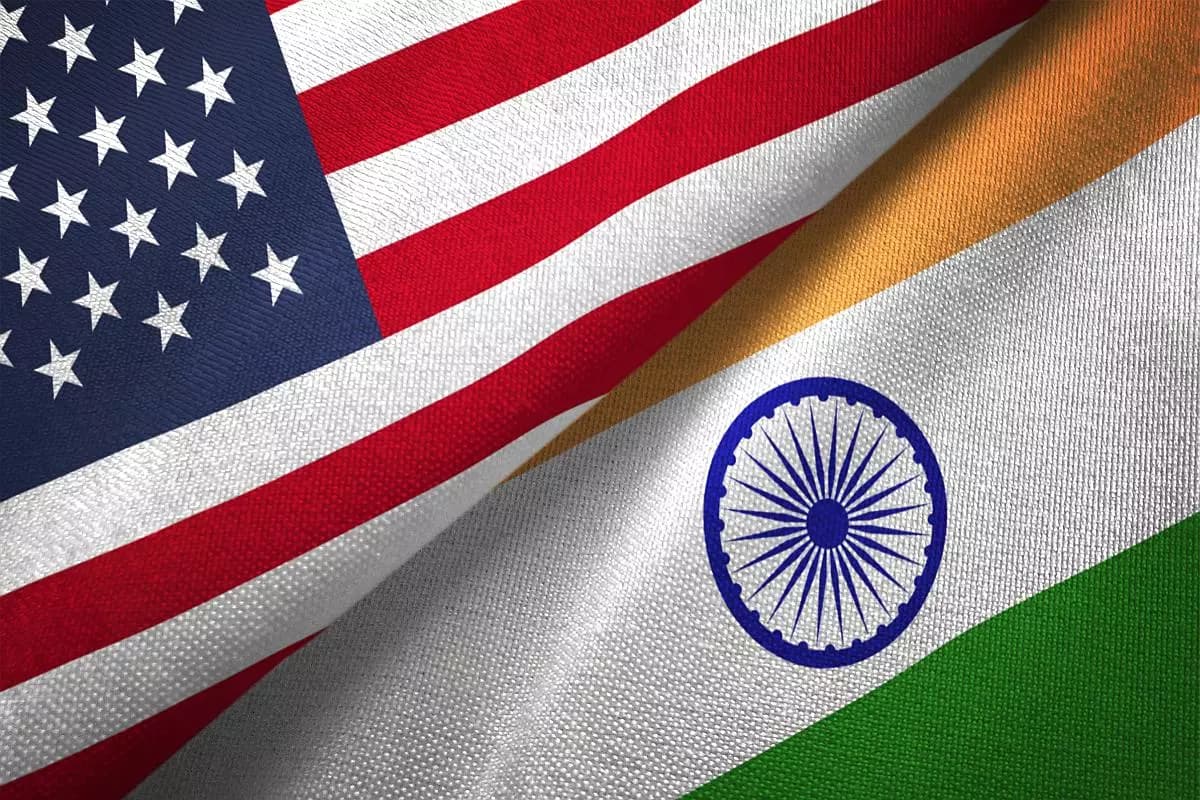
India and the US are meeting in New Delhi for critical trade negotiations to finalize an interim bilateral agreement. The talks aim to address tariff concerns and trade policy before the July 24 expiration of temporary US import duties, strengthening economic ties between the two nations.

Highlights
- •Piyush Goyal and Jamieson Greer to hold two-day trade talks in New Delhi.
- •Discussions focus on an interim Bilateral Trade Agreement (BTA) framework.
- •Urgency stems from the July 24 expiration of temporary US import tariffs.
- •India seeks competitive tariff advantages over rival manufacturing nations like Vietnam.
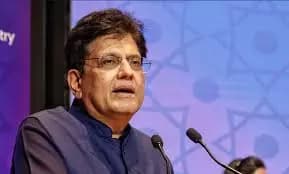
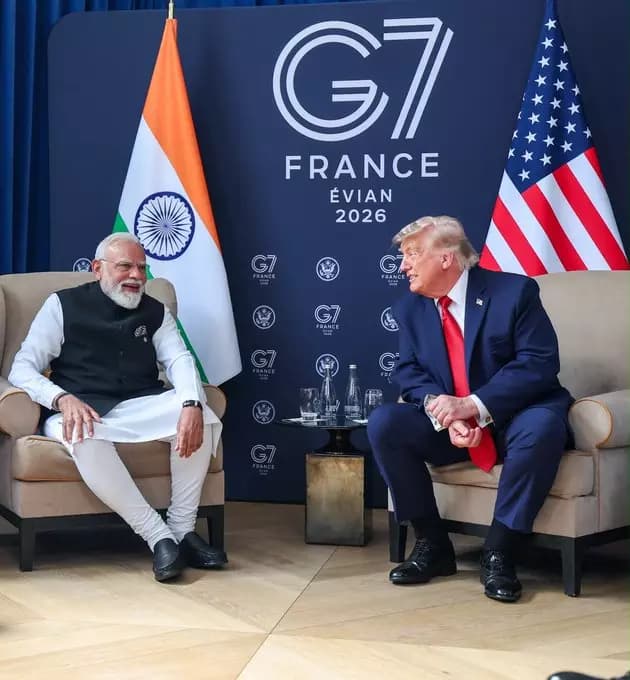
India and the United States are set to engage in a pivotal round of trade negotiations this week as the deadline for a temporary tariff measure approaches. Union Commerce and Industry Minister Piyush Goyal is scheduled to hold two days of high-level discussions in New Delhi with US Trade Representative Jamieson Greer. These deliberations are central to advancing the framework of a proposed Bilateral Trade Agreement (BTA).
Advancing the Bilateral Trade Agreement
The upcoming ministerial meetings follow a series of preliminary sessions conducted by chief negotiators earlier this month in New Delhi. The primary objective is to bridge remaining gaps to establish an interim deal. Piyush Goyal has indicated that both nations are working diligently toward concluding the initial phase of the agreement by mid-July. This momentum is critical, as a 10 per cent temporary tariff currently applied by the United States on imports from various trading partners is slated to expire on July 24.
Washington is currently conducting a comprehensive review of its trade policies through Section 301 investigations. These probes encompass multiple nations, including India, and address complex issues such as industrial capacity and labor practices. For New Delhi, a primary strategic goal is to secure a distinct tariff advantage over competitors like Bangladesh, Vietnam, and various ASEAN member states. The initial framework from February aimed to provide Indian goods with more favorable tariff conditions in the US market, though recent shifts in US policy have necessitated a re-evaluation of specific terms.
Economic Scope and Strategic Imports
The proposed trade partnership involves reciprocal measures, including tariff reductions on various US agricultural and industrial goods entering the Indian market. In return, India has signaled a commitment to significantly increase its procurement of strategic goods, including aircraft, technology products, and energy resources from the United States over the coming five years.
The economic relationship remains robust, with the United States holding its position as India's second-largest trading partner for the 2025-26 fiscal year. During this period, the total bilateral trade volume surpassed USD 140 billion. Specifically, India recorded USD 87.3 billion in exports to the United States, while import figures reached USD 52.9 billion. Both nations remain focused on strengthening these economic ties as they navigate the complexities of international trade policy.