How the Supreme Court Decides Cases: A Detailed Step-by-Step Guide
The U.S. Supreme Court follows a rigorous, multi-stage process to decide cases, including reviewing petitions, hearing oral arguments, and negotiating opinions. This highly structured system, culminating in June, reflects months of deliberation and determines the judicial interpretation of the U.S. Constitution.
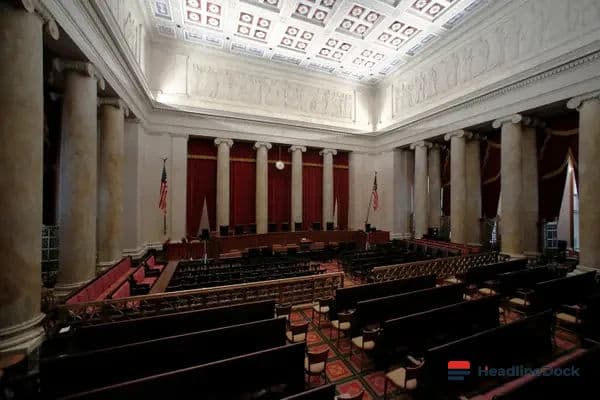
Every year in June, the United States Supreme Court captures national attention as it delivers pivotal rulings on high-stakes legal matters. While these final judgments often dominate headlines, they are the culmination of a rigorous and highly regulated Supreme Court decision-making process that frequently occurs away from the public eye. Understanding this procedure reveals how the nation’s highest judicial body shapes policy and influences the lives of millions.
The Agenda-Setting Process and Case Selection
As a reactive institution, the Supreme Court cannot initiate cases; it must wait for litigation to reach its docket. Typically, the party defeated in a lower court files a writ of certiorari, a formal request for the high court to review the lower court's judgment. Conversely, the successful party argues that the existing decision is correct and should remain undisturbed. To manage its workload, the court relies on law clerks—junior attorneys who summarize petitions and recommend actions. The justices then meet in private to vote on these requests. Following the rule of four, at least four of the nine justices must agree to hear a case. Only about 2% of the approximately 4,000 annual petitions are ultimately granted a full hearing.
Briefing, Arguments, and Delivering Opinions
Once a case is accepted, the legal journey continues through written briefs and oral arguments. Attorneys for both sides submit detailed documents presenting their legal interpretations. Furthermore, interest groups often file amicus curiae (friend of the court) briefs to highlight broader societal or policy implications. During oral arguments, justices frequently interrogate the attorneys, providing an early look at their judicial leanings.
After arguments, the justices convene in another private conference to cast preliminary votes. If the chief justice is in the majority, they decide who drafts the majority opinion; otherwise, the senior-most justice in the majority makes this assignment. This draft undergoes significant negotiation and revision as justices bargain over the legal rationale. Some justices may even defect from the initial majority if they disagree with the final content. In addition to the primary ruling, justices may write concurring opinions—agreeing with the outcome but using a different legal basis—or dissenting opinions when they oppose the majority view.
The final stage is the public announcement of the court's decision. This process spans from October to June, with the most significant cases traditionally released in the final weeks. By the time a ruling is announced, it represents a culmination of months of intense deliberation and legal compromise, ultimately serving as the final word on the interpretation of the Constitution.