How Political Leaders Use Combat Spectacles to Symbolize National Power
Political leaders often use combat spectacles to symbolize national strength and foster identity fusion. By showcasing martial virtues through events like mixed martial arts, they create a sense of shared purpose and collective belonging that transcends traditional political boundaries.

Highlights
- •Public combat spectacles are historically used to strengthen collective identity and national purpose.
- •Identity fusion explains why audiences feel deep personal connections to leaders who celebrate physical courage.
- •Mixed martial arts (MMA) has gained political importance as a venue for fostering group solidarity and resilience.
- •Staging combat events at major national sites links athletic performance to the concept of martial virtue.
Throughout history, political leaders have frequently utilized public combat spectacles to project images of strength, national purpose, and resilience. From the ancient Roman gladiatorial games to the rise of modern mixed martial arts (MMA), these events function as powerful rituals. They allow spectators to feel part of a collective identity, bridging the gap between personal self and national belonging.
The Psychology of Identity Fusion
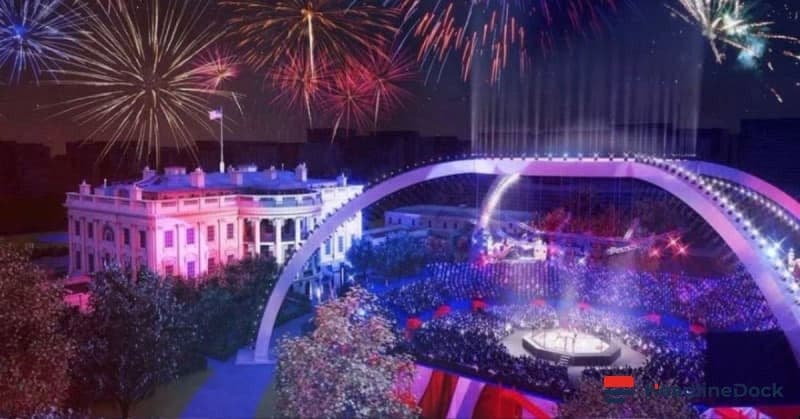
When public figures like Donald Trump contemplate staging a UFC championship event on the White House grounds, the motivations often extend beyond mere entertainment. Experts suggest that such displays tap into a psychological phenomenon known as identity fusion. In this state, an individual’s personal identity becomes deeply intertwined with a group, whether it is a nation, a political movement, or a cultural cause.
Research indicates that when people witness public demonstrations of courage, endurance, and sacrifice—the hallmarks of combat sports—their emotional bond with the group and its leaders intensifies. This shared experience does not necessarily lead to violence; it can also foster volunteerism, community aid, and a willingness to withstand hardship for a collective goal. Mixed martial arts, by testing an individual's character against pain and fear, serves as a modern moral drama that mirrors the intensity of historical rituals.
Political Symbolism and Combat Sports
The strategic use of combat sports has become increasingly relevant in contemporary political landscapes. In various parts of Europe and North America, organizations have leveraged the appeal of MMA training to recruit members and foster intense camaraderie. For these groups, the gym acts as a proving ground where shared physical struggle cements trust and solidarity in ways that digital interaction cannot replicate.
Furthermore, leaders who align themselves with the culture of the arena often seek to symbolize a return to martial virtues. By linking events like a UFC championship to national anniversaries, they aim to frame the ideal citizen as someone disciplined, physically formidable, and prepared for sacrifice. This rhetoric aligns with calls to restore a warrior ethos within civic life. Ultimately, these spectacles transform individual athletic contests into powerful narratives of group destiny. In an era of declining institutional trust, combat events provide communities with a sense of significance and belonging, turning physical struggle into a potent engine for political commitment.