Global Stock Markets Surge as Iran War Deal Opens Strait of Hormuz
Global financial markets soared on news of a deal to end the Iran war and reopen the Strait of Hormuz. With stock indices gaining ground and oil prices falling, investors are signaling relief following months of intense geopolitical conflict in the Middle East.
Highlights
- •Global stock markets rallied significantly following a deal to end the Iran war and reopen the Strait of Hormuz.
- •Oil prices saw a sharp decline, with Brent crude falling below $84 per barrel amid easing geopolitical tensions.
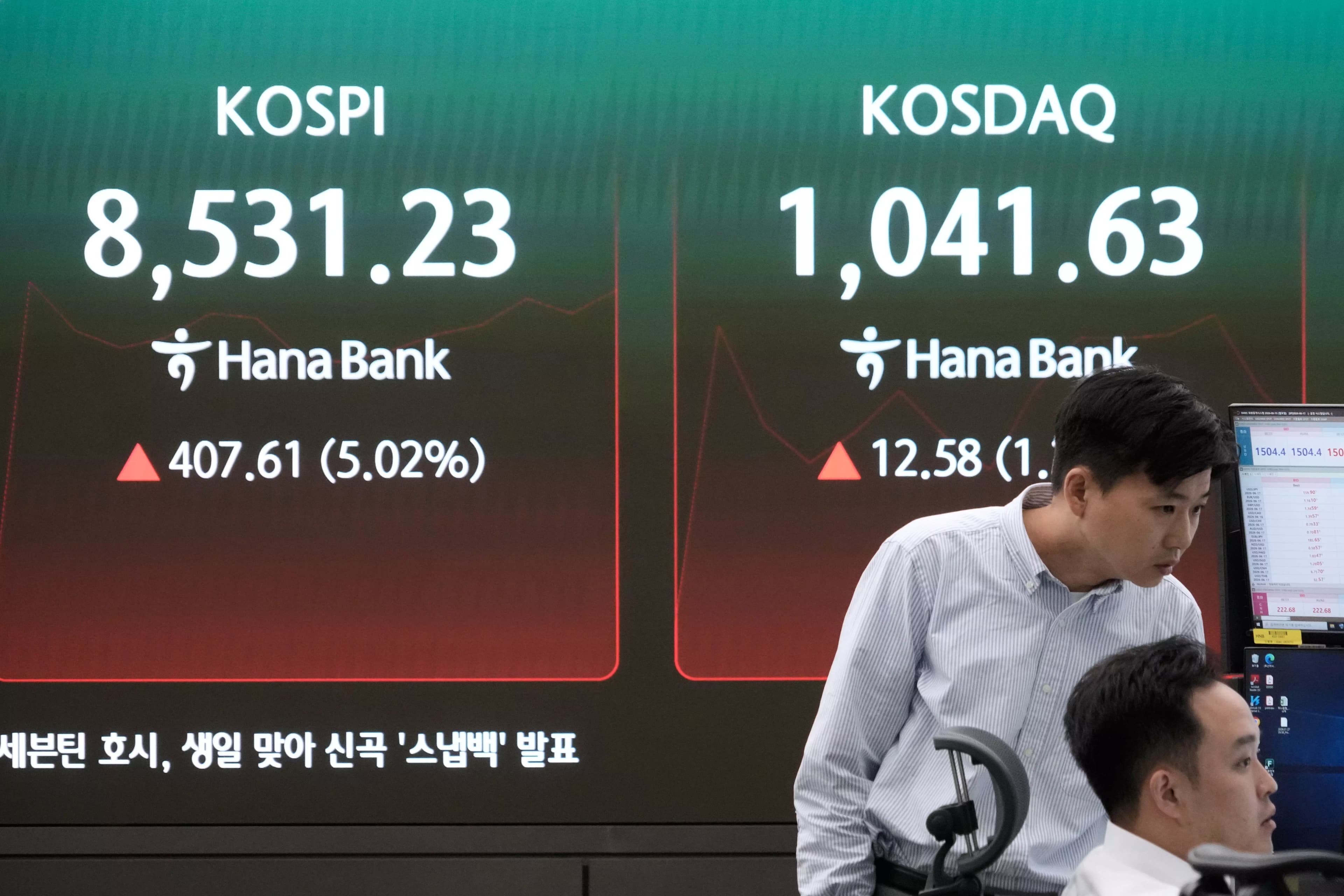
- •Key Asian market indices, including the Nikkei 225, surged over 5% as foreign investors expressed renewed optimism.
- •Formal implementation of the peace deal is pending a scheduled signing in Switzerland this Friday.
Global financial stock markets have experienced a significant surge following a breakthrough announcement regarding the cessation of the Iran war and the reopening of the critical Strait of Hormuz. Investors reacted with optimism on Monday, driving major benchmarks higher as geopolitical tensions in the Middle East showed signs of easing.
Market Rally and Oil Price Adjustment
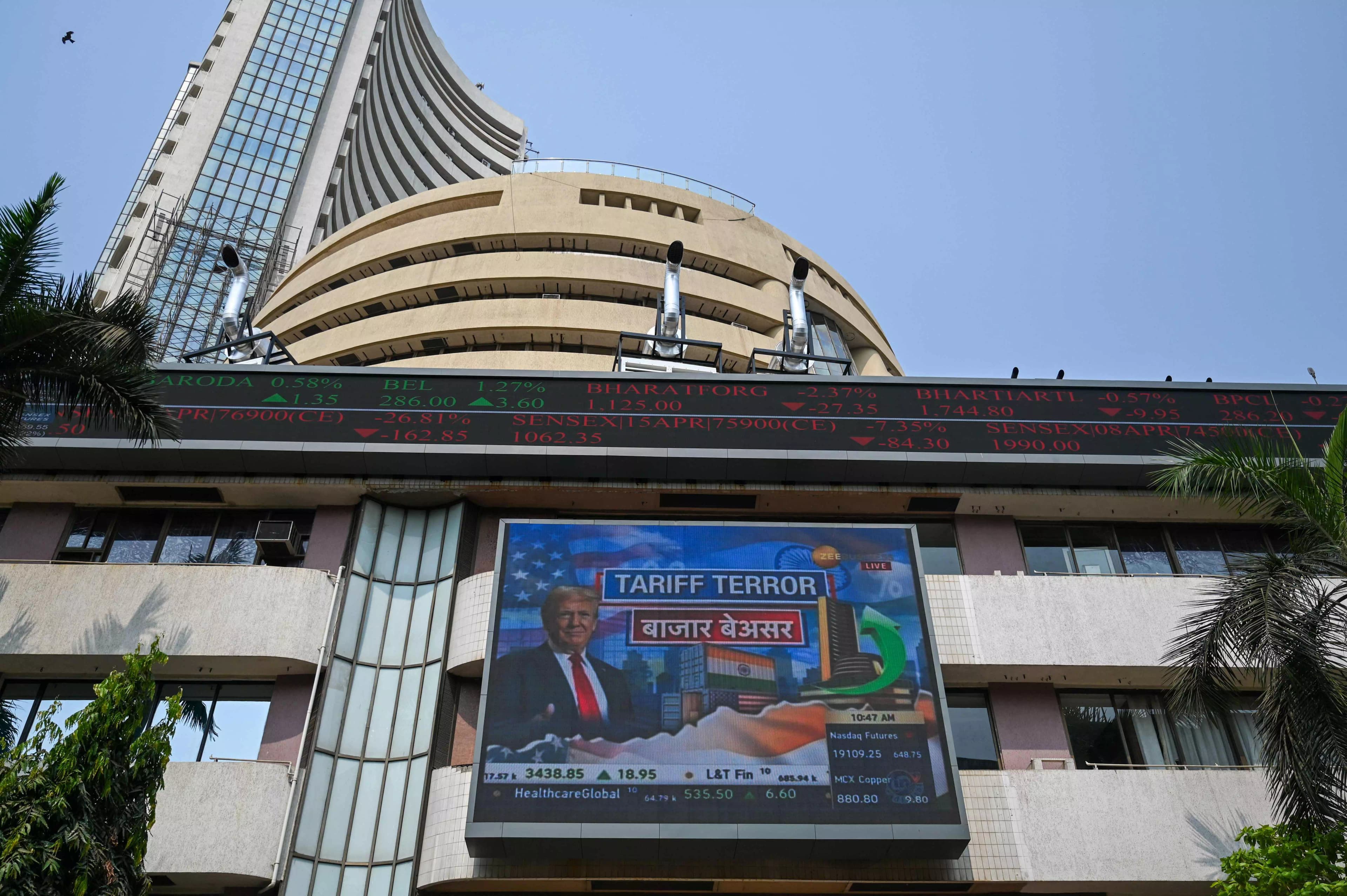
Following the news, stock indices in Tokyo and Seoul saw impressive gains, climbing more than 5% during early trading hours. This enthusiasm spilled over into Wall Street, where futures for the S&P 500 and the Dow Jones Industrial Average pointed toward a positive session. Concurrently, the energy sector witnessed a notable shift as oil prices fell significantly, with Brent crude dropping by $3.45 to $83.88 per barrel and U.S. benchmark crude sliding $3.95 to $80.93 per barrel.
U.S. President Donald Trump confirmed the initial pact and announced the authorization to lift the naval blockade of Iranian ports. While Iran has validated the agreement, the implementation remains contingent upon a formal signing scheduled for this coming Friday in Switzerland, as stated by Pakistan. Further discussions regarding broader issues, including Iran’s nuclear program, are anticipated to take place over the next two months.
Economic Implications and Future Stability
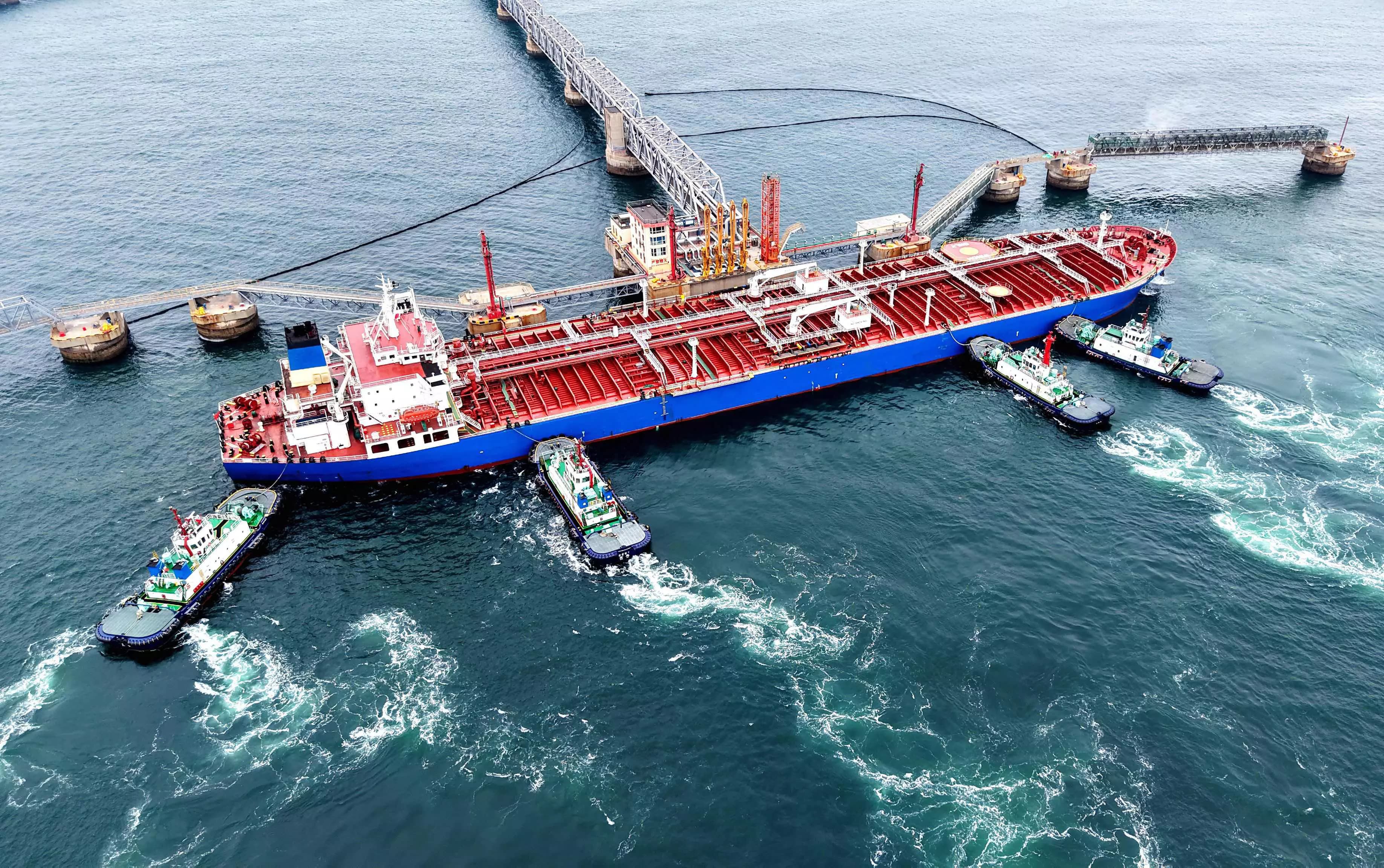
Energy analysts suggest that while the immediate market response is positive, a full recovery and stabilization of oil prices could take several months. Disruptions caused by the conflict, which began in late February, had previously driven up the costs of fuel and various consumer goods globally. Shipping and insurance companies are expected to remain cautious, waiting for clear evidence that the maritime passage through the Strait of Hormuz will remain secure and free-flowing for international trade.
Market sentiment remains cautiously optimistic as stakeholders observe the situation closely. In Japan, the Nikkei 225 reached a record high, bolstered by strong performance in technology sectors, particularly those focused on artificial intelligence. Strategists at Monex noted that foreign investment has been a primary driver of the current market rally, fueled by expectations that the resolution of Middle Eastern hostilities will reduce global risk.
Meanwhile, in Australia, the S&P/ASX 200 also posted gains, while Taiwan's Taiex saw an uptick of 2.6%. The global economic landscape appears to be finding relief after being heavily strained by the ongoing conflict for the past three months. While volatility may persist, the current momentum signals a transition toward recovery as investors weigh the potential for long-term stability.