US-Iran Deal Impact: How Crude Prices and Precious Metals Will Perform
The potential US-Iran peace deal has led to a dip in crude oil prices, while industrial metals and agricultural commodities remain supported by strong demand fundamentals. Experts anticipate a period of consolidation for gold and silver before a potential long-term rally begins after October.

Highlights
- •Crude oil prices face downward pressure, remaining range-bound while energy infrastructure undergoes repairs.
- •Gold and silver are expected to undergo consolidation until October before initiating a long-term rally.
- •Industrial metals like copper and aluminum remain attractive, supported by high demand in AI and tech sectors.
- •Agricultural commodities show a positive outlook due to supply chain rebuilding and potential weather-related risks.
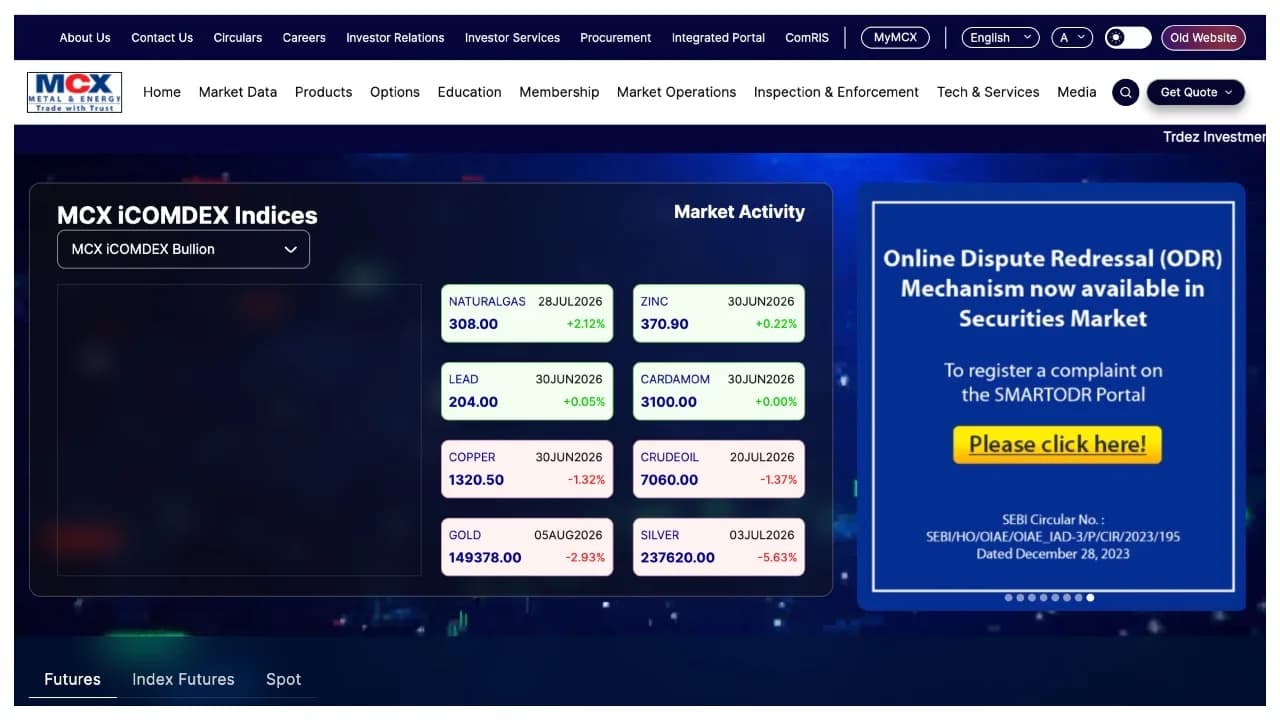
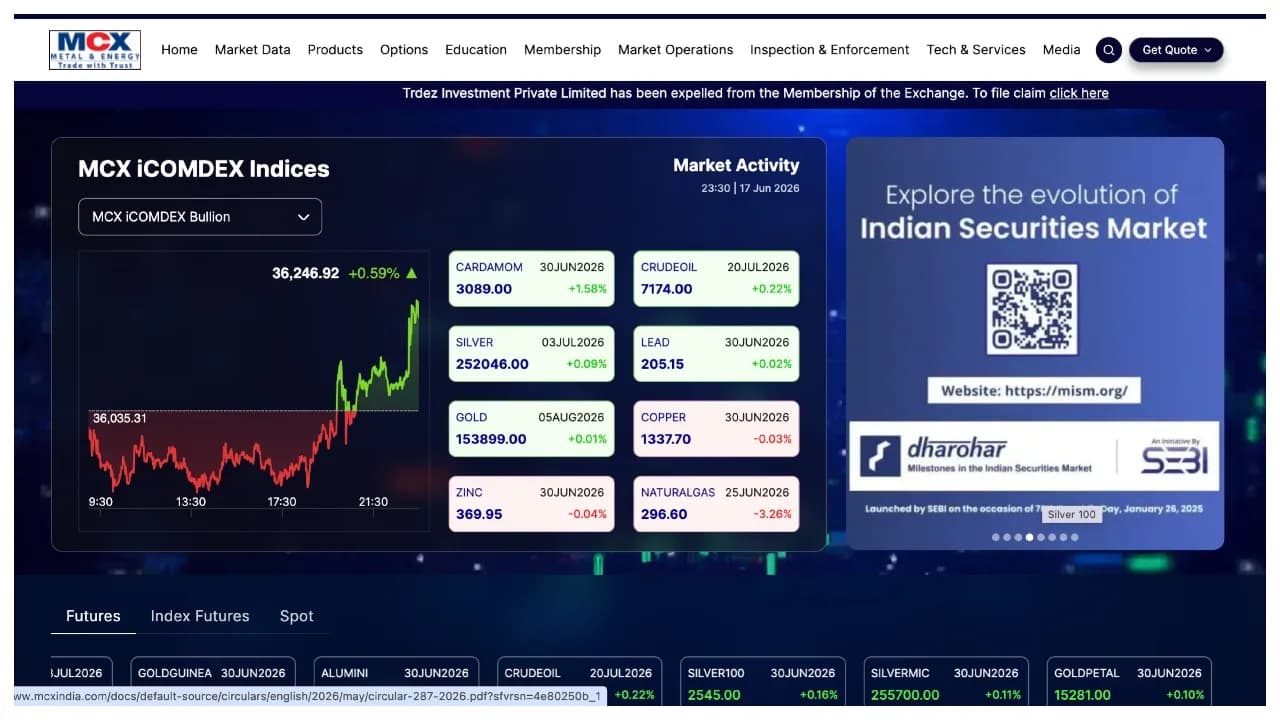
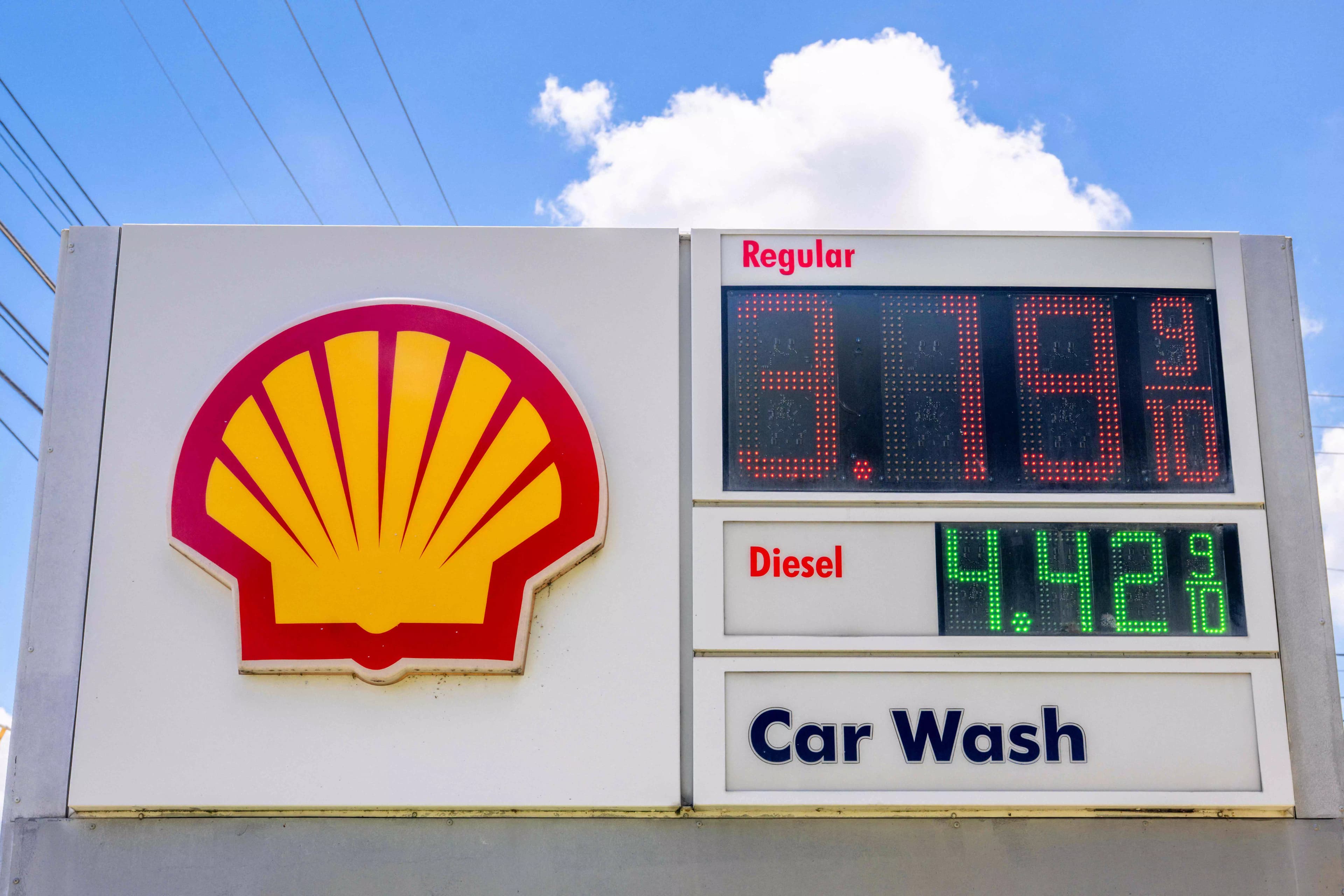
Following reports of a potential US-Iran peace deal, global commodity markets are currently experiencing a significant shift. The news has triggered a decline in crude oil prices, while investor focus shifts toward the performance of precious metals and industrial commodities as the market navigates this new geopolitical environment.
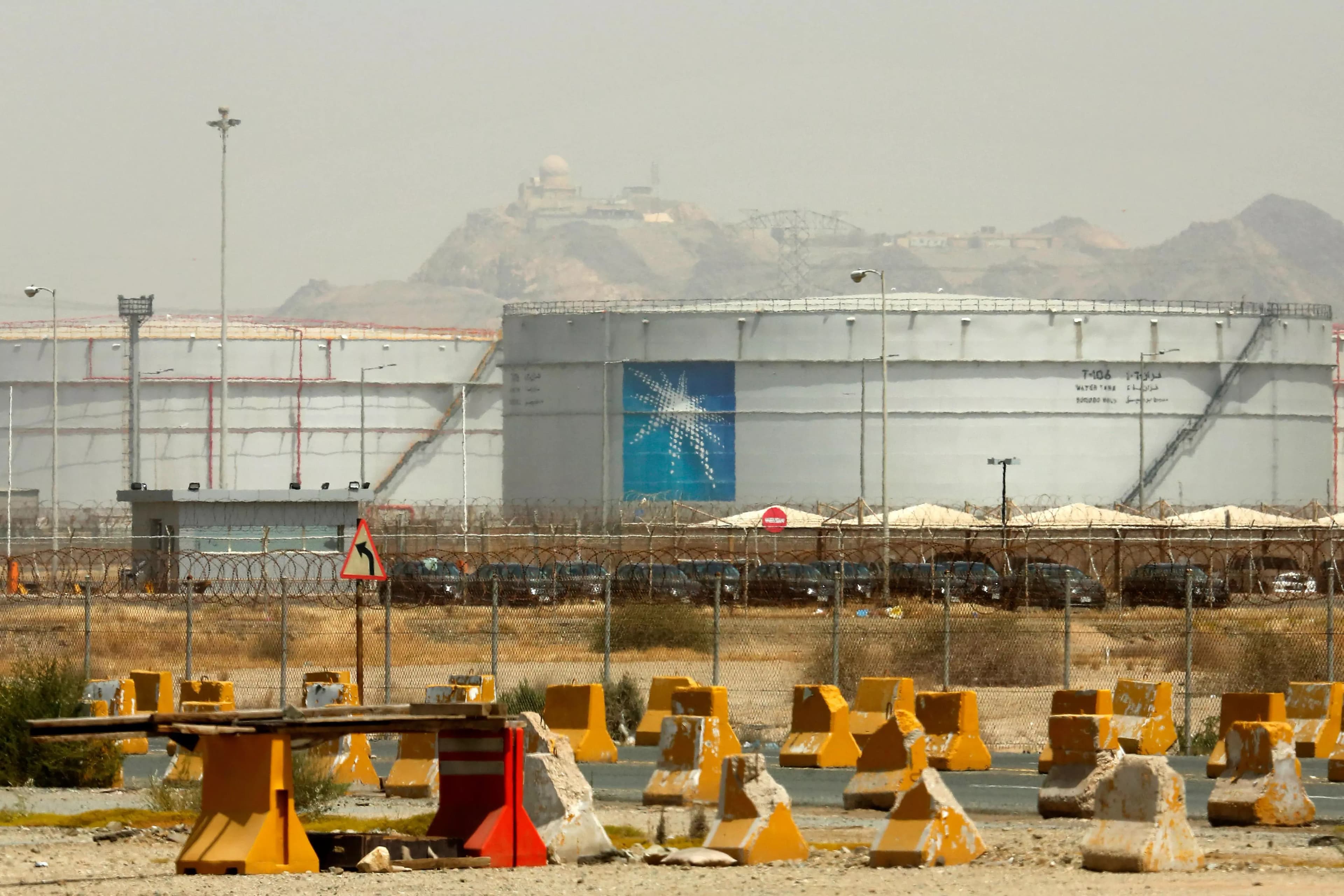
The immediate reaction to the diplomatic development has been a notable dip in crude oil prices, falling by approximately 4 percent. Analysts, including Ajay Kedia of Kedia Commodities, suggest that while a portion of the geopolitical risk premium has dissipated, the market remains cautious. With damaged energy infrastructure requiring extensive repairs, prices for Brent crude are expected to remain range-bound, finding support near $76-77 per barrel with resistance between $100 and $105.
Impact on Precious and Industrial Metals
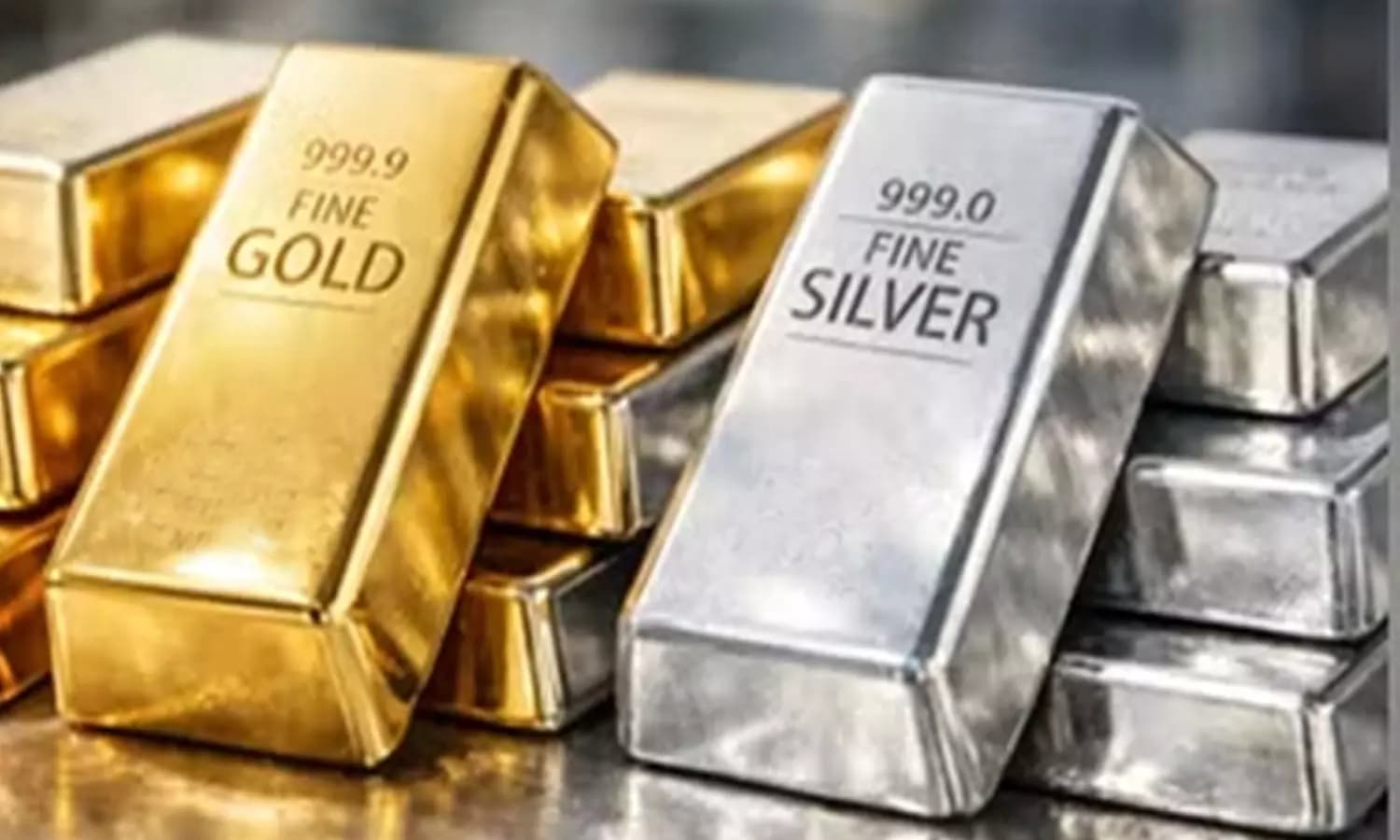
The outlook for precious metals, specifically gold and silver, remains bullish over the long term, driven by themes such as de-dollarization. Although these assets may face consolidation or a correction through October due to inflation concerns and interest rate fluctuations, a significant rally is projected thereafter. Gold and silver continue to be viewed as essential core components for diversified investment portfolios, often comprising 18-20 percent of total allocations.
Meanwhile, the industrial metal sector continues to show resilience. Despite short-term pressure on aluminium prices due to potential shifts in supply dynamics, demand fundamentals remain robust. Smelting remains energy-intensive, and prices are expected to stay supported by demand in sectors like construction and manufacturing. Copper and zinc also retain strong investment potential, with copper demand bolstered by advancements in artificial intelligence, semiconductor production, and data center expansion.
Commodity Market Structural Shifts
Agricultural commodities are also feeling the effects of these global changes. Disruptions in the transport of essential fertilizer inputs, such as urea and ammonia, have kept prices firm. Despite the potential for a temporary easing in costs following the easing of regional tensions, the broader outlook for agricultural goods remains positive. Factors such as weather-related risks, including El Niño, along with supply chain rebuilding efforts, are expected to support prices over the next six to twelve months.
Industry observers note that the market is undergoing a structural transformation. Increased participation from family offices and alternative investment funds, combined with persistent geopolitical and climate-related disruptions, is creating a high-volatility environment. Investors are advised to avoid chasing sudden spikes in crude oil and instead focus on long-term opportunities across base metals and agricultural commodities. As the global economy continues to rebalance, commodities are likely to remain a critical indicator of broader financial market trends, demanding a strategic approach to asset allocation.