Global Markets Rally Following US-Iran Peace Deal for Strait of Hormuz
Equities rose and oil prices held steady as a historic peace deal between the US and Iran aims to reopen the Strait of Hormuz. Markets are reacting to the normalization of energy supplies despite lingering concerns over depleted US strategic oil reserves.
Highlights
- •Global equities mostly trend upward following the announcement of a peace deal between the US and Iran.
- •The critical Strait of Hormuz is expected to fully reopen by Friday, easing energy market concerns.
- •Crude oil prices have stabilized after an initial sharp decline caused by the diplomatic breakthrough.
- •Strategic US oil reserves have dropped to their lowest levels since 1983, keeping market experts cautious.
Global financial markets are reacting with optimism as equity prices mostly trend upward, while energy costs remain relatively stable following a significant peace deal between the United States and Iran. This diplomatic breakthrough is expected to reopen the vital Strait of Hormuz, a crucial shipping lane that has been the focal point of geopolitical tensions for months. Investors are closely monitoring the developments ahead of an official signing ceremony scheduled in Switzerland this Friday, which seeks to conclude a conflict that has disrupted energy markets and accelerated global inflation.
Market Response and Geopolitical Normalization
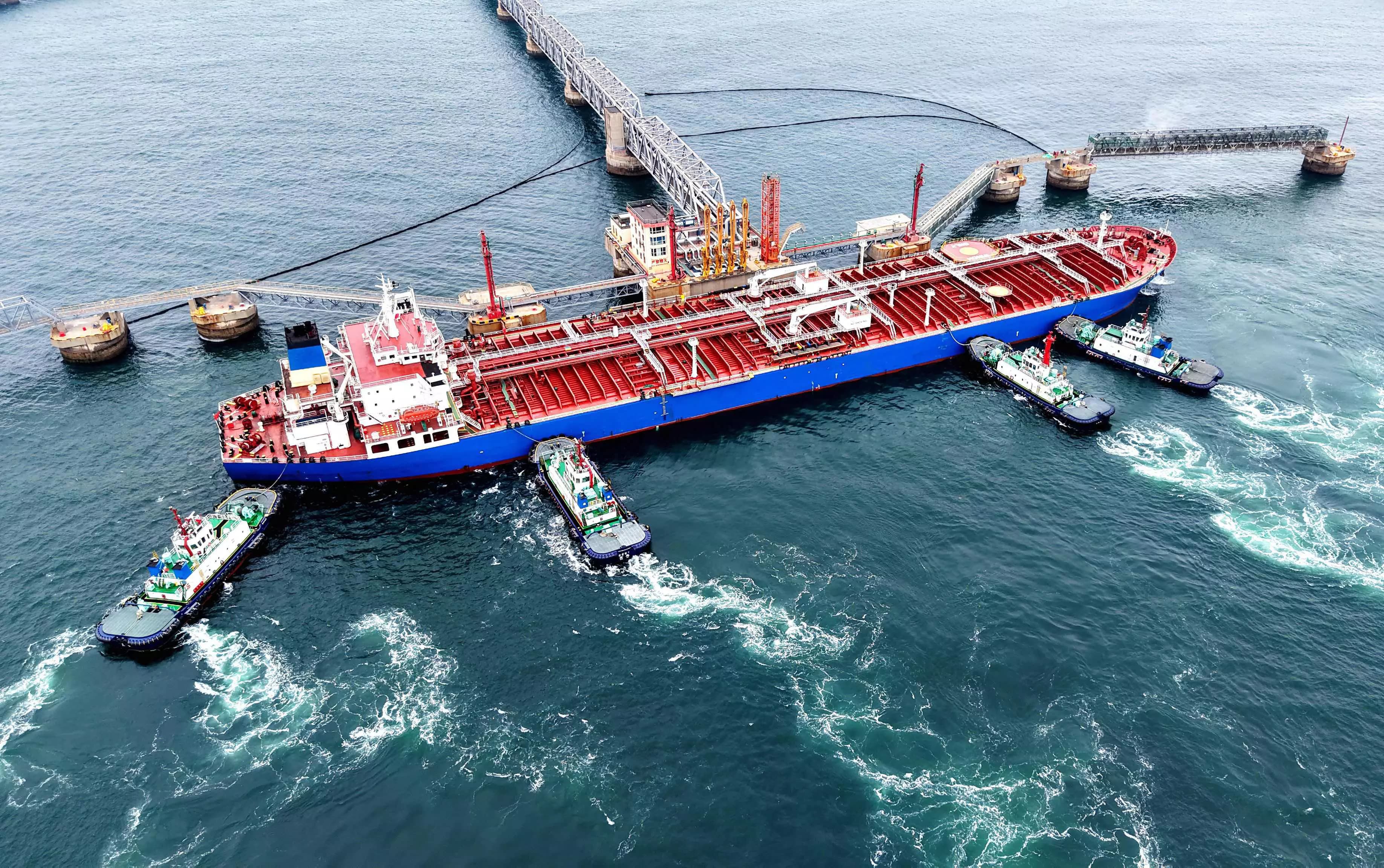
The announcement that the Strait of Hormuz will reopen has provided a significant boost to market confidence. US President Donald confirmed that maritime traffic is resuming through the channel and expects it to be fully operational by the end of the week. Reports from Iranian media indicate that multiple cargo ships and oil tankers have already navigated the waterway, which was previously subjected to a naval blockade following the initiation of the conflict on February 28. A senior US official verified that key leaders, including President Trump, Vice President JD Vance, and Iranian parliamentary speaker Mohammad Bagher Ghalibaf, have finalized the agreement electronically.
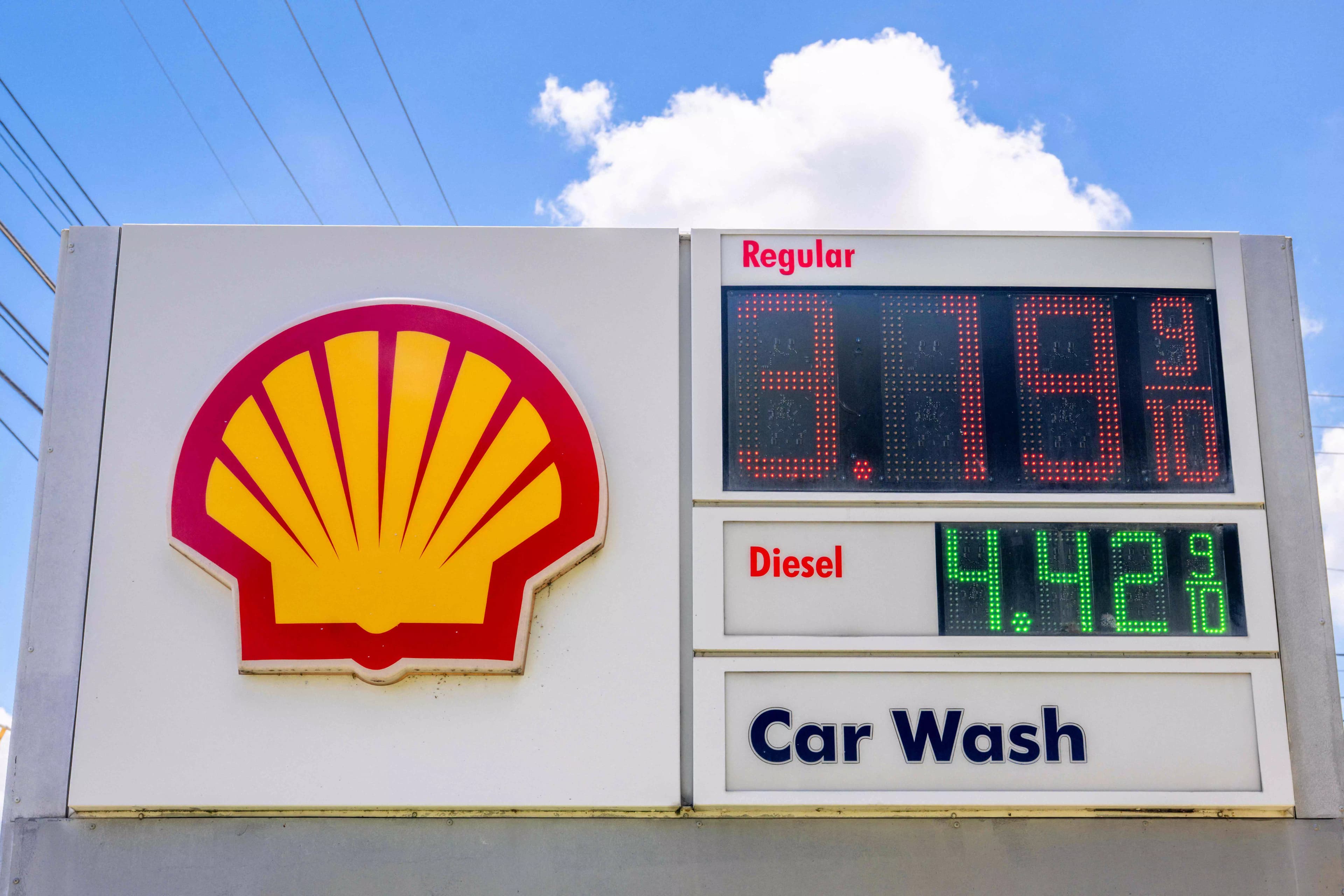
Market analysts suggest that while the initial relief has spurred a rally in global equities, the long-term impact remains contingent on how quickly energy production and export levels can return to normal. While crude oil prices initially saw a sharp decline of nearly five percent upon the news, they have since stabilized. Concerns persist among industry experts, however, as recent data from the US Department of Energy reveals that domestic strategic oil reserves have plummeted to their lowest levels recorded since 1983.
Equities Rally and Regional Economic Outlook
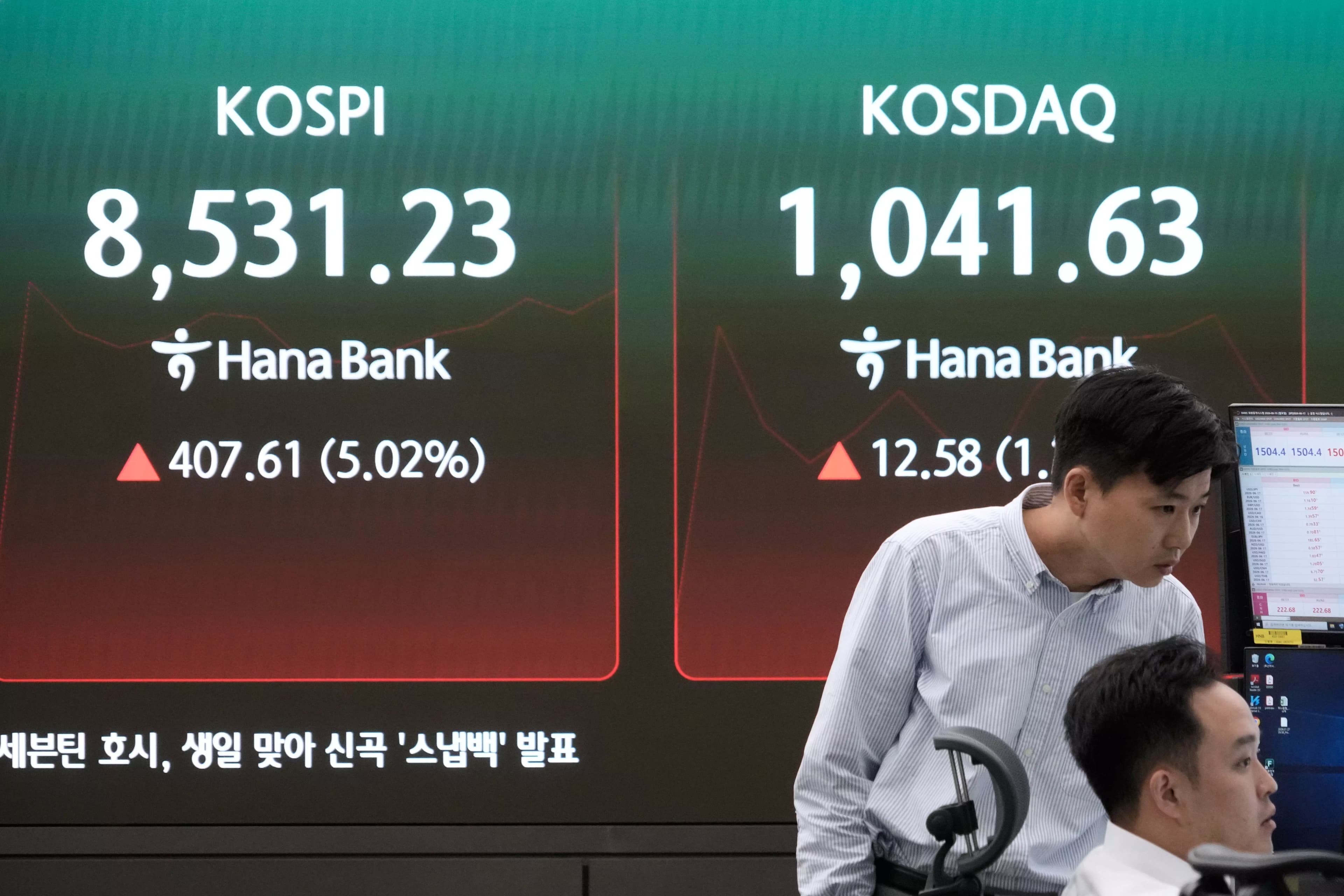
The positive sentiment continues to permeate various stock exchanges. Seoul’s market witnessed notable gains, building on a strong performance from the previous session, bolstered by growth in the technology sector. This surge mirrors the recent market enthusiasm surrounding Elon Musk’s SpaceX, which has seen substantial value increases since its recent listing. While Shanghai, Singapore, Taipei, Wellington, and Manila also posted gains, other major indices including Tokyo, Hong Kong, and Sydney experienced slight declines.
Investors are also keeping a watchful eye on macro-economic indicators, such as the recent contraction in Chinese retail sales. Furthermore, the Bank of Japan is currently meeting to deliberate on interest rate adjustments, with market participants anticipating a move toward a 31-year high. As the situation in the Strait of Hormuz normalizes, global focus will remain on the efficacy of the peace deal and its ability to stabilize the energy supply chain over the coming months.