GitHub for Beginners: Your Roadmap to Mastering the GitHub Essentials
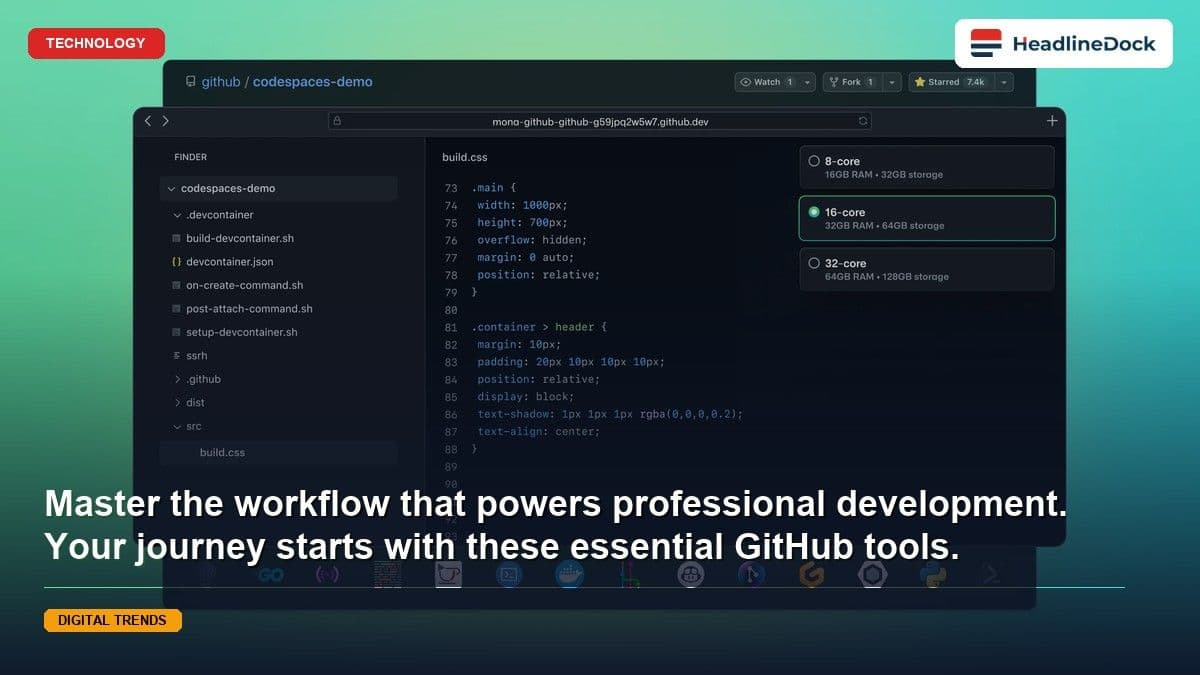
GitHub has launched a comprehensive educational roadmap designed to simplify the learning curve for new developers. The initiative covers essential Git workflows, automation via GitHub Actions, and security best practices, providing a standardized on-ramp for beginners to transition into professional and open-source software development environments.
Read it in Short
QUICK OVERVIEW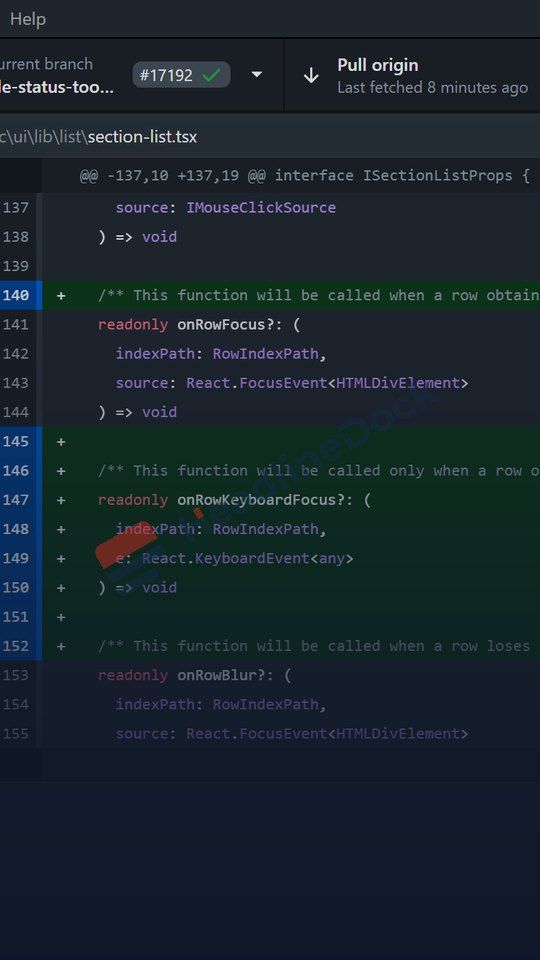
Roadmap released July 15, 2026, to standardize developer onboarding.
Core features like repositories and GitHub Pages remain free for users.
Covers critical DevOps pillars including GitHub Actions and Security Suite.

Upcoming GitHub Universe event scheduled for October 28-29, 2026.
GitHub for Beginners: Your Roadmap to Mastering the GitHub Essentials
For many aspiring developers, the first encounter with GitHub can feel like stepping into a cockpit without a flight manual. The sheer volume of features—from command-line rituals to automated security scanning—creates a steep learning curve. Recognizing this, GitHub released a comprehensive, standardized educational initiative on July 15, 2026, designed to distill these complex workflows into a singular, cohesive learning path. This roadmap is a professional on-ramp that treats the newcomer as a future engineer.
The Evolution of the Developer Workflow
The release of this roadmap arrives at a critical juncture. Industry analysts note that while the rise of AI has lowered the "cost" of writing initial code, the cost of owning, maintaining, and securing that code remains high. By standardizing how beginners manage repositories, GitHub is teaching the "architecture of sustainability" rather than just syntax.
This initiative pushes professional habits like "Innersource" methodologies and DevSecOps to those writing their first lines of code. The objective is to ensure that as beginners evolve, their foundational habits—such as automated testing and dependency management—are already second nature, preparing them for enterprise-grade environments.
Core Foundations: The GitHub Essentials
The roadmap categorizes development into several operational pillars essential to professional collaboration:
- Git Version Control: Mastering
init,clone,add,commit,push, andpullfor traceable project history. - GitHub Flow: A rhythmic, iterative process of branching, committing, pushing, and using Pull Requests to merge code safely.
- Project Management: Leveraging GitHub Issues to document bugs and using Kanban-style Projects to keep workflows synchronized.
- GitHub Actions: Introducing CI/CD by using YAML workflows to automate testing and deployment.
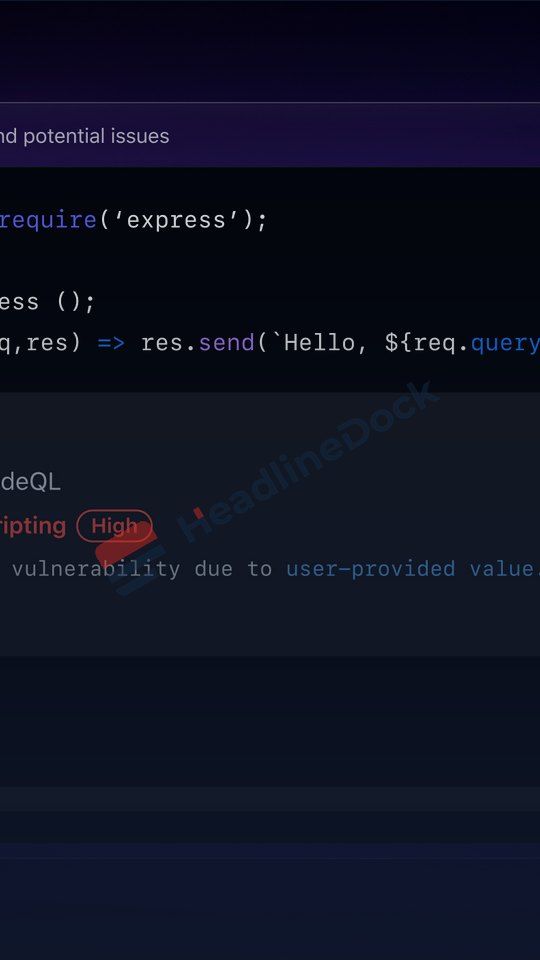
- Security Suite: Proactive protection via Dependabot for dependency updates and CodeQL for deep code scanning.
Modern Workflow Comparison
| Feature | Traditional Manual Approach | The GitHub Roadmap Way |
|---|---|---|
| Version Control | Saving file copies as "v1", "v2" | Using Git branches for clean history |
| Project Management | Scattered notes or spreadsheets | Integrated Issues and Kanban boards |
| Security | Reactive manual checking | Automated Dependabot and CodeQL alerts |
Troubleshooting Common Friction Points
1. Resolving Merge Conflicts
Merge conflicts occur when changes in different branches overlap. Use the built-in browser-based editor provided by GitHub to manually review the conflicting code and select the desired version before completing your merge.
2. Preventing "Junk" Files
To keep your repositories lean, utilize .gitignore files. This tells Git to ignore unnecessary files—like dependency folders or sensitive environment variables—before you commit them to the cloud.
3. Account Recovery
GitHub strongly recommends enabling Two-Factor Authentication (2FA). Always store your recovery codes in a secure, offline password manager; if you lose access to your 2FA device, these codes are your only way back into your account.
Pricing and Looking Ahead
GitHub operates on a "freemium" model. Core features, including public and private repositories and GitHub Pages, are free for all users. Advanced security features are free for public projects, with enterprise tiers available for teams requiring sophisticated protection.
These fundamentals will be a focal point at the upcoming GitHub Universe event scheduled for October 28-29, 2026, in San Francisco.