G. Kishan Reddy Rebuts Asaduddin Owaisi Over Passport and Citizenship Legal Definition
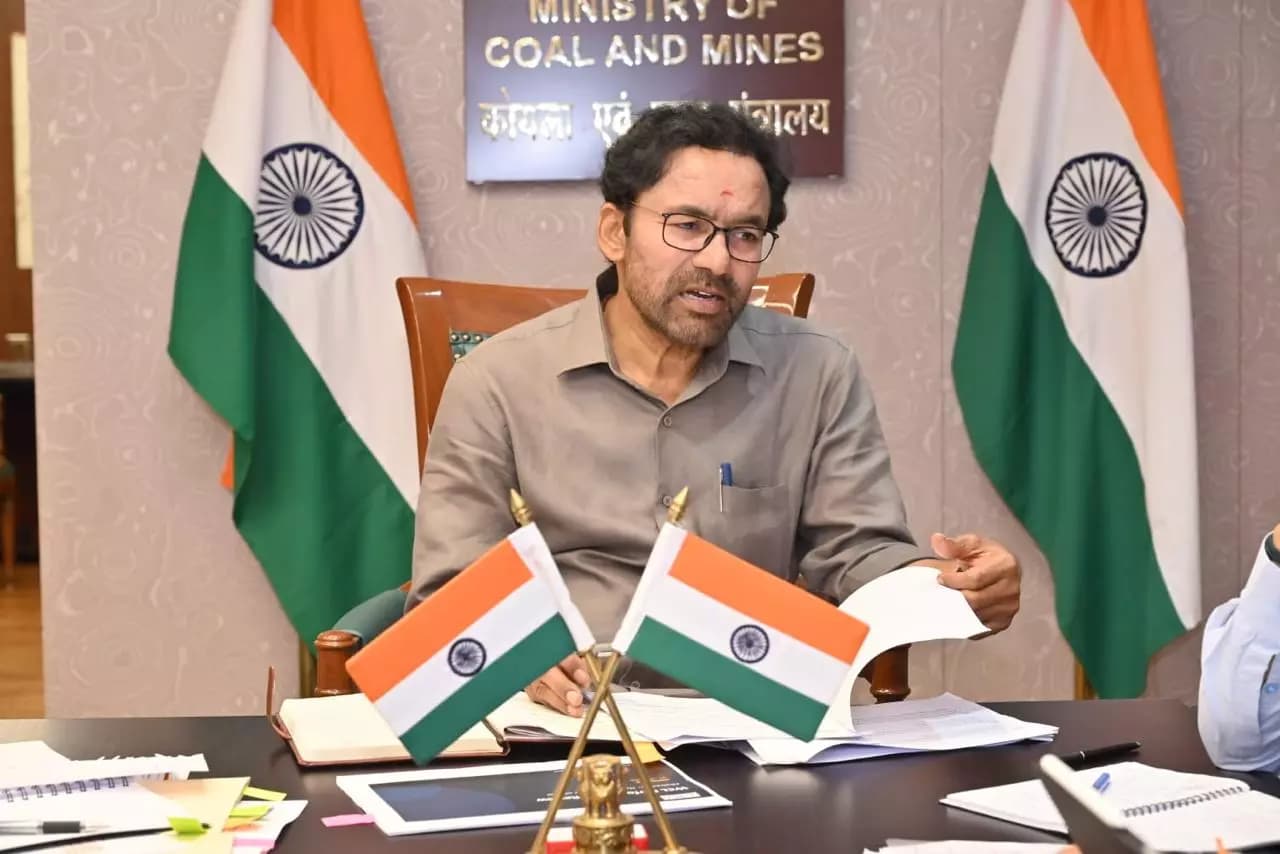
Union Coal Minister G. Kishan Reddy has dismissed Asaduddin Owaisi's claim that a passport acts as proof of citizenship, citing legal definitions. Meanwhile, BJP leaders have raised questions regarding reduced water allocations for Telangana in the Tungabhadra river project agreement.
Highlights
- •G. Kishan Reddy clarified that a passport is merely a travel document, not proof of Indian citizenship.
- •The Minister emphasized that citizenship is governed strictly by the Constitution and the Citizenship Act, 1955.
- •BJP leaders cited legal precedents, including a 2013 Bombay High Court ruling, to support their stance on citizenship.
- •BJP state president N. Ramchander Rao raised concerns over reduced water allocation for Telangana in the Tungabhadra project.
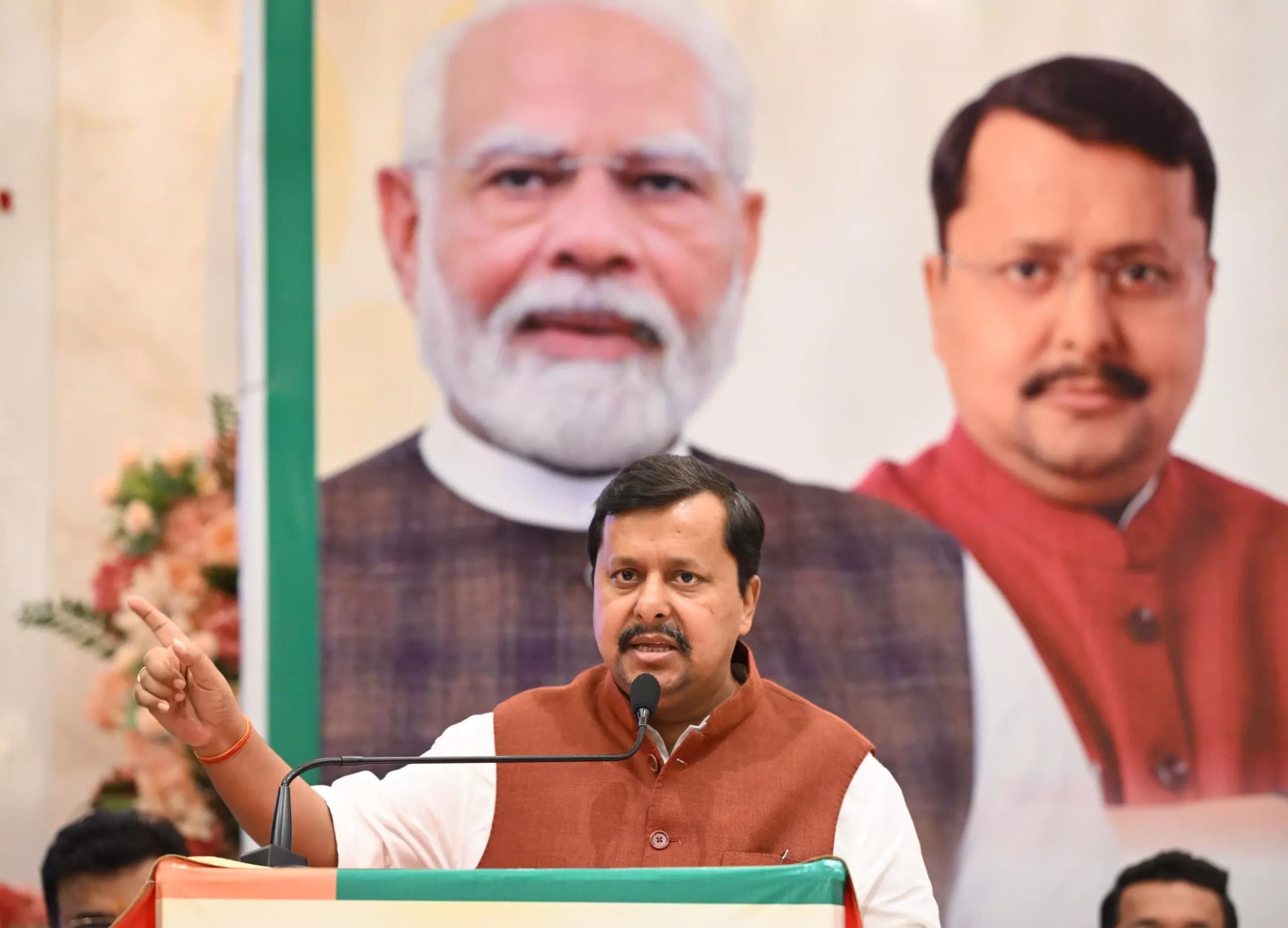
Union Coal Minister G. Kishan Reddy has launched a sharp critique against AIMIM chief and Hyderabad MP Asaduddin Owaisi regarding the legal definition of citizenship. The controversy stems from comments made by Owaisi suggesting that holding a passport serves as sufficient proof of citizenship. Kishan Reddy dismissed this assertion as legally inaccurate and potentially misleading to the public.
Clarifying Legal Standards on Citizenship
During his address, the Union Minister emphasized that a passport functions exclusively as a travel document rather than definitive proof of one's national status. He noted that the protocols regarding citizenship are clearly defined under the Constitution of India and the Citizenship Act, 1955. According to these frameworks, citizenship is established through specific legal channels, including birth, descent, registration, or naturalization. Kishan Reddy expressed concern that a public representative and trained barrister like Owaisi should be well-versed in these legal distinctions, suggesting that the inaccurate remarks might be an attempt to sway public opinion for political advantage.
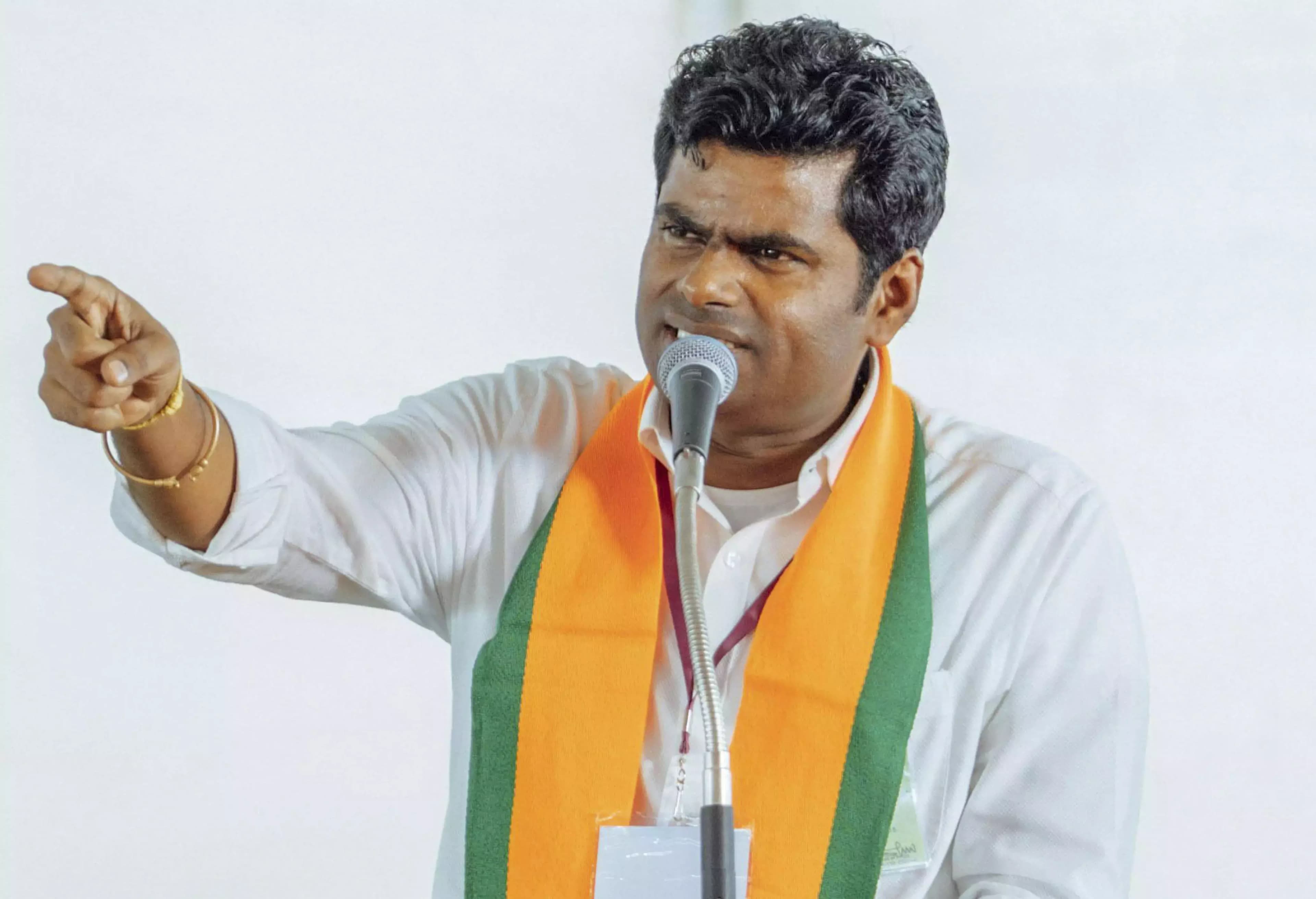
Supporting this stance, BJP state president N. Ramchander Rao urged Owaisi to prioritize the rule of law and refrain from spreading misinformation. To illustrate the point, Rao referenced the example of the Dalai Lama, who possesses a passport while not holding Indian citizenship. Furthermore, he cited a 2013 Bombay High Court ruling, which established that a passport, even when supported by other documents such as Aadhaar and birth certificates, does not automatically confirm citizenship status, a principle upheld by several other high courts across the country.
Water Allocation Disputes in Telangana
The discussion also turned to regional administrative issues, specifically the Tungabhadra water-sharing dispute. While welcoming the modernization of spillway gates in Karnataka, N. Ramchander Rao demanded that Chief Minister Revanth Reddy provide full transparency regarding an agreement reportedly reached with the Union Jal Shakti Minister C. R. Patil. The BJP leader raised serious allegations regarding the reduction of Telangana's water allocation to 5 tmc, down from its expected 15.9 tmc share.
Rao questioned the rationale behind the state government's decision to accept a reduced allocation and demanded clarity on which neighbouring entities stand to benefit from this arrangement. He accused both the BRS and the Congress of compromising the state's interests concerning its Godavari water share, arguing that these political decisions have caused significant injustice to the residents of Telangana.