Former Leader Sheikh Hasina Vows to Return to Bangladesh This Year
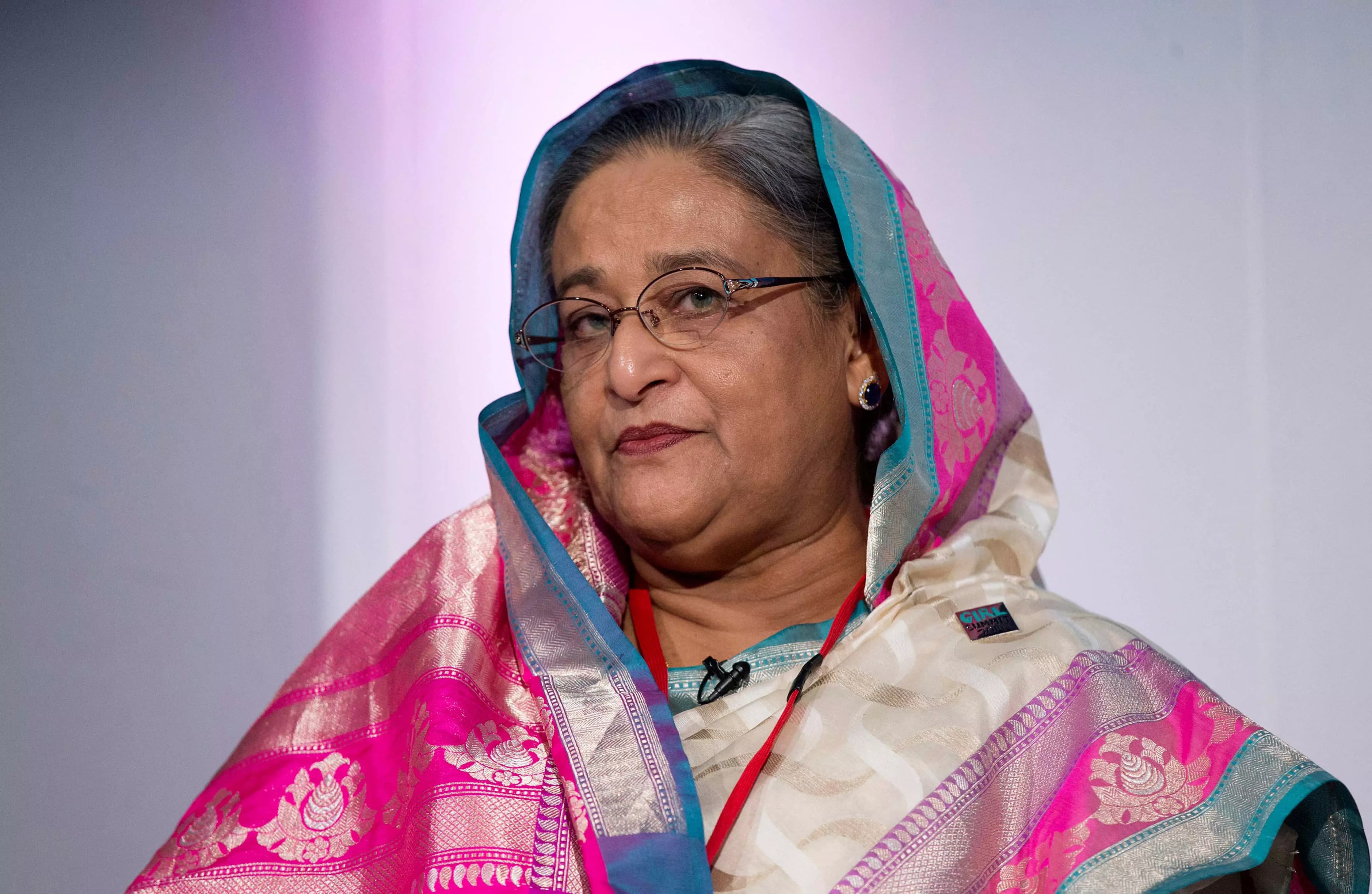
Fugitive former Bangladesh Prime Minister Sheikh Hasina has announced her intention to return to her country this year. Living in exile in India since 2024, she faces a death sentence for crimes against humanity, a verdict she dismisses as a politically motivated conspiracy against her leadership.
Highlights
- •Sheikh Hasina declares plan to return to Bangladesh before the end of 2026.
- •The former PM has been in exile in India since August 2024 following an uprising.
- •She faces a death sentence issued by a Dhaka court for crimes against humanity.
- •The Awami League remains outlawed amid ongoing diplomatic pressure for her extradition.
Former Bangladesh Prime Minister Sheikh Hasina has announced her intention to return to her home country before the conclusion of this year. The 78-year-old leader, who has been living in exile in India, made these remarks despite facing a significant legal challenge, including a death sentence issued in absentia for crimes against humanity. Her declaration marks a pivotal moment in the ongoing political discourse surrounding her future and the stability of the nation.
Sheikh Hasina departed from Bangladesh in August 2024 following an intense student-led uprising that brought a definitive end to her 15-year tenure in power. Since relocating to India, she has maintained an extremely low profile, with only a rare public appearance documented during a speech delivered to a press club in New Delhi earlier this year in January.
Legal Challenges and Political Stance
Addressing the controversy surrounding the legal rulings against her, the former leader characterized the judicial proceedings as part of an unconstitutional and politically driven agenda. Despite the gravity of the accusations, which include incitement to violence and failure to prevent atrocities during her time in office, she remains firm in her assertion that she has been the victim of widespread conspiracies. A Dhaka court handed down a death sentence last November, ordering that she be hanged for her alleged crimes.
Reflecting on her lengthy political career, Sheikh Hasina highlighted her electoral success, noting that she was elected to the office of prime minister on five separate occasions by the public vote. She maintained that her administration had consistently worked toward achieving unprecedented development for the country. Regarding the legal threat, she stated that she does not fear death and remains committed to navigating these challenges to make her return.
Impact of Political Changes
The political landscape in Bangladesh has shifted significantly since the former leader's departure. The Awami League, which was previously recognized as one of the most prominent political organizations in the nation, has seen its activities outlawed. Furthermore, the country held a general election in February, which resulted in a landslide victory for Prime Minister Tarique Rahman. This leadership change has brought about a period of transition, during which diplomatic relations between India and Bangladesh have experienced various fluctuations.
While bilateral ties have shown signs of improvement under the current administration, the issue of Sheikh Hasina remains a point of friction. The Bangladesh government has consistently formally requested her extradition from India to face the charges brought against her in the national courts. As the year progresses, the potential for her return continues to be a subject of intense speculation and national importance.
,