Escalating Tensions as US Strikes Iran After Tanker Attacks in Strait of Hormuz


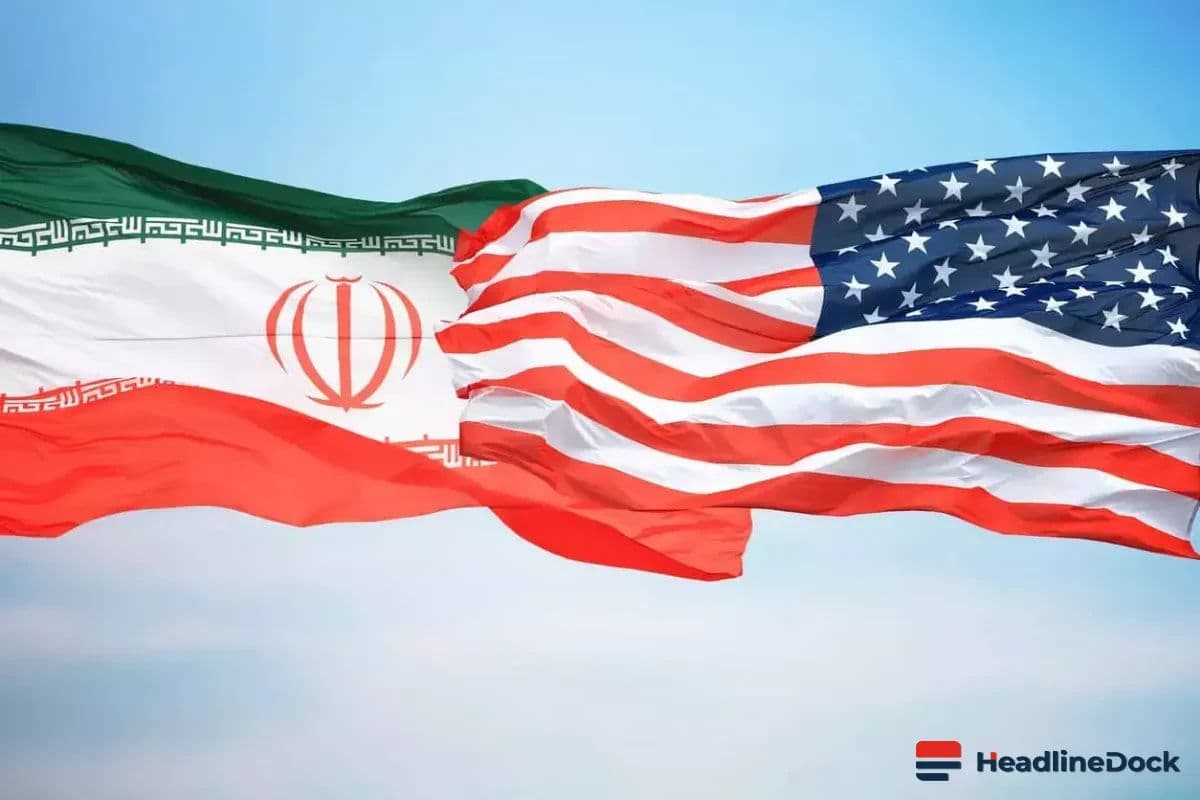
Military tensions have spiked as US strikes Iran following tanker attacks in the Strait of Hormuz. Iran responded with drone and missile strikes on US military sites in Bahrain and Kuwait, marking a significant escalation in regional conflict and threatening maritime security in the Gulf.
STORY IN BRIEF
QUICK OVERVIEW
US military conducted strikes on over 80 Iranian targets, including IRGC boats and missile sites.

The IRGC responded by launching drone and missile attacks against 85 US military facilities.

Military forces in Kuwait were forced to engage incoming threats with air defense systems.
The conflict follows targeted attacks on commercial oil tankers near the Strait of Hormuz.
Tensions in the Middle East have escalated sharply as US strikes Iran following a series of aggressive actions against commercial shipping vessels in the critical Strait of Hormuz. The military operation, carried out by US Central Command (Centcom), targeted over 80 separate locations, including significant naval infrastructure and over 60 small boats operated by the Islamic Revolutionary Guard Corps (IRGC). These strikes were described by officials as a necessary response to protect international maritime commerce and safeguard crews operating in vital global waterways.
Escalation and Retaliatory Measures
The situation rapidly intensified when the IRGC announced a retaliatory response in the early hours of Wednesday. The group claimed to have launched coordinated missile and drone attacks targeting 85 specific sites associated with US military presence in Bahrain and Kuwait. Military defense systems in Kuwait were actively engaged in intercepting these incoming threats. The exchange marks a significant departure from previous diplomatic efforts, effectively testing the stability of regional security agreements and the recent 14-point memorandum of understanding aimed at maintaining a ceasefire.
The conflict traces back to incidents involving multiple tankers, including vessels linked to Qatar and Saudi Arabia, which reported being targeted while traversing the Strait of Hormuz. Several ships sustained damage from unknown projectiles, with incidents ranging from fire in engine rooms to structural impacts. Regional neighbors have officially condemned the attacks, pinning the responsibility on Iran. In response to the growing chaos, the US Treasury has moved to revoke temporary oil sanctions waivers that were previously established to facilitate economic engagement under the recent bilateral memorandum.
Diplomatic channels remain under immense pressure as both sides exchange accusations of bad faith and treaty violations. Iran has publicly rejected the blame for the tanker attacks, characterizing the US military action as a grave breach of existing agreements. As the region braces for further volatility, the primary concern remains the preservation of safe transit through one of the world's most vital energy corridors. International observers are closely monitoring the fallout, as the potential for continued direct military confrontation between Washington and Tehran threatens to destabilize broader economic and security interests across the Gulf region.