Will Odisha Witness a West Bengal-Style Political Realignment? BJP Signals Possible Defections
Speculation regarding a potential political realignment in Odisha has surfaced following comments by the state BJP president. While the BJP suggests opposition leaders may defect, the BJD maintains its unity, labeling the claims as a diversion from governance issues.
Highlights
- •BJP state president Manmohan Samal suggested opposition legislators may join the party.
- •The discussion of political realignment draws comparisons to similar shifts in West Bengal.
- •BJD leadership dismissed the claims, citing party unity and criticizing the BJP's governance.
- •Analysts state that future political restructuring depends on internal party loyalty and dynamics.
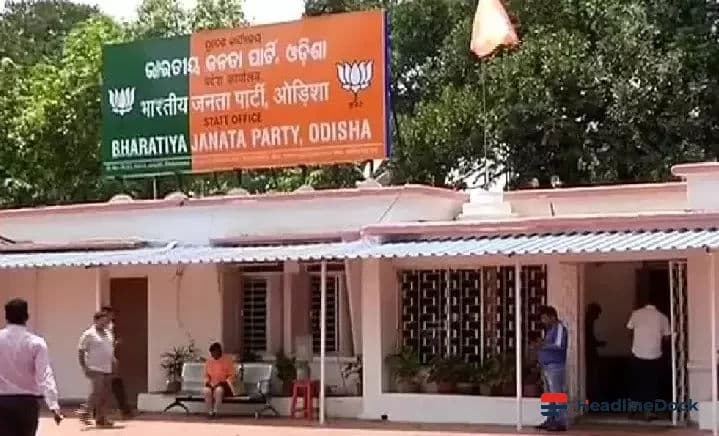
A fresh wave of political speculation has swept through Odisha as the state faces the potential for significant political realignment. Following recent remarks from the Bharatiya Janata Party (BJP) leadership, discussions are intensifying over whether the state could mirror the political shifts previously observed in West Bengal, where numerous legislators transitioned between party lines.
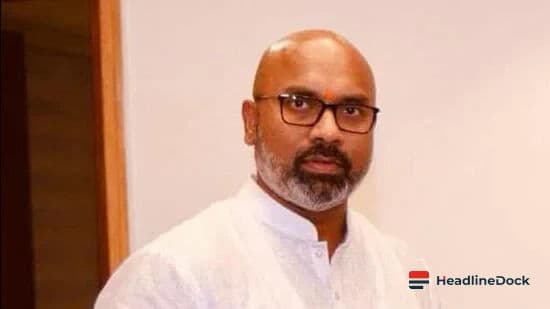
The discourse was initiated after Manmohan Samal, the BJP state president in Odisha, publicly suggested that several lawmakers from the Biju Janata Dal (BJD) and the Congress might consider joining the ruling party in the near future. Samal emphasized that the party would be open to welcoming these individuals, a statement that has sparked intense debate regarding the long-term electoral and organizational strategy of the BJP in the state.
Evaluating the Scope of Potential Political Realignment
Currently commanding 79 seats in the State Assembly, the BJP appears keen to bolster its legislative foundation. Political analysts suggest that these signals serve as a calculated message to any elected representatives who may be grappling with internal party dissatisfaction or leadership challenges. By projecting an image of strength and openness, the BJP is positioning itself as a viable alternative for leaders seeking to switch allegiances, similar to the strategies employed during shifting alliances in other parts of the country.
In response to these developments, leaders from the Biju Janata Dal have firmly rejected the narrative, characterizing the BJP's claims as mere political theater. Sahoo, speaking on behalf of the BJD, argued that the party remains unified and stable. According to this perspective, the ruling party is attempting to use such public assertions to distract the electorate from its own internal disagreements and perceived failures in governance.
Future Implications for Odisha Politics
While the prospect of large-scale defections remains a subject of intense conjecture, observers advise caution against assuming immediate changes. The trajectory of Odisha's political landscape in the coming months will likely be determined by the internal cohesion of the BJD and Congress, as well as the actual appetite for change among their current legislators. According to political analyst Prasanna Mohanty, the situation remains fluid, and the eventual outcome will hinge on how effectively parties manage their internal dynamics while the BJP continues its efforts to consolidate its influence across the region.