Why the US Indo-Pacific Command Has Reverted to US Pacific Command
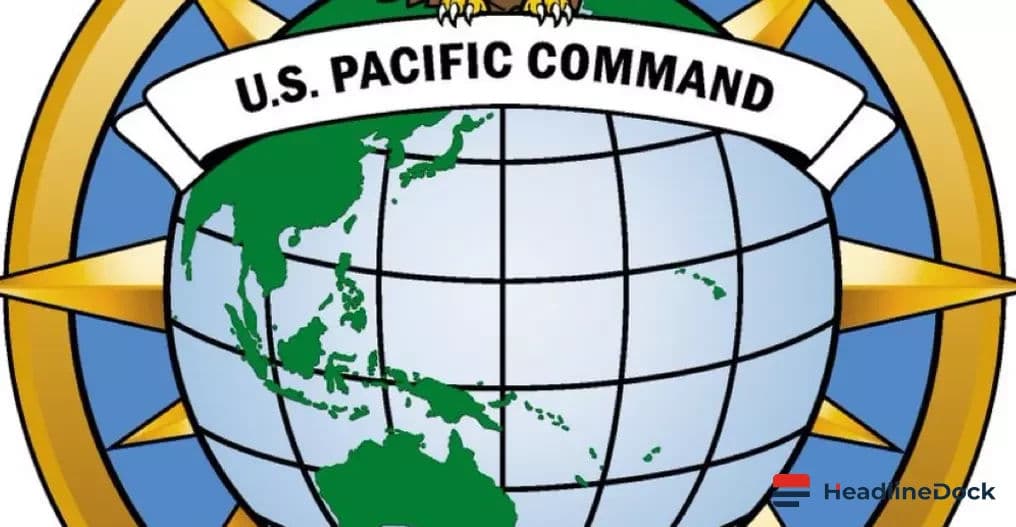
The US has officially renamed its Indo-Pacific Command back to the US Pacific Command, a move seen by analysts as a shift in geopolitical priorities amid evolving relations between Washington and New Delhi regarding regional security and China.
Highlights
- •The US has reverted its 'Indo-Pacific Command' back to the legacy 'US Pacific Command'.
- •The change reverses a 2018 update that had previously highlighted India's strategic importance.
- •Strategic analysts suggest the shift signals cooling relations between Washington and New Delhi.
- •The move is being evaluated in the context of broader US-China geopolitical competition.
In a move reflecting shifting global strategic priorities, the United States has officially reverted the name of its Indo-Pacific Command back to its historical designation, the US Pacific Command. This decision reverses a change implemented in 2018, which had introduced the term “Indo” to acknowledge the strategic significance of the Indian Ocean region and the evolving geopolitical importance of India. The Pentagon has characterized this reversion as a tribute to the deep historical roots and legacy of the unified command, which was originally established in 1947.
Strategic Implications and Global Relations
The restoration of the US Pacific Command has prompted significant discussion among strategic analysts regarding the underlying intent and the current state of international relations. The US combatant command structure comprises eleven distinct commands, with seven being geographically defined. The unified command in question serves as the largest and oldest of these, overseeing operations from the US West Coast to the western borders of India, managed by a force of over 375,000 personnel.
While officials from the United States maintain that the change in nomenclature does not alter operational missions or commitments to a free and open region, observers suggest it sends a clear message. The timing coincides with perceived challenges in the strategic partnership between India and the United States, particularly under the administration of President Donald Trump. Factors such as trade tariffs and visa policies have led to a cooler atmosphere in what was previously billed as a robust strategic alliance.
The China Factor and Geopolitical Shifts
A critical element in this development is the strategic posture toward China. As the military and economic divide between the United States and China narrows, global observers are closely monitoring how major powers navigate these evolving dynamics. Alliances such as the Quad, involving India, Japan, Australia, and the US, along with the AUKUS trilateral pact, were originally championed to ensure maritime security against regional pressures.
However, the effectiveness of these alliances remains a subject of intense debate. Without decisive action, critics argue these frameworks risk becoming merely symbolic, particularly as nations balance their interests against China and regional partners like Pakistan. For India, the current geopolitical environment underscores the necessity of prioritizing strategic autonomy. Moving forward, a balanced and self-respecting approach remains essential as India manages its relationships with various global powers while safeguarding its own national interests in an increasingly complex maritime and strategic landscape.