Ladakh Tightens Leh Airport Security Following Urgent IAF Concerns
The Ladakh administration is implementing stricter security measures at Leh airport to prevent unauthorized photography of sensitive defense zones. This initiative follows urgent concerns from the Indian Air Force regarding the potential security risks posed by viral social media content.
Highlights
- •Ladakh administration is tightening security at Leh airport following IAF concerns over social media posts.
- •Restricted areas, including runways and aircraft movements, have been improperly documented by visitors.
- •New protocols include stricter photography bans and surveys for obstacle removal near the airfield.
- •Construction and surveillance installations near the defense facility now require formal security clearances.
The Ladakh administration is taking decisive action to bolster Leh airport security following urgent warnings from the Indian Air Force (IAF). Military authorities expressed significant concern regarding the proliferation of images and videos capturing sensitive operational zones at the airfield, which are frequently shared across various social media platforms.
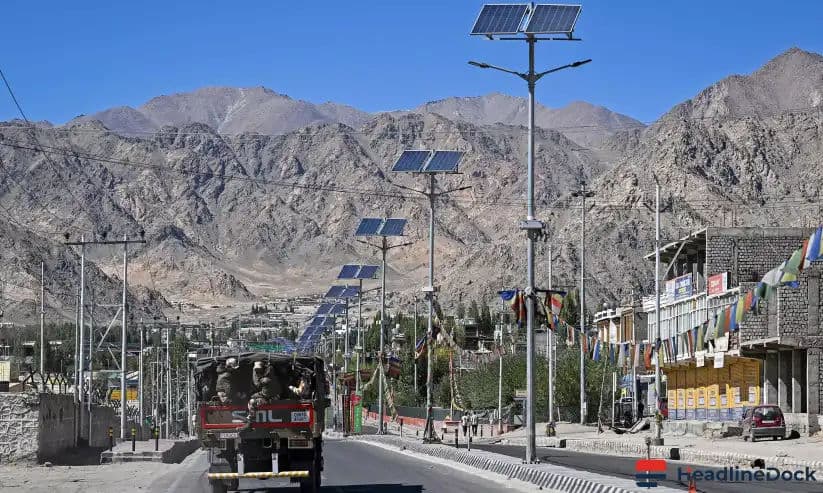
During a high-level interdepartmental meeting chaired by Nidhi Malik, Administrative Secretary of Ladakh’s Civil Aviation Department, officials reviewed pressing operational, safety, and security matters. The Air Force Station Leh serves as a vital defense installation, and its dual-use nature as a civil airport requires stringent protection, especially given its proximity to the Line of Actual Control (LAC).
Enhancing Protocols for Leh Airport Security
The IAF highlighted that visitors and tourists have been capturing and uploading footage of restricted areas, including runway layouts and aircraft movements. Such unauthorized documentation poses a severe security risk in the high-altitude border region. Consequently, Nidhi Malik has mandated stronger enforcement of existing bans on photography and videography near sensitive locations. The administration plans to roll out public awareness campaigns and establish clear standard operating procedures to curb unauthorized recording.
This initiative aims to strike a necessary balance between supporting tourism and local travel requirements and maintaining the high operational security standards required by the Air Force. The review also touched upon critical infrastructure projects, including discussions on a proposed second runway and the need for a scientific assessment regarding obstacle limitations to ensure airspace safety.
To facilitate these improvements, the Border Roads Organisation (BRO) and the Ladakh Revenue Department have been instructed to conduct detailed technical surveys. These agencies are expected to provide comprehensive recommendations concerning land-use regulations and the removal of physical obstructions that could impede flight safety. Furthermore, the installation of surveillance equipment, such as CCTV cameras, in areas overlooking defense establishments will now require strict clearance from competent authorities to ensure they comply with established security protocols.
The administration reiterated that all construction activities within designated aviation safety zones must strictly adhere to current regulations. By strengthening monitoring mechanisms, local authorities intend to prevent the emergence of unauthorized structures that could compromise both flight operations and national defense preparedness. These measures are designed to ensure that the strategic significance of the Leh airfield remains protected while safeguarding the privacy and operational details of essential defense assets in the frontier region.