Weather Whiplash: Why Extreme Climate Events Are Becoming Increasingly Interconnected
Weather whiplash—the rapid transition from heatwaves to floods—is becoming more frequent and widespread, according to historical climate data. These interconnected events pose severe challenges for infrastructure and disaster management in an increasingly volatile global climate.
Highlights
- •Weather whiplash involves rapid transitions from extreme heatwaves to heavy rainfall and flooding.
- •Data since 1910 shows these events are becoming more frequent and affecting larger areas.
- •Hot conditions create an unstable atmosphere that intensifies subsequent rainfall events.
- •Compounding weather extremes place significant stress on infrastructure and emergency response capacities.
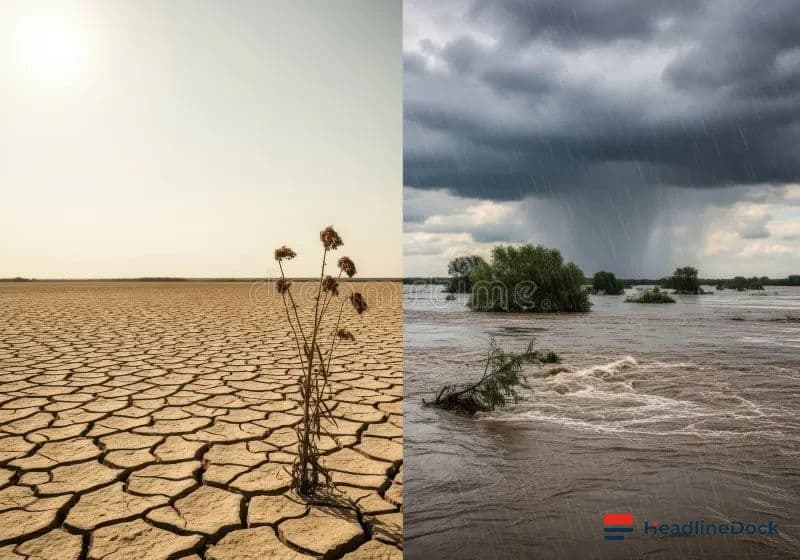
Modern climate patterns are showing a concerning shift, often referred to as weather whiplash. This phenomenon involves a rapid succession of extreme climate events, such as transitioning from a severe heatwave to intense storms and flooding within just a few days. Instead of experiencing isolated weather incidents, many regions now face back-to-back disasters that leave infrastructure and ecosystems struggling to recover.
Recent research analyzing climate data dating back to 1910 indicates that these weather whiplash events are not merely random occurrences. They are becoming increasingly frequent and affecting broader geographical areas compared to a century ago. This trend suggests that the world is moving toward a more volatile climate system where environmental hazards are becoming interconnected rather than occurring in isolation.
The Growing Impact of Weather Whiplash
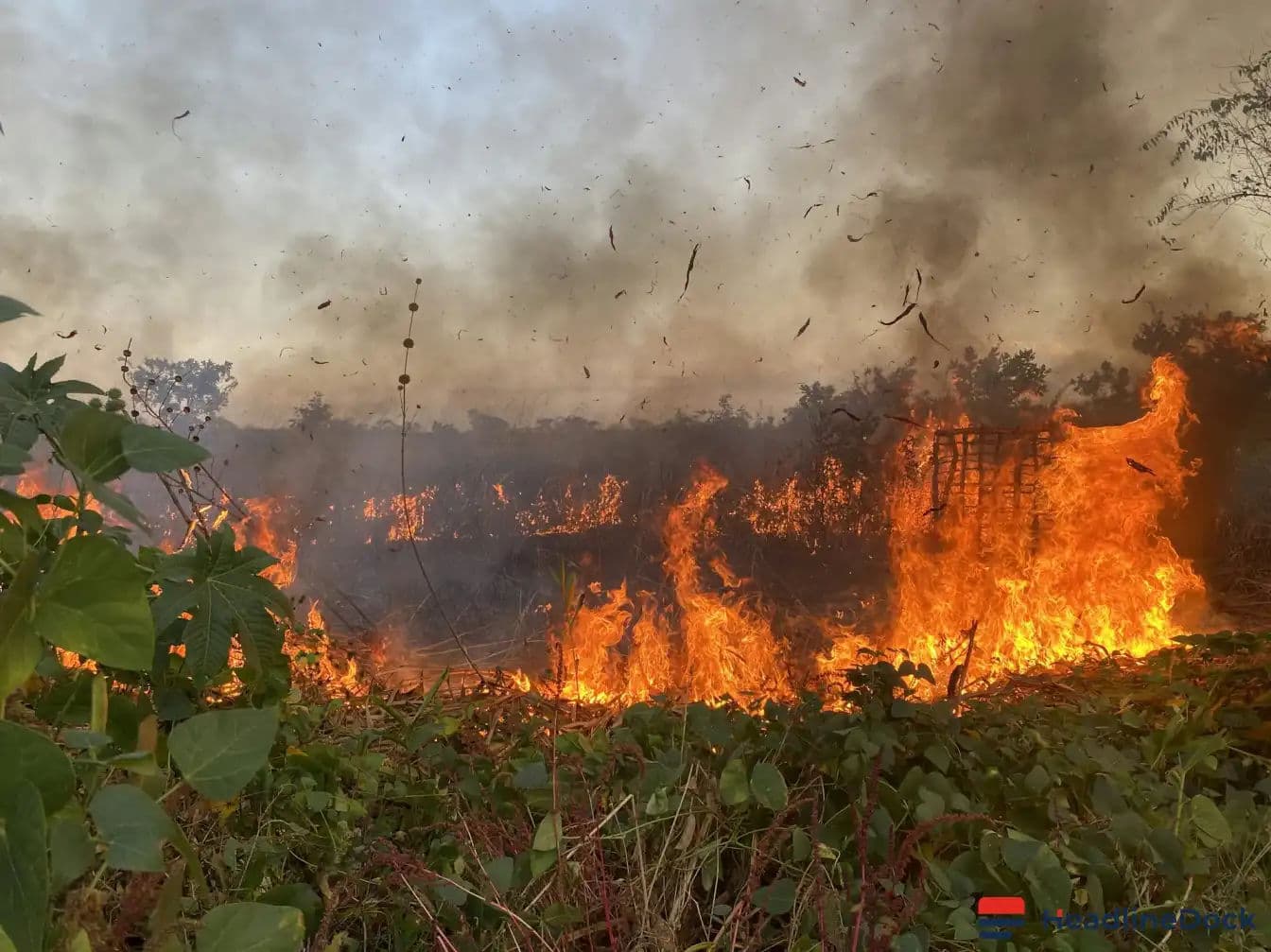
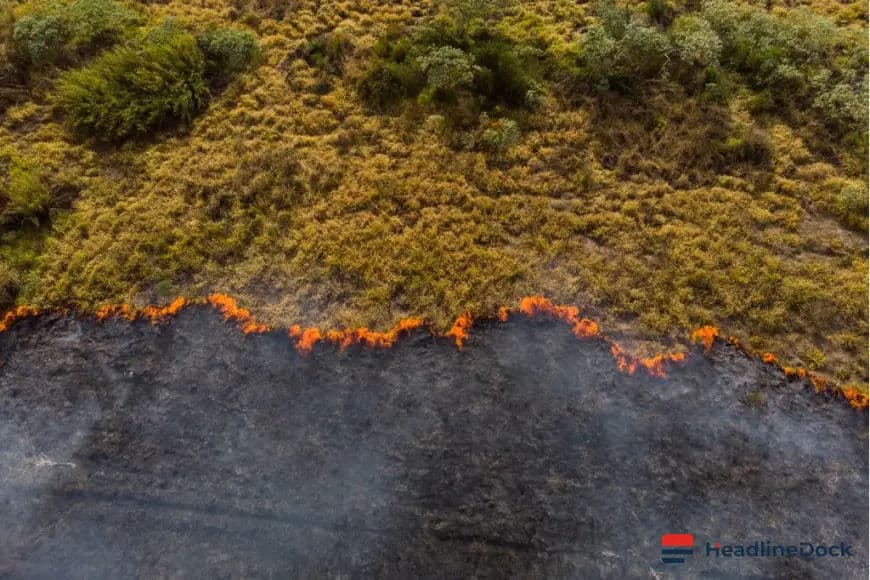
The study highlights Australia as a notable region affected by these climate shifts. In the Victorian Otways region, residents have witnessed the dramatic impact of this volatility, where extreme heat, fire, and flooding occurred within a single fortnight. The data confirms that south-eastern parts of the country are particularly vulnerable, with Southern Queensland recording a high frequency of these events due to coastal moisture being pushed inland.
The research emphasizes that weather whiplash creates compounding stress on local environments. Hot conditions allow the atmosphere to retain more moisture; consequently, when a high-pressure system is displaced by a low-pressure system, the resulting heavy rainfall is significantly more intense. Furthermore, land that has been parched and degraded by heat and fire is far more susceptible to catastrophic flooding when heavy precipitation finally arrives.
In northern parts of the country, such as Cairns and Darwin, the escalation of these events is primarily driven by more frequent and intense heatwaves, followed by a wetter overall climate. As these weather patterns become more widespread, the capacity of local governments to manage simultaneous hazards is increasingly tested. Understanding how these extremes interact is now essential for future climate preparedness, as the simple classification of individual weather events is no longer sufficient to address the complexities of an ever-warming planet.