WA Police Launch Facial Recognition Trial Amidst Growing Privacy and Legal Concerns
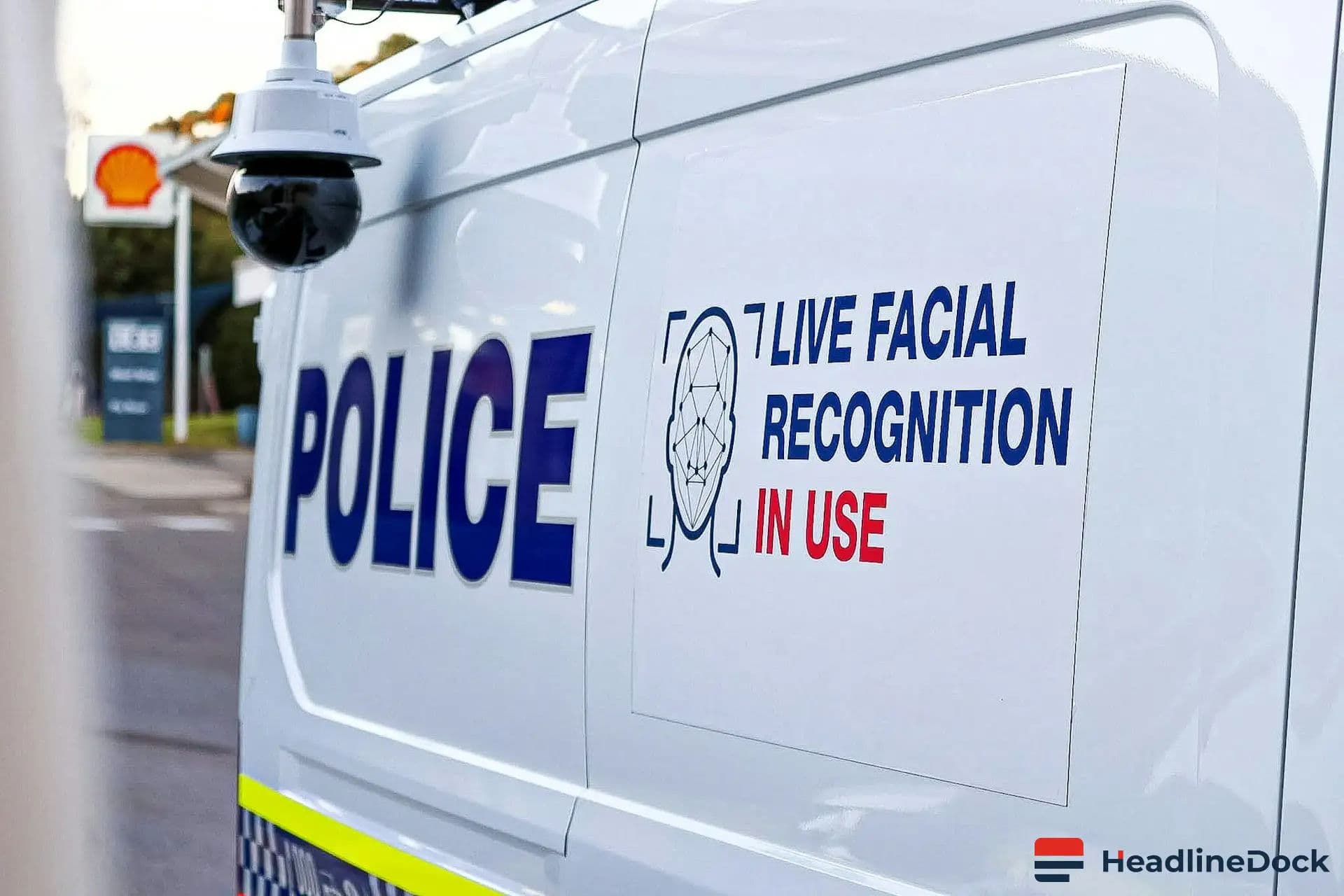
Western Australia police have begun a trial using live facial recognition technology in public spaces to track serious offenders. This move has ignited concerns about accuracy, bias, and the lack of a robust, unified legal framework to protect civil liberties during digital surveillance.
Highlights
- •WA police are testing live facial recognition technology mounted on vehicles.
- •The system cross-references passersby with a watchlist of 4,000 serious offenders.
- •Critics warn of risks regarding algorithmic bias, false positives, and privacy erosion.
- •Australia lacks specific federal laws to govern the use of AI in public surveillance.
Law enforcement officials in Western Australia have introduced a trial of live facial recognition technology mounted on patrol vehicles, marking a significant development for Australian policing. This system actively scans individuals in public spaces, comparing them against a watchlist containing approximately 4,000 names, including those with outstanding warrants, registered sex offenders, and reported missing persons. While authorities suggest this tool enhances community protection, the implementation has sparked debate regarding privacy and the absence of a comprehensive legal framework.
Evaluating Facial Recognition Technology Risks
The operational scope of this facial recognition technology is intended to assist in the swift identification of serious offenders. However, the system faces criticism over inherent limitations. Experts point to potential accuracy issues, noting that even advanced algorithms can produce false positives. With a 90% accuracy rate, there remains a notable statistical margin for error, which could lead to unnecessary police interventions or wrongful questioning of innocent citizens.
Furthermore, concerns regarding algorithmic bias remain prominent. Systems trained on datasets that lack diverse human representation may perform less effectively for specific demographic groups. In the Australian context, advocates fear this could exacerbate existing disparities in incarceration rates. Additionally, the risk of "automation bias"—where officers might overly rely on software outputs—raises questions about the preservation of human oversight in law enforcement procedures.
Legal and Governance Challenges
A critical point of contention is whether current Australian law is prepared for the rapid deployment of such sophisticated surveillance. The Privacy Act typically offers high-level protections for biometric data, but law enforcement agencies operate under different guidelines. Under Australian Privacy Principle 3, police can collect sensitive information without individual consent if it is deemed necessary for lawful investigations, leaving the public with fewer protections than they might have in private sector interactions.
Responsible governance for this initiative remains an open question. At present, Australia lacks specific federal legislation dedicated to regulating the use of AI and biometric data in public surveillance. While the WA police are addressing legitimate community safety objectives, the current rollout highlights a broader deficiency in national oversight. Without clear, binding standards—including independent audits for accuracy and defined limitations on how watchlist data is utilized—critics argue that this trial functions as a poorly regulated experiment in public spaces. As other jurisdictions observe the Western Australia program, the demand for a robust legal structure that balances civil liberties with security measures continues to intensify.