US Launches Targeted Strikes on Iran After Tanker Hit in Hormuz
Following an Iranian drone attack on the oil tanker Kiku in the Strait of Hormuz, the US military launched retaliatory strikes against multiple Iranian military targets. The escalation has severely strained the existing ceasefire, causing significant instability in the critical maritime region.
Highlights
- •The US military conducted targeted strikes against multiple Iranian military infrastructure sites.
- •Operations were directed by President Donald Trump following an attack on the tanker Kiku.
- •Targeted assets included drone storage, surveillance, communications, and air defense systems.
- •Local reports confirm explosions near the Strait of Hormuz amid rising regional tensions.
The United States military has initiated a series of strikes targeting multiple locations within Iran. This decisive action, executed under the direct orders of President Donald Trump, follows a volatile attack on a merchant vessel earlier on Saturday. The strikes mark a significant escalation, further straining an already fragile ceasefire in the region.
According to an official statement from US Central Command, American military aircraft were deployed to neutralize critical Iranian assets. The targeted infrastructure included surveillance systems, communication networks, air defense sites, drone storage facilities, and minelayer capabilities. These maneuvers are seen as a strategic response to the aggressive actions directed against commercial shipping vessels operating in the vital Strait of Hormuz.
Escalating Tensions in the Strait of Hormuz
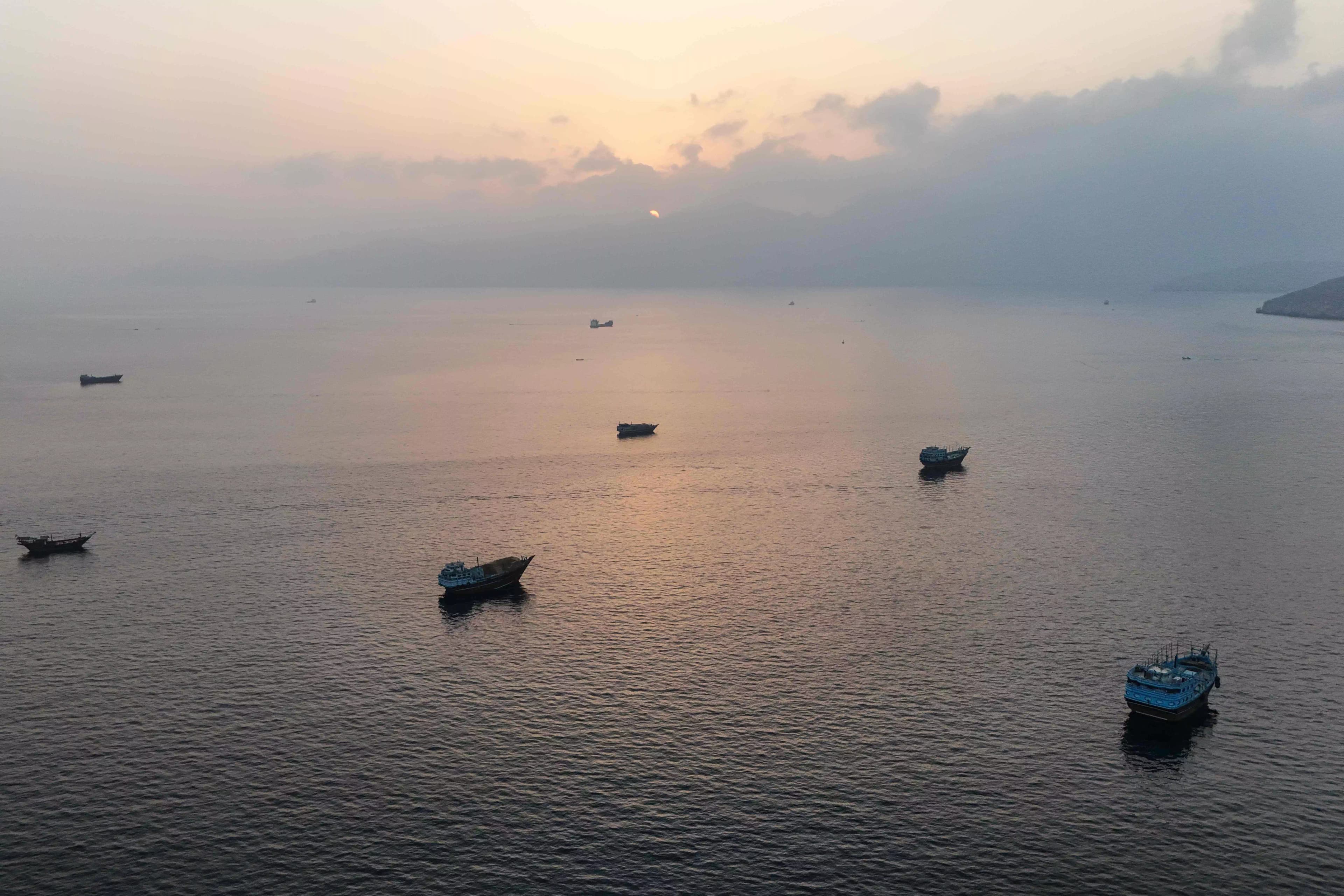
The situation in the Strait of Hormuz has become increasingly precarious, characterized by a rapid cycle of retaliatory actions. Just days prior to Saturday’s engagement, a similar confrontation occurred when an Iranian drone targeted a merchant ship off the coast of Oman. The United States responded to that initial aggression with strikes the following day, illustrating a continuous pattern of rising maritime insecurity.
The specific incident that triggered the latest US strikes involved the oil tanker Kiku. Reports indicate that the vessel, which was transporting over two million barrels of crude oil, was attacked by Iranian forces utilizing a one-way drone. Despite the existence of a ceasefire agreement, the United States military asserted that Iran chose to ignore the terms of the accord, necessitating an immediate and targeted response from American forces.
The impact of this latest surge in hostilities is being felt across the region. Local media outlets in Iran have reported hearing multiple explosions in areas situated just north of the Strait of Hormuz. As the conflict intensifies, international observers remain concerned about the potential for further disruption to global energy transport routes and the broader implications for stability in the Middle East. Both nations are currently engaged in a high-stakes standoff, with military postures remaining elevated following the recent exchanges. The world continues to watch as the situation unfolds, with the stability of the Strait of Hormuz remaining a primary focus of international diplomacy and security concerns.